• Who We Are
    • Who We Are
    • Our Mission in Action
    • History
    • Chapters
    • Leadership & Staff
    • Press
    • Sponsors & Partners
    • Contact Us
  • What We Do
    • What We Do
    • Programs & Events
    • Education
      • Education Overview
      • Internship Opportunities
      • Apply Now
    • Preservation
      • Preservation Overview
      • Grant Projects
  • Support Us
    • Support Us
    • Donate Now
    • Support a Project
    • Membership
    • Planned Giving
    • Corporate Sponsorship
  • Skip to table of contents
  • Skip to main content
  • Skip to footer
French Heritage Society

French Heritage Society

Preserving our historic treasures to inspire future generations

  • Who We Are
    • Who We Are
    • Our Mission in Action
    • History
    • Chapters
    • Leadership & Staff
    • Press
    • Sponsors & Partners
    • Contact Us
  • What We Do
    • What We Do
    • Programs & Events
    • Education
      • Education Overview
      • Internship Opportunities
      • Apply Now
    • Preservation
      • Preservation Overview
      • Grant Projects
  • Support Us
    • Support Us
    • Donate Now
    • Support a Project
    • Membership
    • Planned Giving
    • Corporate Sponsorship
  • Who We Are
    • Who We Are
    • Our Mission in Action
    • History
    • Chapters
    • Leadership & Staff
    • Press
    • Sponsors & Partners
    • Contact Us
  • What We Do
    • What We Do
    • Programs & Events
    • Education
      • Education Overview
      • Internship Opportunities
      • Apply Now
    • Preservation
      • Preservation Overview
      • Grant Projects
  • Support Us
    • Support Us
    • Donate Now
    • Support a Project
    • Membership
    • Planned Giving
    • Corporate Sponsorship

Learn More

United States

Cultural Services of French Embassy

Apr 16, 2025

Cultural Services of French Embassy

April 16, 2025

Jean Hasbrouck House

Apr 16, 2025

Jean Hasbrouck House

April 16, 2025

Fort Ticonderoga

Apr 16, 2025

Fort Ticonderoga

April 16, 2025

Drayton Hall

Apr 16, 2025

Drayton Hall

April 16, 2025

Apotheosis of Saint Louis

Apr 16, 2025

Apotheosis of Saint Louis

April 16, 2025

The Silversmith House

Apr 16, 2025

The Silversmith House

April 16, 2025

Please Touch Museum

Apr 16, 2025

Please Touch Museum

April 16, 2025

Lyndhurst estate

Apr 15, 2025

Lyndhurst estate

April 15, 2025

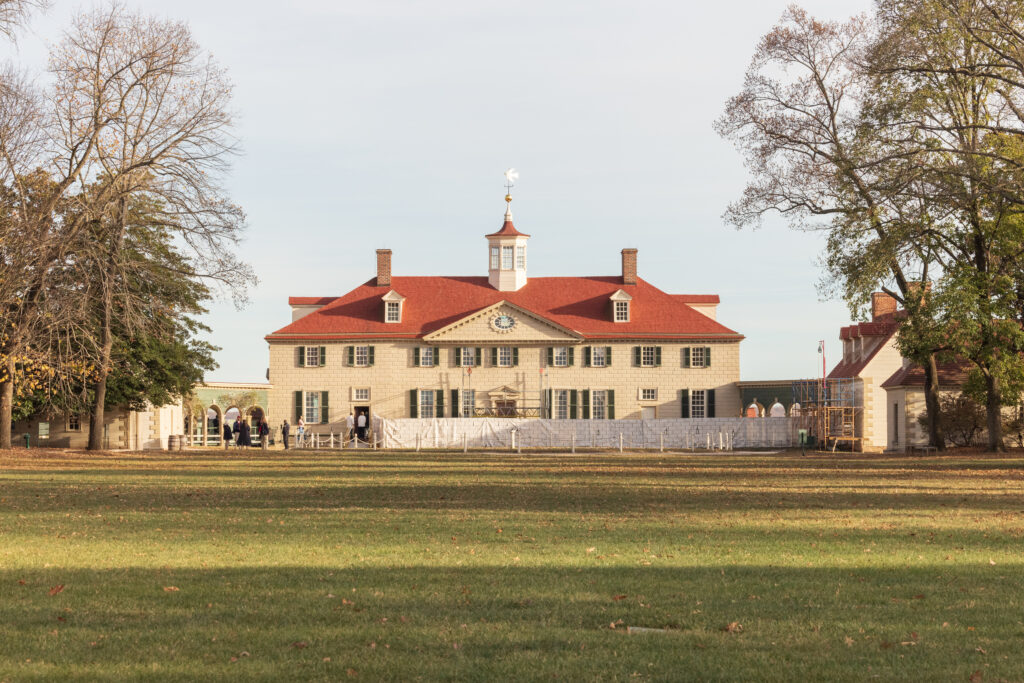
George Washington’s Mount Vernon

Apr 2, 2025
The home of America’s first president, George Washington’s Mount Vernon estate is one of the country’s most popular historic sites. Site History George Washington’s father began building the mansion at Mount Vernon in 1734. George Washington took over the estate in 1754 and enlarged the mansion over the next half decade. In the fall of […]

George Washington’s Mount Vernon

April 2, 2025

The home of America’s first president, George Washington’s Mount Vernon estate is one of the country’s most popular historic sites.

Site History

George Washington’s father began building the mansion at Mount Vernon in 1734. George Washington took over the estate in 1754 and enlarged the mansion over the next half decade. In the fall of 1784, the Marquis de Lafayette visited Mount Vernon, the home of his close friend and ally. A significant figure in French heritage, Lafayette played an important role in the history of the United States. Long after Lafayette’s visit, the Washington family continued to associate the room he stayed in with the hero of the American Revolutionary War. In this respect, the room became the first space in America to celebrate Lafayette’s memory and, by extension, that of the Franco-American Alliance. The comparatively modest Small Room dates to the initial construction of the house, though its current state reflects significant changes.

About the Project

Numerous restorations of the Lafayette Room and Small Room have taken place since the Mount Vernon Ladies’ Association opened the estate to the public in 1860, with the most recent restoration completed some 30 years ago. The grant from French Heritage Society will cover the costs associated with the selection of period-appropriate wallpaper, the commission of the creation of reproduction wallpaper and the hanging of the wallpaper. This extensive restoration of the Lafayette Room and Small Room is part of Mount Vernon’s effort to emphasize the Franco-American relationship and ensure that the second floor of the mansion is preserved and interpreted to reflect the latest research into its appearance in 1799, the last year of Washington’s life.

Mount Vernon Today

A touchstone of American civic and national identity, Washington’s home is one of the most visited historic sites in the United States. It welcomes more than a million annual visitors, including some 350,000 students. The mansion comprises 21 rooms, which have been beautifully interpreted for the benefit of the public. 
Village of Bourbonnais

Apr 2, 2025
Established in the 1830s, Bourbonnais is part of the French Heritage Corridor, an area rich in French history and heritage.  Site History The Bourbonnais Grove settlement is named for Francois Bourbonnais Sr., a French-Canadian fur trader who traded with the Potawatomi people. French-Canadian fur trader Noel LeVasseur established his trading post in the settlement in […]

Village of Bourbonnais

April 2, 2025

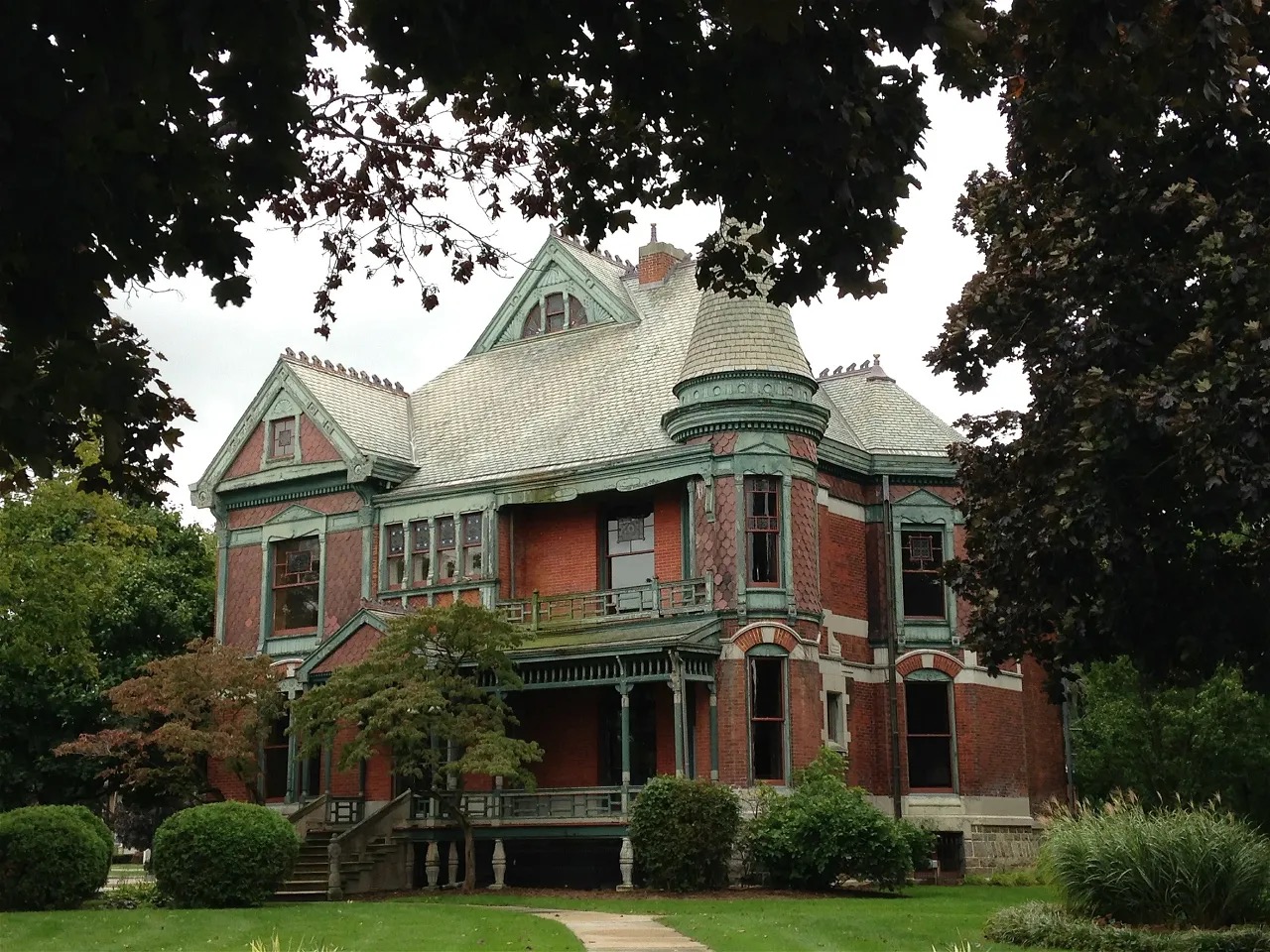
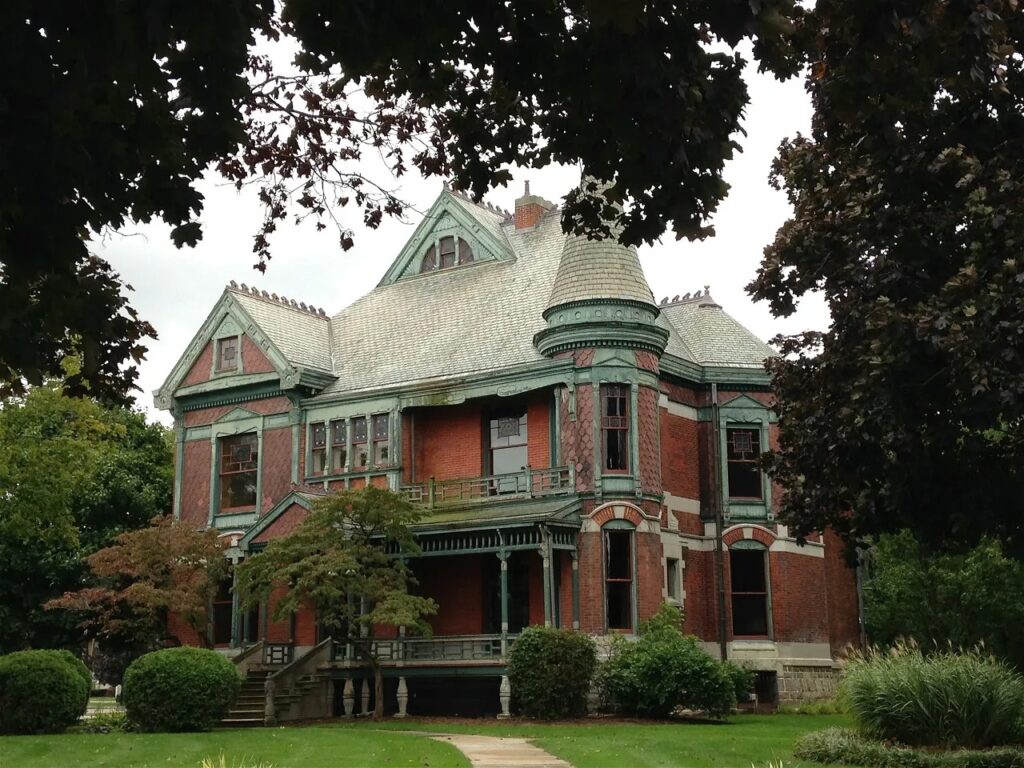
Established in the 1830s, Bourbonnais is part of the French Heritage Corridor, an area rich in French history and heritage. 

Site History

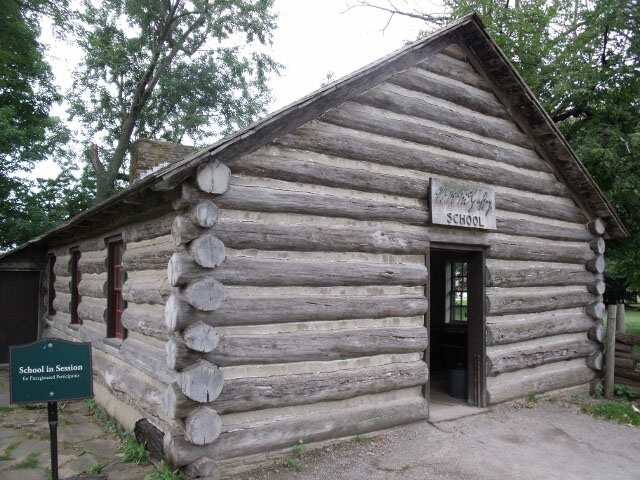
The Bourbonnais Grove settlement is named for Francois Bourbonnais Sr., a French-Canadian fur trader who traded with the Potawatomi people. French-Canadian fur trader Noel LeVasseur established his trading post in the settlement in 1835, creating a meeting and focal point for the new community. In 1837, a log schoolhouse was built. That year, LeVasseur traveled to his native Quebec to recruit more French Canadians to the settlement. Due to political, economic, religious and agricultural problems at home, many of the Quebecois made the journey to northeastern Illinois, to what would become part of the French Heritage Corridor. By 1847, when the settlement’s future first mayor arrived, there were 77 French-Canadian families residing in Bourbonnais Grove. French culture was prevalent in the corridor, and French was the primary language until the 1960s. The log schoolhouse, once rebuilt, will attest to the historic French presence there.

About the Project

The project will rebuild Kankakee River Valley’s first log schoolhouse (1837–1848), one of the oldest structures in northeastern Illinois. The original one-room log schoolhouse was located at 493 South Main Street, Bourbonnais. In 2011, the original log schoolhouse was demolished, along with part of the house built around it, known until recently as the Marcotte House. In the course of demolition, 60% of the original logs were removed and stored; they will be used for this project. The log schoolhouse will be rebuilt on the Adrien M. Richard Heritage Preserve, just west of the Letourneau Home/Museum in Bourbonnais.

The Village of Bourbonnais Today

The Village of Bourbonnais is a growing community of more than 18,000 residents. The home of George Letourneau, the inaugural Mayor of Bourbonnais, now houses the Bourbonnais Grove Historical Society, which works to preserve the history and French-Canadian heritage of the village.

William Vernon House

Apr 2, 2025
One of the most important buildings in Newport, the Georgian-style Vernon House hosted major historical figures and played a key role during the American Revolution. Site History The William Vernon House is one of the most important buildings in Newport due to its history and its architecture. Its origins date to 1713, when the noted […]

William Vernon House

April 2, 2025

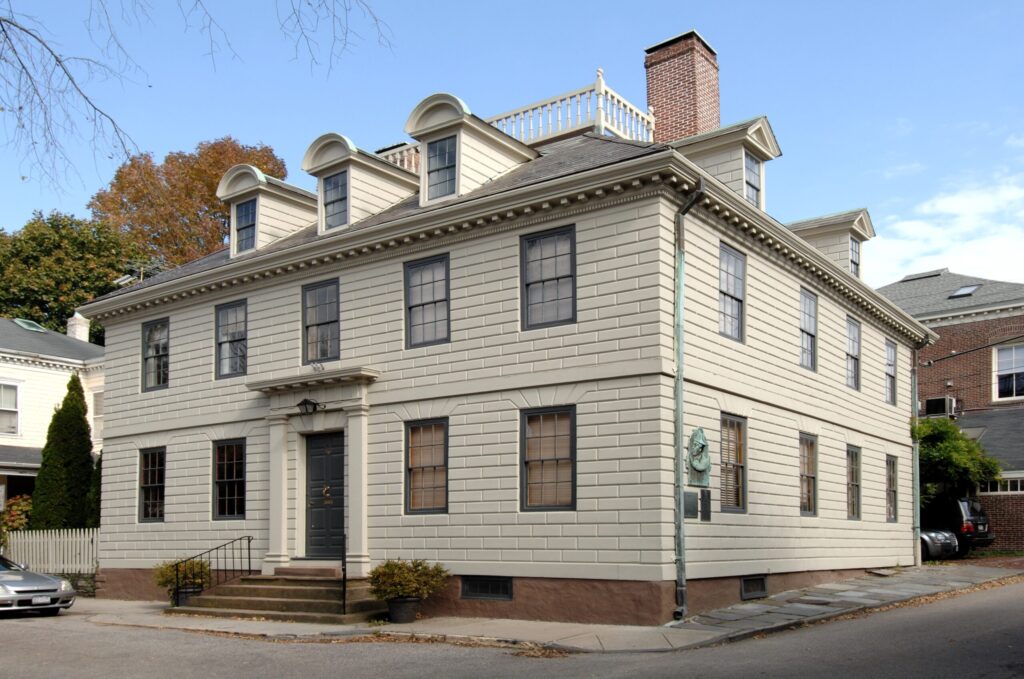
One of the most important buildings in Newport, the Georgian-style Vernon House hosted major historical figures and played a key role during the American Revolution.

Site History

The William Vernon House is one of the most important buildings in Newport due to its history and its architecture. Its origins date to 1713, when the noted painter William Gibbs first constructed a dwelling on the site. In 1760, Newport merchant Metcalf Bowler transformed the home into the structure that stands today. William Vernon, for whom the house is named, purchased it in 1774. 

The house is one of four surviving 18th-century Newport buildings with rusticated siding, and one of the finest examples of the formal Georgian style of architecture. It played a critical role during the American Revolution, serving as the headquarters for the Commander in Chief of the French forces, Comte de Rochambeau. Important historical figures like George Washington and the Marquis de Lafayette spent time there.

About the Project

This project will repair the first-floor structural framing, which shows signs of its age. A significant portion of the framing, as observed from the basement, has been structurally compromised by wood rot and wood-boring insects. Several joists and portions of timbers have also been trimmed or notched by electricians or plumbers. The first-floor framing should be increased to allow a capacity of 100 pounds per square foot. In 2017, the Vernon House received an FHS restoration grant in the amount of $13,000, which was supported by the New York Chapter.

William Vernon House Today

In November 2009, the William Vernon House was formally donated to the Newport Restoration Foundation. Tours are provided to small groups of historians, preservationists, grant funders, individual donors, and colleagues from museums and cultural sites. Students from Rhode Island universities and high schools are welcome to tour the house as well.

Fort St. Joseph

Feb 11, 2025
Built by the French at the end of the 17th century, Fort St. Joseph is a vital source of information about trade in La Nouvelle France. Site History & Significance Fort St. Joseph is a former mission, trading post and garrison built by the French in 1691. Located on the banks of the St. Joseph […]

Fort St. Joseph

February 11, 2025

Built by the French at the end of the 17th century, Fort St. Joseph is a vital source of information about trade in La Nouvelle France.

Site History & Significance

Fort St. Joseph is a former mission, trading post and garrison built by the French in 1691. Located on the banks of the St. Joseph River near the present-day city of Niles, it remained under French rule until 1761, when the British took control following the Seven Years’ War. By the mid-18th century, the fort ranked fourth in volume of furs traded among all posts inLa Nouvelle France. Its interpretation is vital for learning about the extensive trade networks and operations of New France.

About the Restoration Project

The City of Niles is seeking a grant in the amount of $5,000 to match funds for the conservation and display of iron hardware recovered from Fort St. Joseph, encompassing keys and escutcheons; strap hinges; hasp locks and padlocks; hinges and pintles; door, gate and shutter hooks; door latch bars; and lock bolts. The conserved artifacts will be displayed on a reproduction door built in the French Colonial style typical of the buildings that would have been found at the fort. The project will consist of three phases: artifact conservation, display, and exhibition.

Fort St. Joseph Today

Since 1998, the Fort St. Joseph Archaeological Project, a joint venture of the City of Niles, Western Michigan University and Support the Fort Inc., has conducted excavations at the site. No maps or plans of the fort are known to exist, and since few historical documents describe the post, artifacts recovered through archaeology are the main source of information in learning what it looked like. To date, six structures, each approximately 16 by 20 feet, have been identified as residences for fur traders. Evidence of structural stone and remains of wooden posts—both poteaux en terre (posts in ground) and poteaux sur sole (posts on sill)—suggests typical French colonial construction.

  • « Go to Previous Page
  • Page 1
  • Interim pages omitted …
  • Page 3
  • Page 4
  • Page 5

Footer

French Heritage Society

New York

14 East 60th Street
Suite 605
New York, NY 10022
+1 (212) 759-6846
fhs@frenchheritagesociety.org

Contact Us

Paris

7 Rue Lincoln
75008 Paris, France
+33 (0) 1 40 70 07 57
contact@frenchheritagesociety.org

Donate

Support Our Mission

By joining French Heritage Society as a member, you help make our restoration work and educational programs possible.

Subscribe to our Newsletter

Privacy Policy
Copyright © 2026 · French Heritage Society · All Rights Reserved