• Who We Are
    • Who We Are
    • Our Mission in Action
    • History
    • Chapters
    • Leadership & Staff
    • Press
    • Sponsors & Partners
    • Contact Us
  • What We Do
    • What We Do
    • Programs & Events
    • Education
      • Education Overview
      • Internship Opportunities
      • Apply Now
    • Preservation
      • Preservation Overview
      • Grant Projects
  • Support Us
    • Support Us
    • Donate Now
    • Support a Project
    • Membership
    • Planned Giving
    • Corporate Sponsorship
  • Skip to table of contents
  • Skip to main content
  • Skip to footer
French Heritage Society

French Heritage Society

Preserving our historic treasures to inspire future generations

  • Who We Are
    • Who We Are
    • Our Mission in Action
    • History
    • Chapters
    • Leadership & Staff
    • Press
    • Sponsors & Partners
    • Contact Us
  • What We Do
    • What We Do
    • Programs & Events
    • Education
      • Education Overview
      • Internship Opportunities
      • Apply Now
    • Preservation
      • Preservation Overview
      • Grant Projects
  • Support Us
    • Support Us
    • Donate Now
    • Support a Project
    • Membership
    • Planned Giving
    • Corporate Sponsorship
  • Who We Are
    • Who We Are
    • Our Mission in Action
    • History
    • Chapters
    • Leadership & Staff
    • Press
    • Sponsors & Partners
    • Contact Us
  • What We Do
    • What We Do
    • Programs & Events
    • Education
      • Education Overview
      • Internship Opportunities
      • Apply Now
    • Preservation
      • Preservation Overview
      • Grant Projects
  • Support Us
    • Support Us
    • Donate Now
    • Support a Project
    • Membership
    • Planned Giving
    • Corporate Sponsorship

Learn More

France

Château de Quintin

Apr 16, 2025

Château de Quintin

April 16, 2025

Château de la Grange

Apr 16, 2025

Château de la Grange

April 16, 2025

Château de la Chipaudière

Apr 16, 2025

Château de la Chipaudière

April 16, 2025

Château de Commarque

Apr 16, 2025

Château de Commarque

April 16, 2025

Château de Callac

Apr 16, 2025

Château de Callac

April 16, 2025

Château de Chambord

Apr 15, 2025

Château de Chambord

April 15, 2025

Château de Vaux-le-Vicomte

Apr 15, 2025

Château de Vaux-le-Vicomte

April 15, 2025

Abbaye des Prémontrés

Apr 15, 2025

Abbaye des Prémontrés

April 15, 2025

Cloister of the Chartreux Toulouse

Apr 15, 2025

Cloister of the Chartreux Toulouse

April 15, 2025

Château-Thierry Church

Apr 15, 2025

Château-Thierry Church

April 15, 2025

Château d’Entre Deux-Monts park

Apr 15, 2025

Château d’Entre Deux-Monts park

April 15, 2025

St Victor d’Oulès Garden

Apr 15, 2025

St Victor d’Oulès Garden

April 15, 2025

Château de Saconay

Apr 15, 2025

Château de Saconay

April 15, 2025

Château de Morlet

Apr 15, 2025

Château de Morlet

April 15, 2025

Château de Grisy

Apr 15, 2025

Château de Grisy

April 15, 2025

Prieuré du Bourget du Lac

Apr 15, 2025
The only Cluniac site in Savoie and Haute-Savoie, the Prieuré du Bourget-du-Lac is renowned for its magnificent Gothic cloister. Site History The Priory of Bourget-du-Lac was built around 1030 for the monks of Cluny. It was placed under the protection of the Counts of Savoy, who contributed greatly to the priory’s wealth. Rebuilt in the […]

Prieuré du Bourget du Lac

April 15, 2025

The only Cluniac site in Savoie and Haute-Savoie, the Prieuré du Bourget-du-Lac is renowned for its magnificent Gothic cloister.

Site History

The Priory of Bourget-du-Lac was built around 1030 for the monks of Cluny. It was placed under the protection of the Counts of Savoy, who contributed greatly to the priory’s wealth. Rebuilt in the 13th century and restored in the 15th century, the priory is particularly renowned for its magnificent Gothic cloister. The site as a whole attests to great architectural and artistic richness, both inside and out.

Jesuits replaced the monks of Cluny in 1773, after which Franciscans briefly occupied the priory. Sold as national property during the French Revolution, it passed into the hands of several successive owners. Following its acquisition by an art lover who sold it to the Duchess of Choiseul in 1915, the estate was purchased by the city of Le Bourget-du-Lac in 1952. The priory is under consideration to be classified as a UNESCO World Heritage Site in conjunction with the European Federation of Cluniac Sites. It is the only Cluniac site in Savoie and Haute-Savoie.

About the Project

The current restoration project, for which preliminary studies are underway, concerns the roof of the priory complex. Work will begin in late 2023 and last throughout 2024. This is the initial phase of a broader restoration campaign for the site, which will take place from 2026 to 2029 in preparation for the millennium of the priory in 2030.

The Priory Today

As part of the effort to bring this magical place to life by preserving and enhancing it, the municipality organizes tours of the cloister, the refectory, the kitchen and its 15th-century fireplace, the library with its Cordoba leather ceiling (thanks to the Duchess de Choiseul) and the Saint-Claude Chapel. The priory also holds numerous artistic, cultural and social events. The refectory and kitchen host exhibitions, conferences and meetings, while the vaulted library hosts weddings. In the summer, young prodigies fill the medieval cloister with classical music. Other events include the annual Christmas market and garden parties.

The priory is anchored in history by the architectural, historical and symbolic richness of belonging to the network of Cluniac sites, which for several centuries radiated throughout Europe. The support of the European Federation of Cluniac Sites for its candidacy as a UNESCO World Heritage Site presents an exceptional opportunity for the future of the town while highlighting and honoring its history, which spans nearly 1,000 years.
Château du Clos de Vougeot

Apr 8, 2025
An exceptional historic monument in the heart of Nuits Saint-Georges vineyards, the Château du Clos Vougeot is both a testament to the region’s winemaking heritage and one of the most prestigious tables d’hôte in France.  Site HistoryThe origins of the Château du Clos de Vougeot date back to the 12th century, when the monks of […]

Château du Clos de Vougeot

April 8, 2025

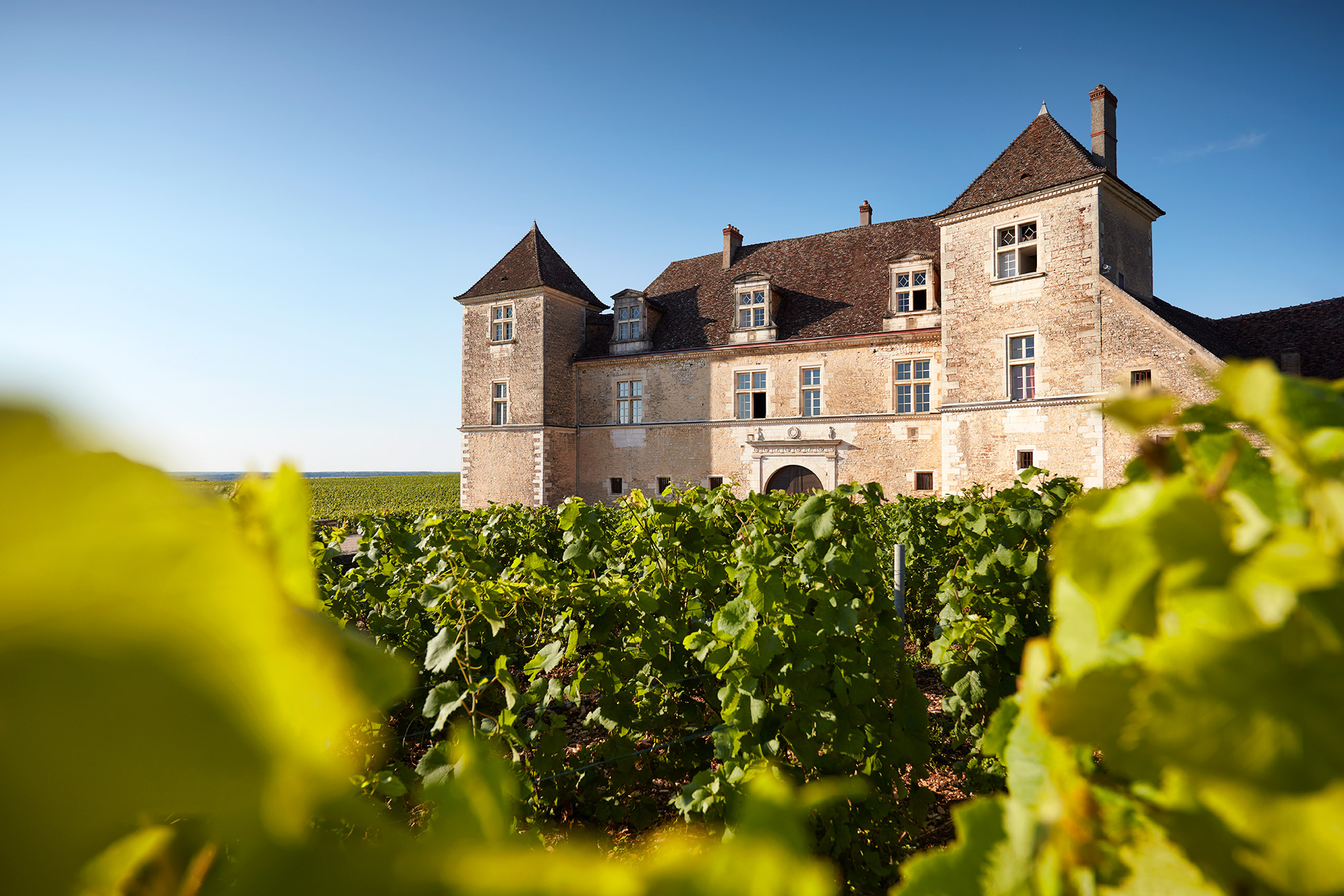
An exceptional historic monument in the heart of Nuits Saint-Georges vineyards, the Château du Clos Vougeot is both a testament to the region’s winemaking heritage and one of the most prestigious tables d’hôte in France. 

Site History
The origins of the Château du Clos de Vougeot date back to the 12th century, when the monks of Cîteaux built the cellar and winery to support Burgundy’s growing viticultural tradition. The château itself, a Renaissance-style mansion with square towers, was constructed in 1551 by Dom Jean Loisier, the 48th Abbot of Cîteaux. In the late 19th century, Léonce Bocquet acquired the château and restored it in keeping with the architectural styles of the time.

During World War II, the château suffered significant damage. In 1944, it was entrusted to the young Confrérie des Chevaliers du Tastevin, which undertook its restoration, preserving its cultural and historical significance. Listed as a historic monument in 1949, the château has since become an iconic site for wine culture and hospitality.

About the Project
The first phase of restoration efforts focused on consolidating the château’s northeast tower, which overlooks the vineyard slopes toward Dijon. Built in 1551, the tower comprises three floors: a vaulted room on the ground floor, a chapel on the second floor and an attic chamber with an antechamber on the third.

The current phase centers on the château’s historic chapel, which features remarkable 19th-century wall paintings and architectural details. The project includes structural conservation, preservation of the unique wall paintings depicting the coats of arms of the daughters and the abbots of Cîteaux, and the restoration of the Renaissance-style floral keystone. A key objective is the reinstallation of the Saint Vincent stained-glass window, a significant artistic and religious element of the space.

Château du Clos Vougeot Today
Thanks to the prestige of the Chevaliers du Tastevin, the château has become a symbol of French hospitality, hosting renowned wine events and gatherings. It welcomes visitors from around the world eager to explore its rich history and viticultural legacy. La Table de Léonce, named for the man responsible for the château’s 19th-century restoration, offers a tasting lunch with paired wines. 

Since 2015, the Château du Clos de Vougeot has served as the headquarters of the Climats du vignoble de Bourgogne, a UNESCO World Heritage Site that exemplifies the unique wine-growing practices of the region. The ongoing restoration efforts ensure that this remarkable monument will continue to celebrate Burgundy’s heritage for generations to come.

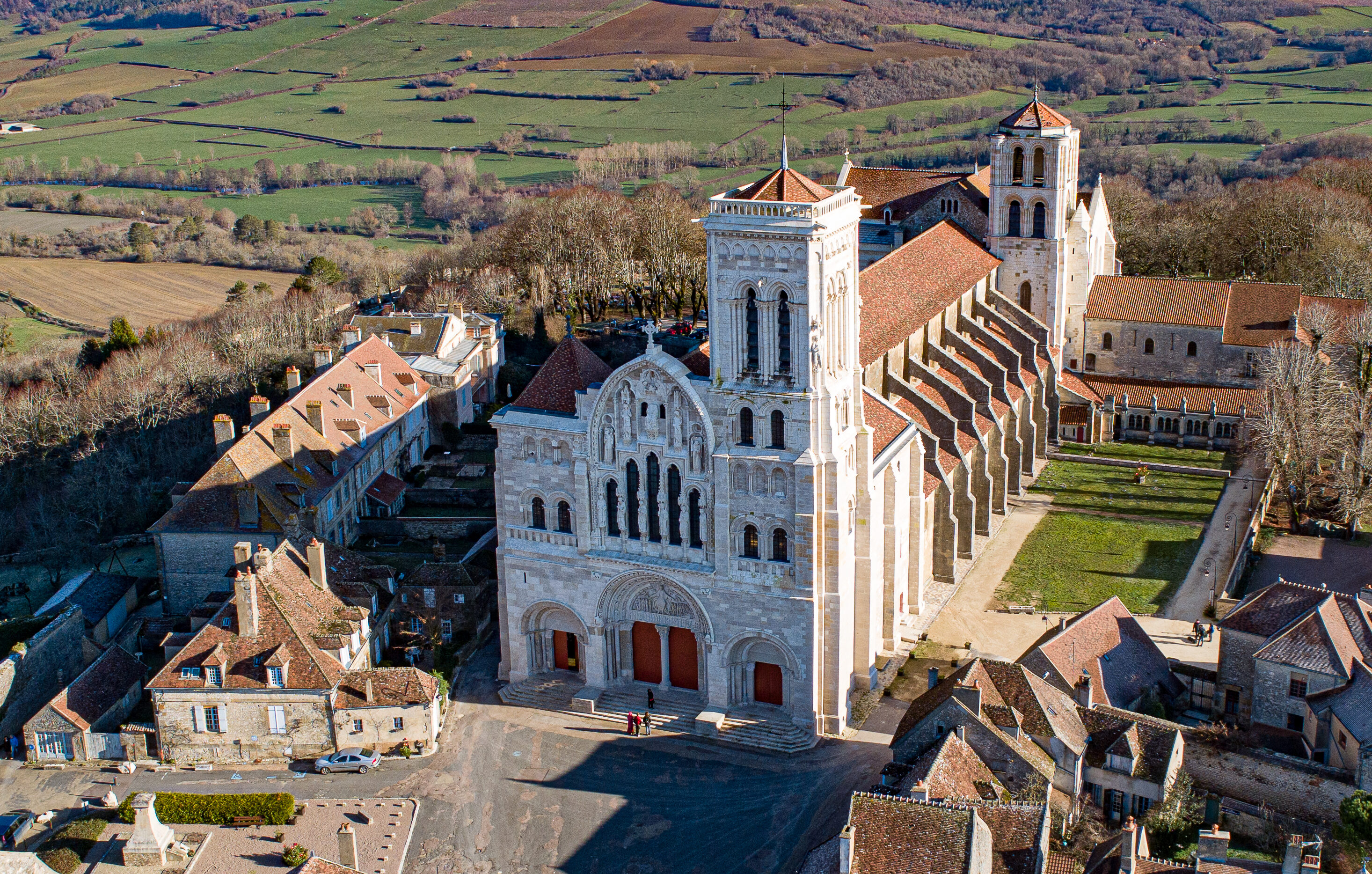
Basilique de Vézelay

Apr 7, 2025
A masterpiece of Romanesque architecture and a UNESCO World Heritage Site, the Basilique Sainte-Marie-Madeleine de Vézelay has been a major pilgrimage destination since the Middle Ages, welcoming visitors from around the world. Site HistoryFounded in the 9th century as a Benedictine abbey, the Basilica of Vézelay played a key role in medieval pilgrimage routes, particularly […]

Basilique de Vézelay

April 7, 2025

A masterpiece of Romanesque architecture and a UNESCO World Heritage Site, the Basilique Sainte-Marie-Madeleine de Vézelay has been a major pilgrimage destination since the Middle Ages, welcoming visitors from around the world.

Site History
Founded in the 9th century as a Benedictine abbey, the Basilica of Vézelay played a key role in medieval pilgrimage routes, particularly as a departure point for the Camino de Santiago. Rebuilt in the 12th century, the basilica is renowned for its harmonious Romanesque design, remarkable tympanum and intricately carved capitals depicting biblical scenes.

Situated atop the hill of Vézelay, the basilica has long been a spiritual and cultural landmark. It has witnessed significant historical events, including the preaching of the Second Crusade by Saint Bernard of Clairvaux in 1146. Over the centuries, it faced periods of decline, leading to major restorations in the 19th century under the direction of architect Eugène Viollet-le-Duc, who helped revive its grandeur.

About the Project
The current restoration phase focuses on restoring two interior bays and five exterior bays of the nave and side aisles. Conservation efforts include:

  • Stone restoration: Repairing damaged limestone blocks and reinforcing weakened walls.
  • Sculptural preservation: Cleaning and stabilizing the intricate capitals and reliefs that adorn the nave’s columns to address erosion.
  • Structural reinforcement: Strengthening the foundation and vaulted ceilings to ensure long-term stability.

The goal is to safeguard the basilica’s artistic and architectural heritage while maintaining its role as an active place of worship and cultural discovery.

Basilique de Vézelay Today
As one of France’s most treasured monuments, the Basilica of Vézelay continues to attract pilgrims, historians and art lovers alike. Its breathtaking architecture and serene hilltop setting offer a timeless experience to visitors. The ongoing restoration seeks to ensure that future generations can continue to admire and appreciate this jewel of Romanesque art, preserving its legacy as a beacon of faith, history and beauty.

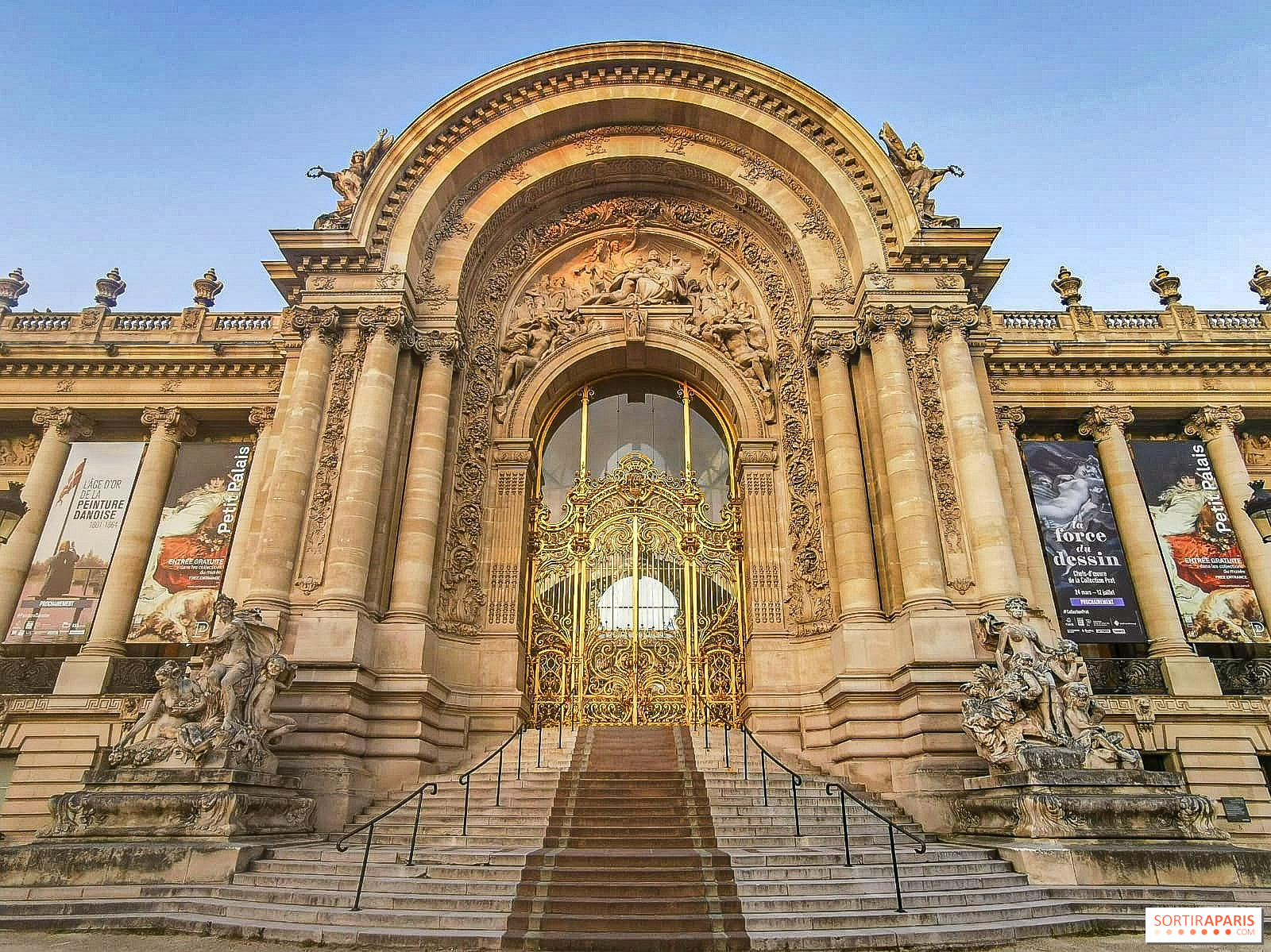
Petit Palais

Apr 2, 2025
A masterpiece of the Belle Époque, the Petit Palais was built for the 1900 Exposition Universelle to celebrate the arts and the city of Paris. Site History Like the neighboring Grand Palais, the Petit Palais was built for the 1900 Exposition Universelle. A masterpiece of the Belle Époque, the trapezoidal building houses a collection of […]

Petit Palais

April 2, 2025

A masterpiece of the Belle Époque, the Petit Palais was built for the 1900 Exposition Universelle to celebrate the arts and the city of Paris.

Site History

Like the neighboring Grand Palais, the Petit Palais was built for the 1900 Exposition Universelle. A masterpiece of the Belle Époque, the trapezoidal building houses a collection of sculptures and murals dating from 1903–1925. Designed by renowned architect Charles Girault, it blends traditional and modern architecture, as evidenced in the natural flow of the space and the bold openings onto the Jardins des Champs-Elysées and the inner courtyard garden. Girault sought to create a building with the grandeur and dignity of an official palace, with the aim of celebrating the arts and glorifying the city of Paris. The Petit Palais features decorative murals, painted ceilings, mosaics and stained-glass windows. Magnificent frescoes by Paul Albert Baudouin (1844–1931) adorn the peristyle in the inner garden. The permanent collection includes paintings and sculptures acquired by the city of Paris since 1870, along with the Dutuit collection of premodern works.

About the Project

The restoration concerns the frescoes in the peristyle of the inner garden. Restoration work will be carried out in four phases, corresponding to four areas of the peristyle’s vault. For each of these phases, the restorers will carry out consolidation, cleaning and dust removal; filling of cracks; and color and pigment reintegration. The Petit Palais financed the first emergency phase and the preliminary study of the garden peristyle up to €200,000.

The Petit Palais Today

The Petit Palais offers free entry to the permanent collection. It also serves as a stunning venue for private events—including FHS’s 40th anniversary gala in 2022.

Château de Vaux

Apr 2, 2025
Abandoned shortly before the Second World War, the 18th-century Château de Vaux underwent numerous renovations prior to its acquisition by Edouard Guyot, who is restoring the interior to reflect its original state. Site History The Château de Vaux was built in 1721 for Jacques d’Aubeterre. The plans for the château were commissioned from Germain Boffrand, […]

Château de Vaux

April 2, 2025

Abandoned shortly before the Second World War, the 18th-century Château de Vaux underwent numerous renovations prior to its acquisition by Edouard Guyot, who is restoring the interior to reflect its original state.

Site History

The Château de Vaux was built in 1721 for Jacques d’Aubeterre. The plans for the château were commissioned from Germain Boffrand, the celebrated architect behind the Châteaux de Lunéville and de Haroué and the Hôtels de Soubise, de Craon and Ferraris. Architect Philippe Delaforce took over in 1752 and modified the plans. The stone was transported on mules from the quarries of Tonnerre (Burgundy) and the slate by boat from Paris. However, the costly construction plunged the owner into financial ruin, and the work was interrupted shortly after his death for lack of funds.

The Montmort family bought the estate shortly before the Revolution and kept the château until 1855, when it was sold to Charlemagne-Emile de Maupas, Prefect of Police under Napoleon III. He remodeled Vaux without touching the exterior architecture. After his death, the castle passed to his daughter. The estate was abandoned shortly before World War II, and the buildings fell into ruin. Philippe Vallery-Radot purchased it in 1970 and renovated the outbuildings to house a center for girls with disabilities. A heritage enthusiast, he installed metal sheets to protect the main structure from water infiltration, as well as wooden supports to prevent collapse. In 2015, Edouard Guyot bought the estate, with the aim of renovating it and opening it to the public.

About the Project

The château has been in a perilous state since World War II. The interiors suffered from water infiltration for over 50 years. The roofs were restored in 1995, allowing for the current restoration of the rooms of the château. This project will restore the flooring on the second and third floors of the east wing and east pavilion. 

Château de Vaux Today

Since 2015, the château and 60 hectares of park were sold to Edouard Guyot, a 22-year-old entrepreneur whose family has a long history of buying and restoring historic châteaux to breathe new life into them through viable commercial projects. His first step was to make the outbuildings available for event rentals, the proceeds of which provided funding for the initial restoration work and allowed him to open the site to the public. He has also prioritized the preservation of the surrounding forests and the sustainable use of local resources.

Château de la Rongère

Apr 2, 2025
The 18th-century Château de la Rongère features magnificent formal gardens that remain unchanged since their creation in 1760.  Site History The lands of La Rongère were sold in 1294 to Macé de Quatrebarbes, whose family built several châteaux on the site in the following centuries. The current château consists of three wings: the Louis XIII and […]

Château de la Rongère

April 2, 2025

The 18th-century Château de la Rongère features magnificent formal gardens that remain unchanged since their creation in 1760. 

Site History

The lands of La Rongère were sold in 1294 to Macé de Quatrebarbes, whose family built several châteaux on the site in the following centuries. The current château consists of three wings: the Louis XIII and Louis XIV wings, built by the Quatrebarbes family; and the Louis XV wing, built in the second half of the 18th century by the de Montecler family. In 1890, the Louis XIV and Louis XIII wings underwent extensive restoration. During this time, the “gendarme hat” was added to the right tower, and updates were made to the ornamentation and numerous sculptures on the façades, in particular those of the chapel, the interior of which was completely redone in the style of the time.

This 18th-century château features an impressive French park and formal gardens created by the Abbé de Montecler in 1760. Designed according to Le Notre’s principles and classified as a historic monument, the gardens have remained intact since then and are the most magnificent in the Mayenne department.

About the Project

The restoration concerns the roof of the chapel, as well as the masonry of the upper section. The chapel was completely restored in 1890 in the style of the 19th century, and it has undergone other repairs and roof maintenance since then. However, its current condition is worrying: the interior suffers from water infiltration, and the stucco from the ceiling is falling; outside, the awnings have been badly damaged by rain, and the sculptures are also damaged. The roof is in poor overall condition. 

Château de la Rongère Today

During the summer, the Château de la Rongère welcomes the public to explore its French-style gardens. Once restored, the chapel will be open to the public along with the gardens.

Château de Rochefort

Apr 2, 2025
The region’s only estate devoted exclusively to wine production prior to the French Revolution, Château de Rochefort has undergone few modifications since its construction in 1764 and is in urgent need of restoration. Site History The Château de Rochefort was built just after the Seven Years’ War by Charles de Goyon-Rochefort. He was drawn to […]

Château de Rochefort

April 2, 2025

The region’s only estate devoted exclusively to wine production prior to the French Revolution, Château de Rochefort has undergone few modifications since its construction in 1764 and is in urgent need of restoration.

Site History

The Château de Rochefort was built just after the Seven Years’ War by Charles de Goyon-Rochefort. He was drawn to the land for its rocky, south-facing slopes overlooking the Sèvre Nantaise river. Wishing to replicate the success of his Bordeaux ship-owner counterparts a few years earlier, he planted a vineyard and had wine presses and cellars built, as well as Louis XV–style offices from which to manage his land. The château, a magnificent Louis XV–style residence was built in 1764, likely based on designs by architect Jean-Baptiste Ceineray from Nantes. At that time, and until the French Revolution, Château de Rochefort was the only example of an exclusively wine-producing estate in the region. It is a remarkable ensemble that has been modified very little over the years, which explains its enormous need for restoration today.

About the Project

The project centers on urgent restoration of the roof of the château and outbuildings to protect from water infiltration. The frame, remarkable in itself, is rotting in places, and the lightning rods installed in the 19th century no longer hold, putting part of the roof in danger of collapse. In addition, a large part of the limestone façade has been infiltrated by water, causing it to crack, which poses threats to the building. Masonry work is needed to restore a fireplace and all the pillars that support the house, two of which have pronounced cracks.

Château de Rochefort Today

The château has been in the same family for over 250 years, passed down from generation to generation through women. Since 2018, it has been in the hands of Guillaume and Marine de Rosnay, who are working to breathe new life into the estate. The site is an integral part of local daily life thanks to the many events held there. It hosts guided tours and conferences in partnership with the Pays du vignoble nantais and the municipality, and it is open to the public in the summer.

Château de Purnon

Apr 2, 2025
A little-known château built in the classic French style, the Château de Purnon was neglected for over a century prior to its purchase by the current owners, who are committed to saving it from ruin. Site History The Château de Purnon and its outbuildings were constructed between 1772 and 1791 for Antoine-Charles Achard, Marquis de […]

Château de Purnon

April 2, 2025

A little-known château built in the classic French style, the Château de Purnon was neglected for over a century prior to its purchase by the current owners, who are committed to saving it from ruin.

Site History

The Château de Purnon and its outbuildings were constructed between 1772 and 1791 for Antoine-Charles Achard, Marquis de la Haye. The Marquis was only able to enjoy his newly built château for a brief time, as the French Revolution forced him to emigrate in 1791. Built in a classic French style, the château is little known, having always remained in private hands; only three families have owned it since its construction. It was acquired by the Marquis de Rochequairie in 1893. World War I marked the end of a flourishing period and saw the gradual deterioration of the main buildings of the estate. In May 2020, after more than a century of abandonment, the property was purchased by an Australian couple in love with France who are determined to save the château and live there.

About the Project

The restoration concerns the stonework of the façades; waterproofing; painted and sculpted decor, including sculpted busts; the slate roof and gutters; and the oak framework of the roof, which was constructed in the style of Philibert Delorme. The owners are prioritizing the quality of the restoration work to ensure that the Château de Purnon remains an impressive example of splendid 18th-century architecture.

Château de Purnon Today

The current owners, Felicity Selkirk and Tim Holding, are devoting themselves full-time to the restoration of the château.

Château de Poncé

Apr 2, 2025
An architectural ensemble classified as a historic monument and “Remarkable Garden,” the Château de Poncé features French and Italian gardens, a labyrinth and the striking Caroline Terrace. Site History The Château de Poncé is a stunning architectural ensemble classified as a historic monument and “Remarkable Garden.” The château was constructed starting in 1530. After four […]

Château de Poncé

April 2, 2025

An architectural ensemble classified as a historic monument and “Remarkable Garden,” the Château de Poncé features French and Italian gardens, a labyrinth and the striking Caroline Terrace.

Site History

The Château de Poncé is a stunning architectural ensemble classified as a historic monument and “Remarkable Garden.” The château was constructed starting in 1530. After four centuries in the same family, it was restored by new owners in the early 20th century. The château is particularly famous for its coffered staircase from 1542, its labyrinth and its gardens, including the Caroline Terrace, with its astonishingly original decor resembling that of an opera house or theater. A precursor of the troubadour Gothic style fashionable among the Romantics, the Caroline Terrace is connected with the work of Prosper Mérimée and more generally with the rediscovery of the Middle Ages, which had considerable repercussions in painting (Ingres, Delacroix), in literature (Ivanhoe, by Walter Scott, and Notre-Dame de Paris, by Victor Hugo) and in music. 

About the Project

The project will restore the Caroline Terrace, an architectural folly constructed in 1830 by Amédée de Nonant in honor of his wife. Built against a limestone cliff, the folly, made of brick and stone on three levels, measures 30 meters high by 80 meters across. Its beautiful ribs, balconies and battlements give it a monumental appearance. The central section collapsed in the 1980s, and its restoration is necessary to prevent the collapse of the entire edifice, which could endanger the château below it. The work involves securing the structure to the cliff against which it leans. The carved limestone decorations require extensive repairs, while important stones in the battlements and the rampart are threatening to collapse. Reconstructing the collapsed sections requires significant funds.

Château de Poncé Today

The Château de Poncé has been open to the public since its major restoration in the 20th century; today, it is an important stop on the route of the châteaux of the Loire Valley. In 2010, the new owners began another restoration campaign, with the aim of opening the site to contemporary art. The project includes the development of exhibition rooms in the 18th-century outbuildings, which host exhibitions in the summer. The village of Poncé-sur-le-Loir is also home to artisan workshops and the Centre d’art contemporain des Moulins de Paillard, which along with the château and its gardens draw artists and tourists to the area.

  • « Go to Previous Page
  • Page 1
  • Interim pages omitted …
  • Page 19
  • Page 20
  • Page 21
  • Page 22
  • Page 23
  • Go to Next Page »

Footer

French Heritage Society

New York

14 East 60th Street
Suite 605
New York, NY 10022
+1 (212) 759-6846
fhs@frenchheritagesociety.org

Contact Us

Paris

7 Rue Lincoln
75008 Paris, France
+33 (0) 1 40 70 07 57
contact@frenchheritagesociety.org

Donate

Support Our Mission

By joining French Heritage Society as a member, you help make our restoration work and educational programs possible.

Subscribe to our Newsletter

Privacy Policy
Copyright © 2026 · French Heritage Society · All Rights Reserved