French Heritage Society
Preserving our historic treasures to inspire future generations
Château de la Moustière
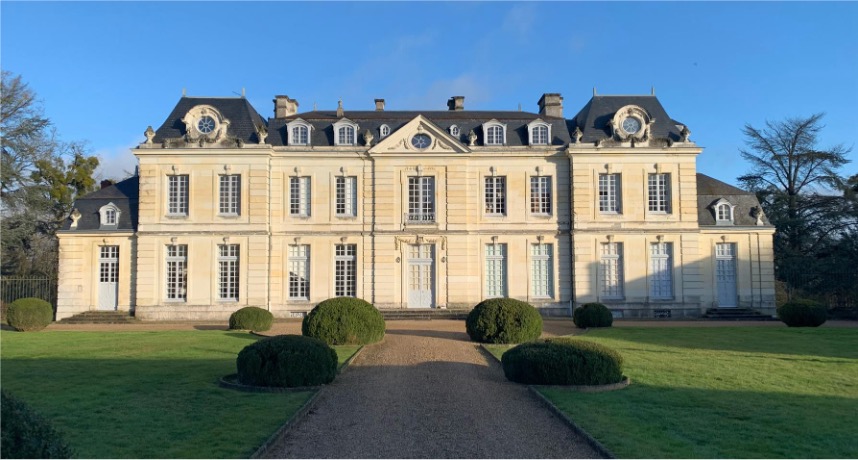
Built in 1771, the Château de la Moustière is a pure and harmonious example of late 18th-century aristocratic architecture that has remained in the same family for 250 years.
Site History
The estate of la Moustière was acquired in 1746 by Louis Joseph Edmond Lepestre de Neubourg, related to Sébastien Le Prestre, Marshal of Vauban. The château was completed in 1771 by the architect Joseph Abel Couture, pupil of Le Carpentier, and reflects the refined classical style of the late Louis XV period. Built in tuffeau stone with mansard slate roofs, it was flanked by symmetrical commons in tile and slate, a chapel, an orangery, a dairy, an icehouse and farm buildings, forming a complete rural ensemble.
The château passed intact through the French Revolution and has remained in the same family since 1781, transmitted without interruption to the present 10th generation. It retains its original layout, façades and interiors, making it one of the most authentic examples of 18th-century architecture in the Indre. The site is protected as a historic monument.
About the Project
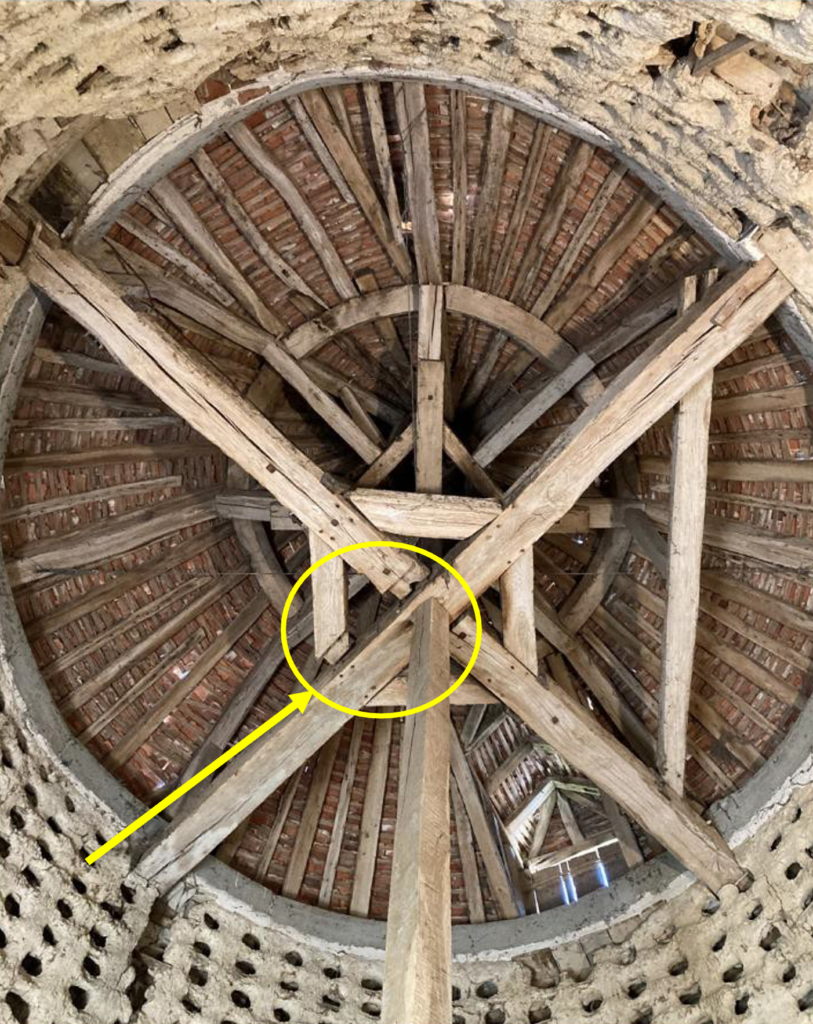
A 2023 diagnostic study mapped all structural disorders of the estate and identified six restoration phases. The current application focuses on the dovecote, whose structure and roof are dangerously unstable following previous invasive repairs. The project will restore the masonry, carpentry and roof to ensure the building’s survival and safe integration into the visitor circuit. This restoration is part of a larger campaign to secure the château, commons, dairy and farm outbuildings.
Château de la Moustière Today
La Moustière is open to visitors about 40 days per year, with guided tours led by the family across three generations. Highlights include the icehouse, the chapel and the rural outbuildings. Around 200 people visit annually, particularly during the Journées du Patrimoine. The estate, set within a 550-hectare rural domain of farmland, woods and ponds, remains a rare intact ecosystem.
The owners are also developing the “Château du Répit” program, set to open in 2025, to host respite stays for vulnerable groups along with socially engaged seminars. This initiative combines heritage preservation with a public mission: “Restaurer les hommes, restaurer les pierres” (Restoring people, restoring stones). Restoring the dovecote will secure both the built heritage and the continuity of community and cultural activities, ensuring that the château can be transmitted in good condition to future generations.

Project Initiated
Work Underway
Project Complete
Footer