French Heritage Society
Preserving our historic treasures to inspire future generations
Château d’Aguts
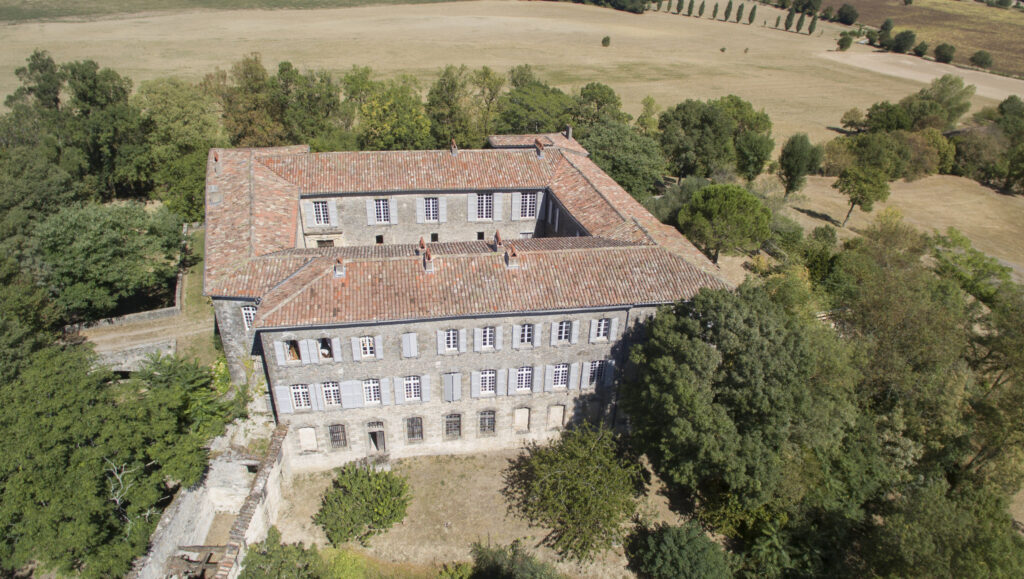
Originally constructed in the 14th century to defend the bastide of Revel, the Château d’Aguts was dismantled during the Wars of Religion before being transformed into a residence of leisure in the 17th and 18th centuries. Abandoned in the 19th century, it was saved from ruin by its current owners, who have undertaken an exemplary decades-long restoration.
Site History
The first mention of the Château d’Aguts dates to 1405. The château is believed to have been built to protect the town of Revel, founded in 1342. After resisting during the Wars of Religion, it was dismantled by royal order in 1622. In the 17th century, it was rebuilt as a château de plaisance (pleasure castle), then enlarged and embellished in the 18th century by Paul d’Avessens and Gabrielle de Riquet.
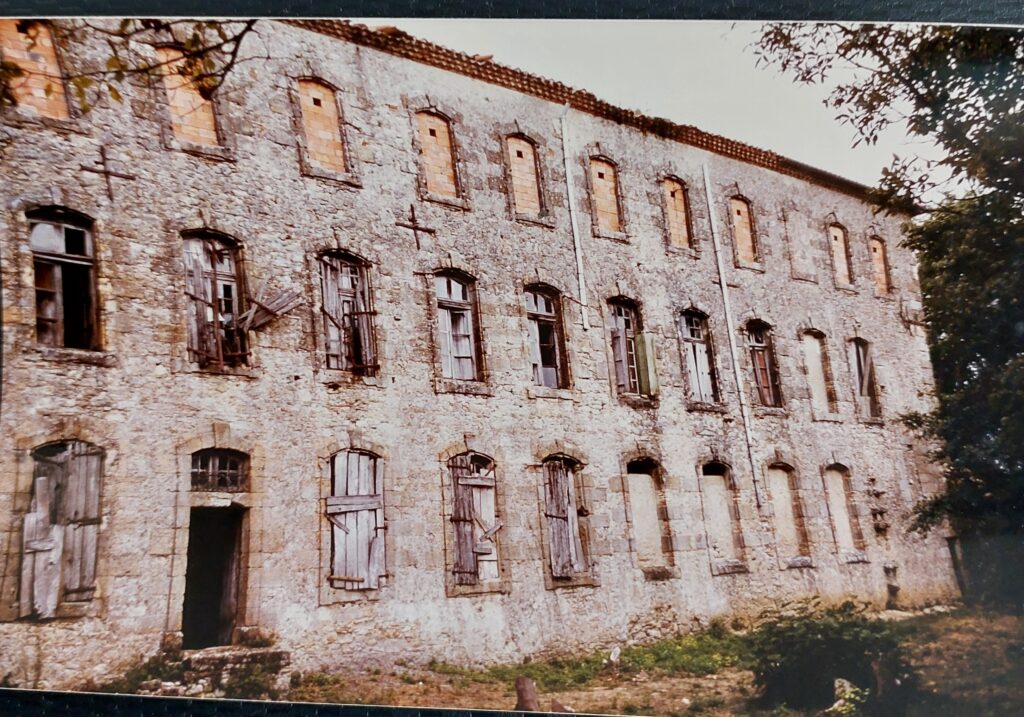
The château fell into abandonment in the mid-19th century and was acquired in 1977 by Alain and Véronique Chavagnac. Over nearly 50 years, they restored roofs, frameworks, floors, ceilings, painted decorations and structural walls, transforming the ruin into a lived-in family home and vibrant cultural site.
Classified as a historic monument in 2014, the château is one of the few remaining noble residences of its type in the Tarn.
About the Project
The bridge linking the château to the surrounding grounds is its only point of entry. Its masonry is failing, with deterioration of the intrados posing both security risks and danger of collapse. The project will dismantle unstable elements, rebuild the masonry with traditional techniques and incorporate an accessible passage for visitors with disabilities.
The work will be carried out by Chevrin-Géli, a family business specializing in heritage restoration. With nearly €1.8 million already invested in restoration, the current project ensures both preservation and safe access for visitors, securing the continuity of cultural programming.
Château d’Aguts Today
Open to the public since 1987, the château welcomes about 400 visitors annually over 40 days in summer, during the Journées du Patrimoine and by appointment. It hosts guided tours, concerts, exhibitions, author events and gatherings of the association Vieilles maisons françaises. Partnerships with the commune and the communauté de communes strengthen its role as a cultural hub.

Project Initiated
Work Underway
Project Complete
Footer