• Who We Are
    • Who We Are
    • Our Mission in Action
    • History
    • Chapters
    • Leadership & Staff
    • Press
    • Sponsors & Partners
    • Contact Us
  • What We Do
    • What We Do
    • Programs & Events
    • Education
      • Education Overview
      • Internship Opportunities
      • Apply Now
    • Preservation
      • Preservation Overview
      • Grant Projects
  • Support Us
    • Support Us
    • Donate Now
    • Support a Project
    • Membership
    • Planned Giving
    • Corporate Sponsorship
  • Skip to table of contents
  • Skip to main content
  • Skip to footer
French Heritage Society

French Heritage Society

Preserving our historic treasures to inspire future generations

  • Who We Are
    • Who We Are
    • Our Mission in Action
    • History
    • Chapters
    • Leadership & Staff
    • Press
    • Sponsors & Partners
    • Contact Us
  • What We Do
    • What We Do
    • Programs & Events
    • Education
      • Education Overview
      • Internship Opportunities
      • Apply Now
    • Preservation
      • Preservation Overview
      • Grant Projects
  • Support Us
    • Support Us
    • Donate Now
    • Support a Project
    • Membership
    • Planned Giving
    • Corporate Sponsorship
  • Who We Are
    • Who We Are
    • Our Mission in Action
    • History
    • Chapters
    • Leadership & Staff
    • Press
    • Sponsors & Partners
    • Contact Us
  • What We Do
    • What We Do
    • Programs & Events
    • Education
      • Education Overview
      • Internship Opportunities
      • Apply Now
    • Preservation
      • Preservation Overview
      • Grant Projects
  • Support Us
    • Support Us
    • Donate Now
    • Support a Project
    • Membership
    • Planned Giving
    • Corporate Sponsorship

Learn More

Historical Buildings

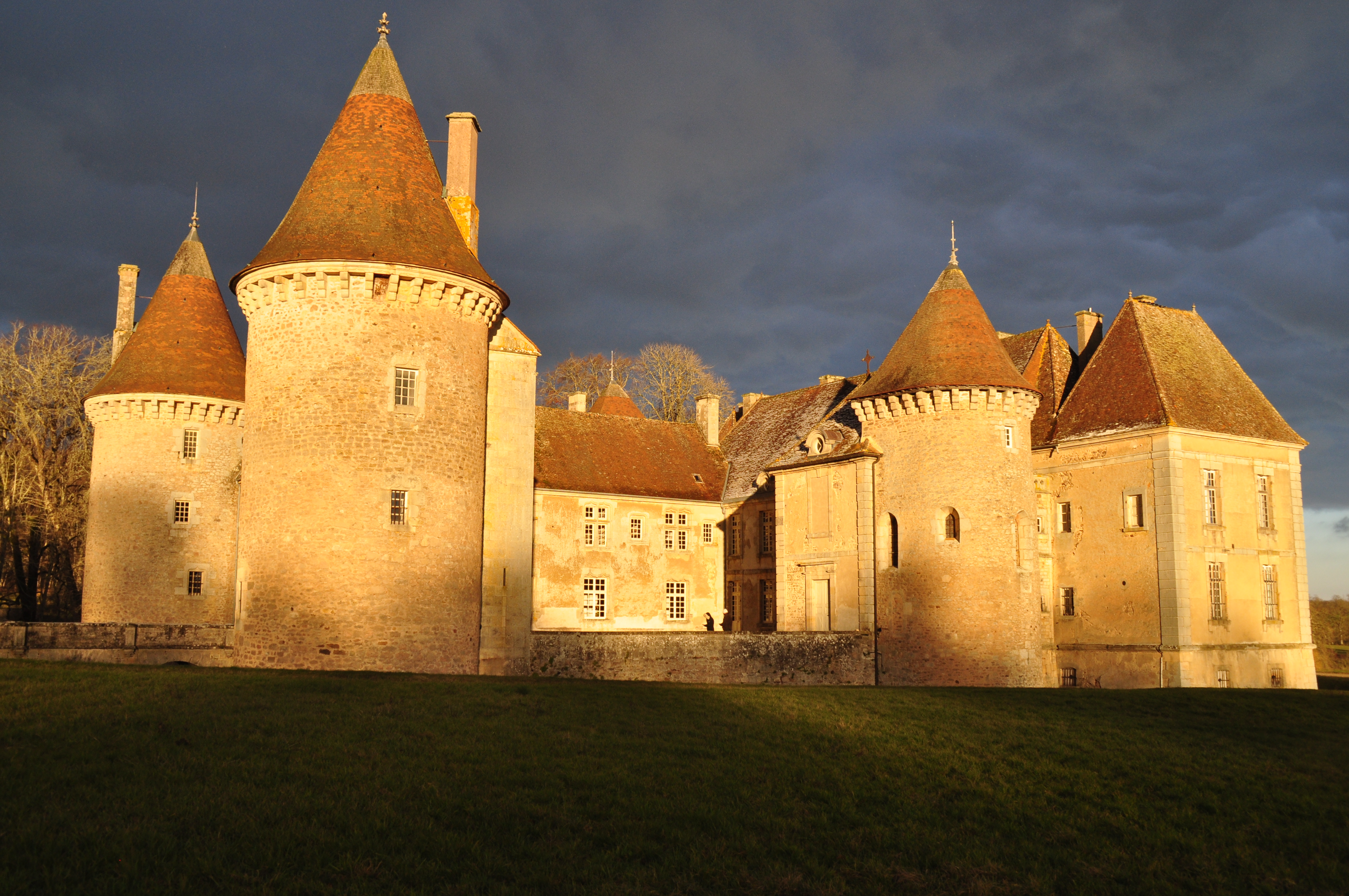
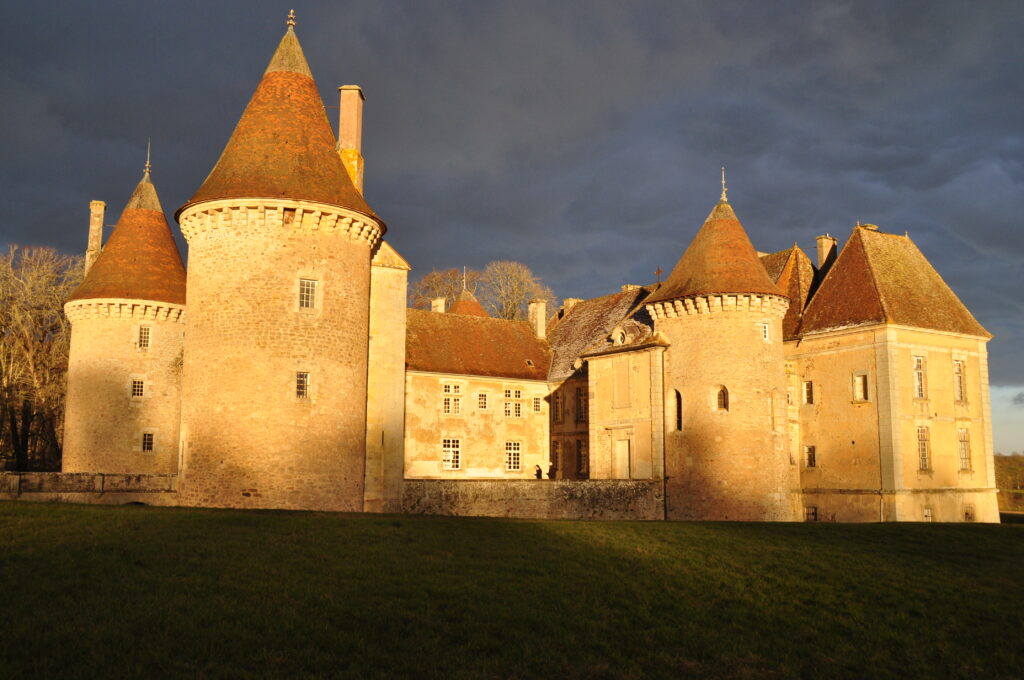
Château de Cons-la-Grandville

Feb 11, 2025
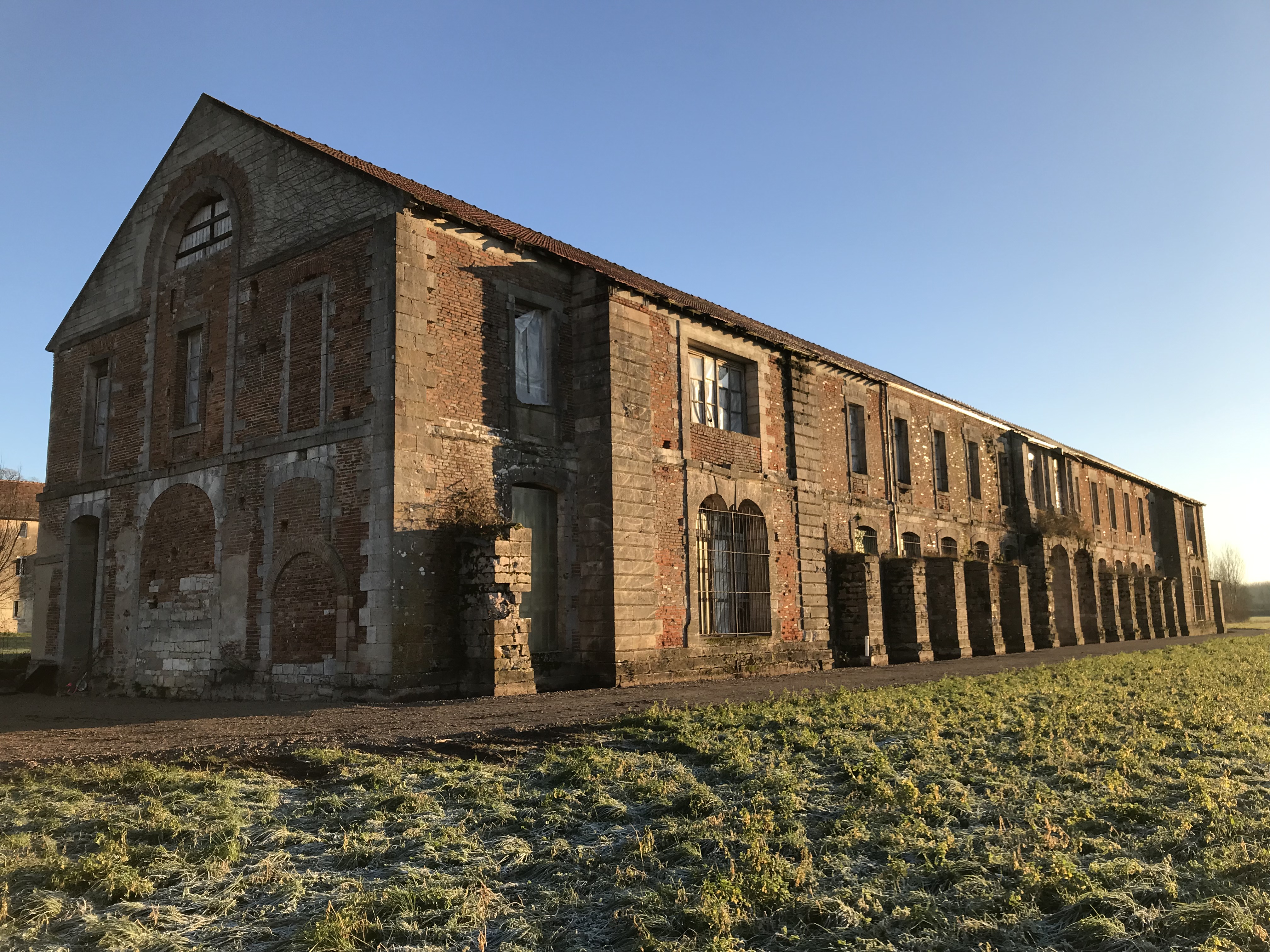
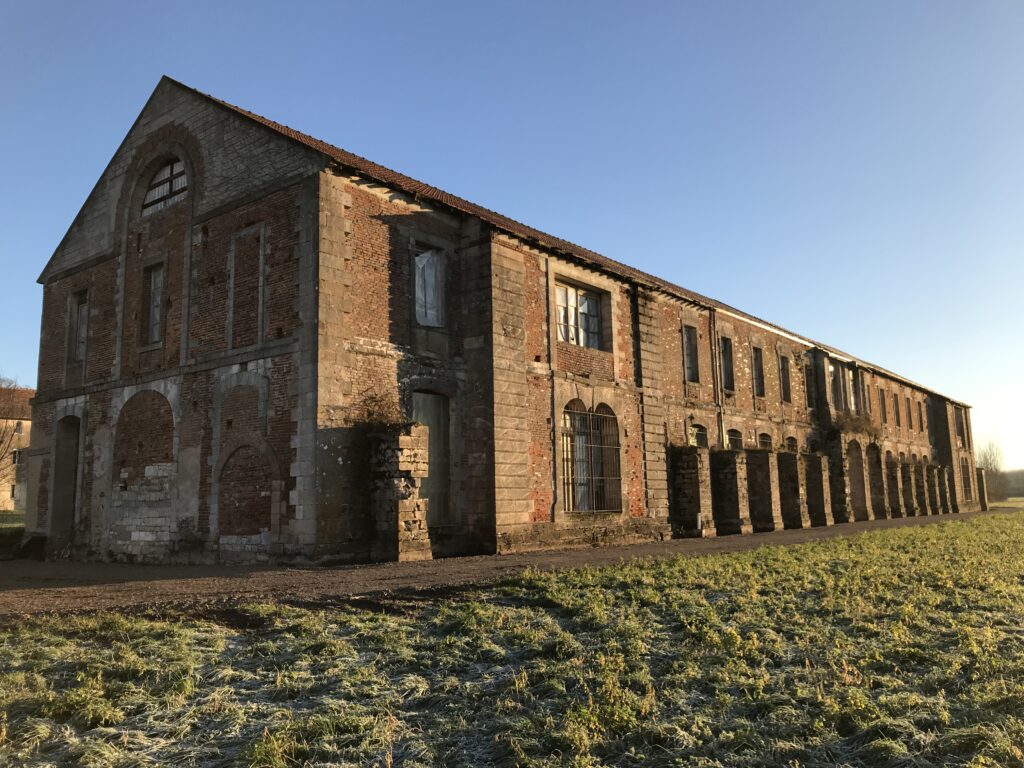
Inhabited by the same family since 1640, the Château de Cons-la-Grandville has undergone significant transformation over the centuries, including partial reconstruction after it was damaged in the Thirty Years’ War. Site History & Significance The Château de Cons-la-Grandville, built on a rocky promontory above the Chiers river, rests on the foundations of an earlier fortress […]

Château de Cons-la-Grandville

February 11, 2025

Inhabited by the same family since 1640, the Château de Cons-la-Grandville has undergone significant transformation over the centuries, including partial reconstruction after it was damaged in the Thirty Years’ War.

Site History & Significance

The Château de Cons-la-Grandville, built on a rocky promontory above the Chiers river, rests on the foundations of an earlier fortress erected by Dudon de Cons in the 11th century. The château has undergone numerous transformations and enhancements, evolving from a military function, with its massive lower sections, to a more decorative style that reflects a range of periods. Made of Jaumont, a yellow limestone, the building is distinguished by its richly adorned façades and harmonious interiors, which feature designs dating from the 13th to the 19th century and include the grand hall, Renaissance fireplaces and a chapel. Classical elements speak to its partial reconstruction following damage from the Thirty Years’ War.

Inhabited by the same family since 1640, the château has been passed down through women since the 11th century, illustrating a remarkable continuity of heritage. Today, it is owned by the ninth Marquis de Lambertye and Cons-la-Grandville.

About the Restoration Project

The west wing and stables partially collapsed on September 1, 1944, due to a fire set by German officers who used the site as an arms depot during the Second World War. The restoration project focuses on the framework and masonry of the stables.

Château de Cons-la-Grandville Today

The château opens to the public on a limited basis and prioritizes group visits, except during national public events like the Rendez-vous aux jardins and European Heritage Days. At the end of 2019, it hosted a game of giant Cluedo, in which participants investigated a staged mystery. A project for a guesthouse with wheelchair accessibility is under study.

Château d’Epiry

Feb 11, 2025
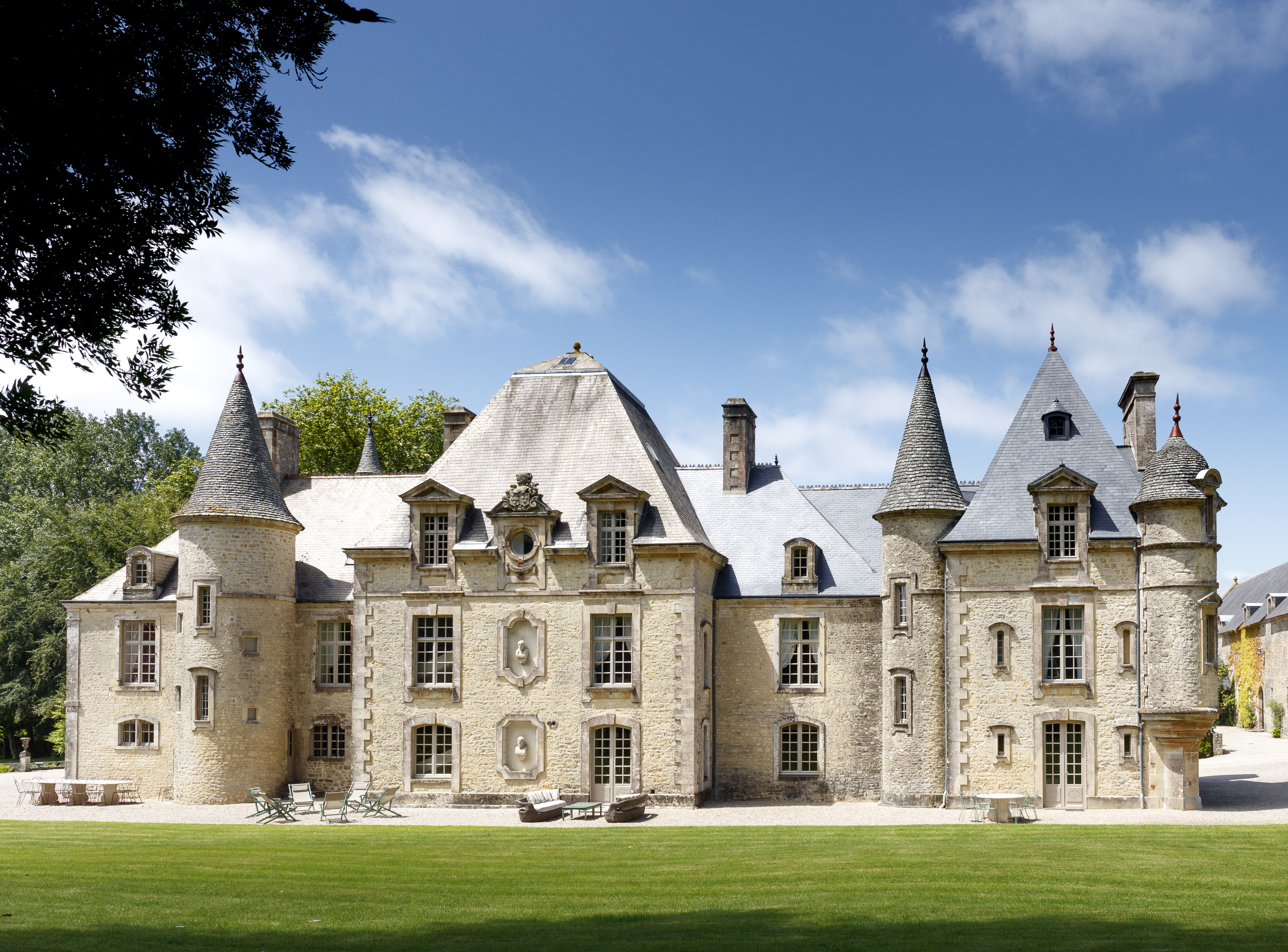
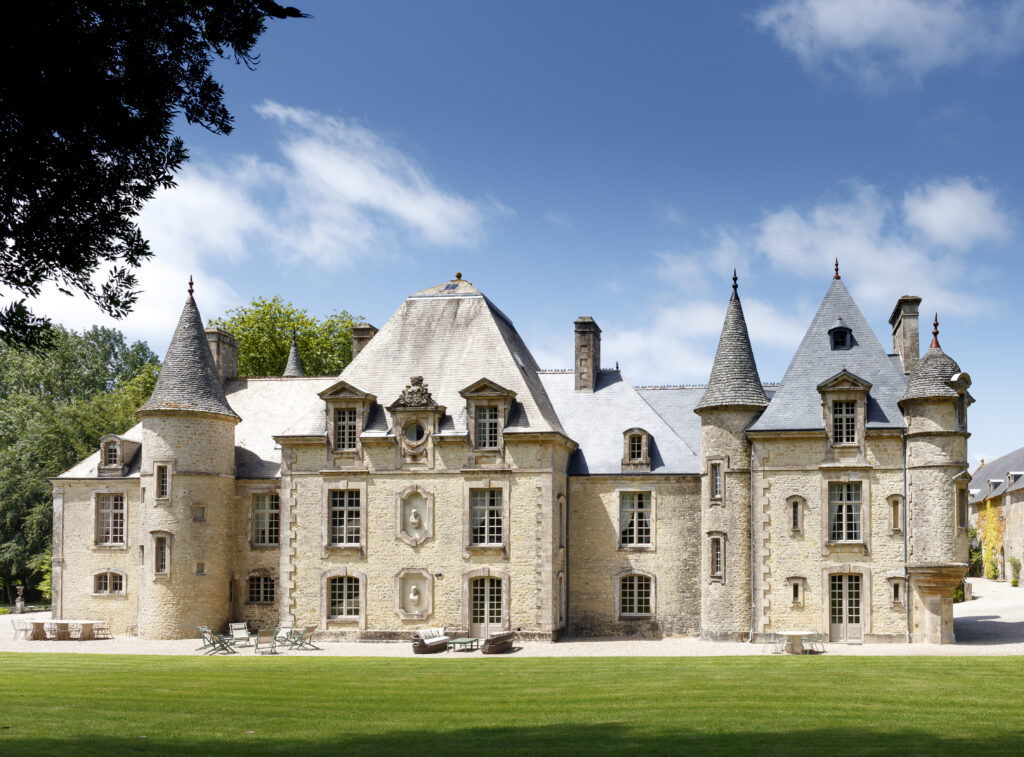
With various elements built between the 14th and 19th centuries, the Château d’Epiry displays an evolving range of architectural styles. Site History & Significance The Château d’Epiry showcases an evolution of architectural styles. Its origins are unclear, but a square tower is known to have been built no later than the 14th century, around which […]

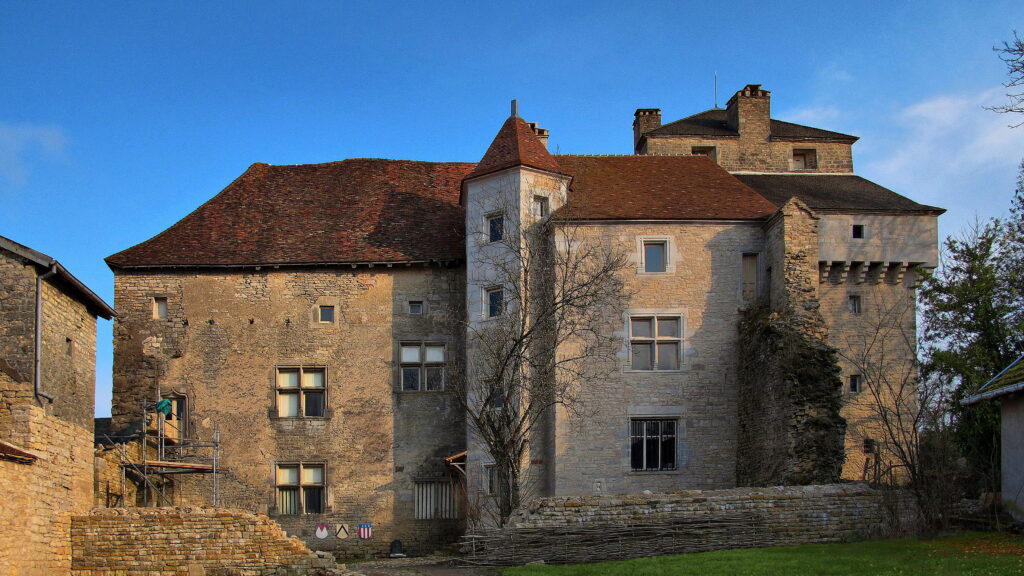
Château d’Epiry

February 11, 2025

With various elements built between the 14th and 19th centuries, the Château d’Epiry displays an evolving range of architectural styles.

Site History & Significance

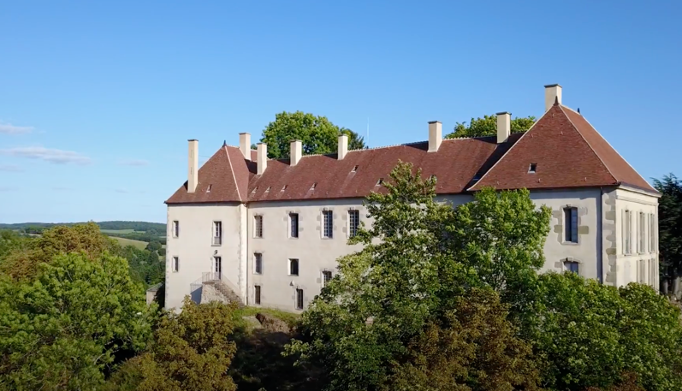
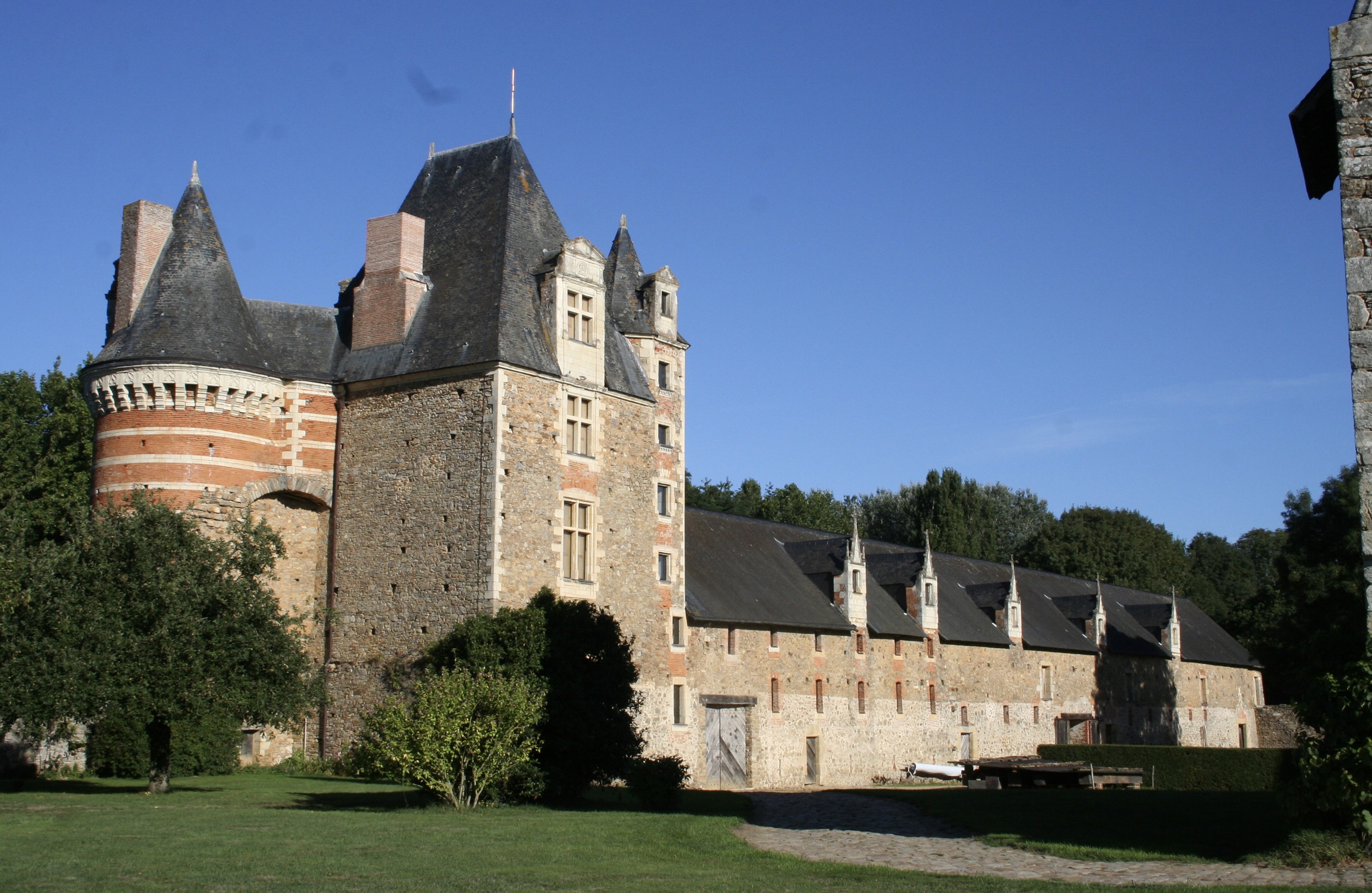
The Château d’Epiry showcases an evolution of architectural styles. Its origins are unclear, but a square tower is known to have been built no later than the 14th century, around which time the Rabutin family occupied the château. Four round towers were subsequently constructed, along with their curtain walls. Around 1480, Hugues de Rabutin built a large chapel. The 15th century also saw the construction of a main building with an irregular layout, framed by the two northern towers and lit by mullioned windows. The estate later passed to the Magdelaine de Ragny family, who built a grand main building in 1717. In the 19th century, an elegant gate and two lion statues were constructed at the entrance.

The château is notable for being the birthplace of Roger de Bussy-Rabutin, a fascinating figure in the literary and social history of the 17th century. The first cousin of the famous Madame de Sévigné, Bussy-Rabutin caught the attention of King Louis XIV due to his quick wit and charm, and he became a flamboyant courtier, mingling in the intrigues and splendor of the court of Versailles. However, the circulation of his book L’histoire amoureuse des Gaules (The Amorous History of the Gauls), an audacious work that depicts the tumultuous loves of the nobles of his time, led to his banishment from court. He continued to write in exile, leaving behind a significant body of work that reflects on love and society.
About the Restoration Project

The FHS grant supports the restoration of the southern wing of the 15th-century main building. Work includes removing the roof to check the wooden structure underneath, then replacing the roof, including the ridges and ridge cap. The project extends to the installation of gutters and downspouts made of copper, creation of a “closed valley” to direct water flow, and placement of the ridge cap with crests and joints made of lime mortar.

Château d’Epiry Today

On taking over the Château d’Epiry in 2017, the new owners undertook a complete diagnosis of the site. It showed that a restoration of all the roofs and façades, with the exception of those of the four round towers and the medieval façade, was urgently needed. A work permit was granted, and restoration began in 2021. Once this work is complete, restoration will begin on other parts of the estate that are listed as Historic Monuments.

Château de Valleroy

Feb 11, 2025
Constructed in the 12th century and seized as a national asset during the French Revolution, the Château de Valleroy has since passed into the hands of owners committed to restoring it to its former glory. Site History & Significance The Château de Valleroy, built in the 12th century, is a remarkable testament to local history. […]

Château de Valleroy

February 11, 2025

Constructed in the 12th century and seized as a national asset during the French Revolution, the Château de Valleroy has since passed into the hands of owners committed to restoring it to its former glory.

Site History & Significance

The Château de Valleroy, built in the 12th century, is a remarkable testament to local history. It underwent numerous architectural modifications over the centuries, weathering the tumultuous periods of the Renaissance and the ancien régime. However, the French Revolution marked a decisive turning point in its history: the château was seized as a national asset, and its owner, Count Philippe-Emmanuel de Salives, fled to Switzerland. Following the revolution, the château was gradually abandoned, its upkeep neglected, and it fell into a state of disrepair. In 1990, Jean-Paul Borsotti and his wife, Jacqueline, acquired the château with the goal of restoring it to its former glory.

In 1877, while plowing the fields, a local farmer uncovered a letter buried by Count de Salives before he fled to Switzerland, referencing a silver chest hidden somewhere between the château and the village cemetery. The fate of the treasure remains a mystery, leaving an intriguing question for history lovers and adventurers alike.

About the Restoration Project

The roof structure of the main building is in dire need of restoration. Significant damage has led to water infiltration, causing serious deterioration to the walls and spreading further into the lower levels of the château. To preserve the integrity of this historic landmark, the entire oak framework must be replaced. A dendrochronological study undertaken in 1999 revealed that some of the beams date back to the winter of 1527–28, and these are still in place today. In addition to the framework, the roof and wall copings require full restoration.

Château de Valleroy Today

The Association for the Reconstruction and Development of the Château de Valleroy promotes the preservation of the château and encourages its cultural and artistic development. The association also raises awareness of its significance through historical research and publications. The château is open to the public on Sunday afternoons from mid-April to early October and for four weeks starting in mid-July.
Château d’Annéot

Feb 11, 2025
Built in the late 17th/early 18th century and long abandoned, the Château d’Annéot is a potent symbol of the revival of rural French heritage. Site History & Significance The domaine d’Annéot, located near Avallon and Vézelay, is a remarkable estate featuring a château dating from the late 17th to early 18th century, with outbuildings that […]

Château d’Annéot

February 11, 2025

Built in the late 17th/early 18th century and long abandoned, the Château d’Annéot is a potent symbol of the revival of rural French heritage.

Site History & Significance

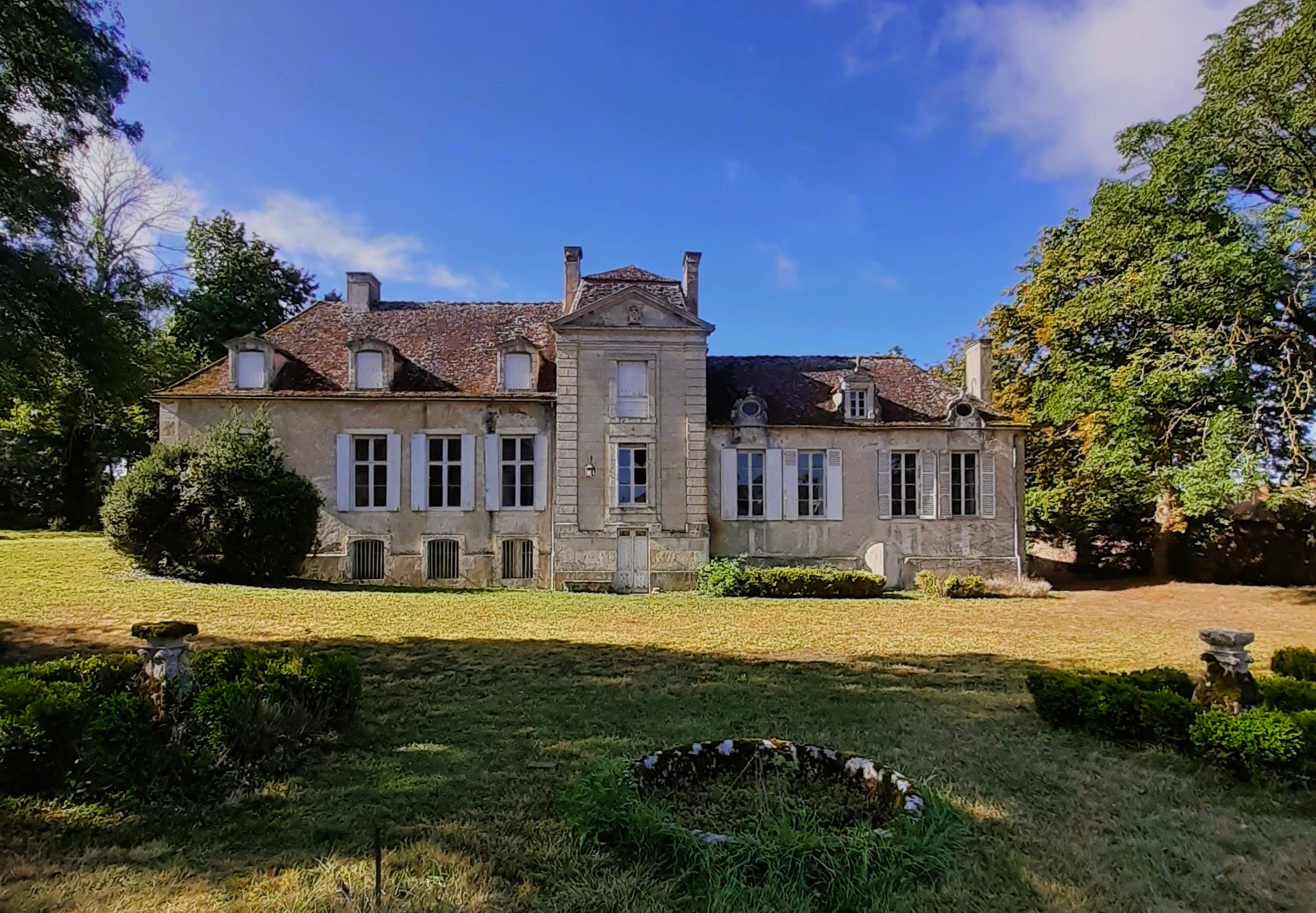
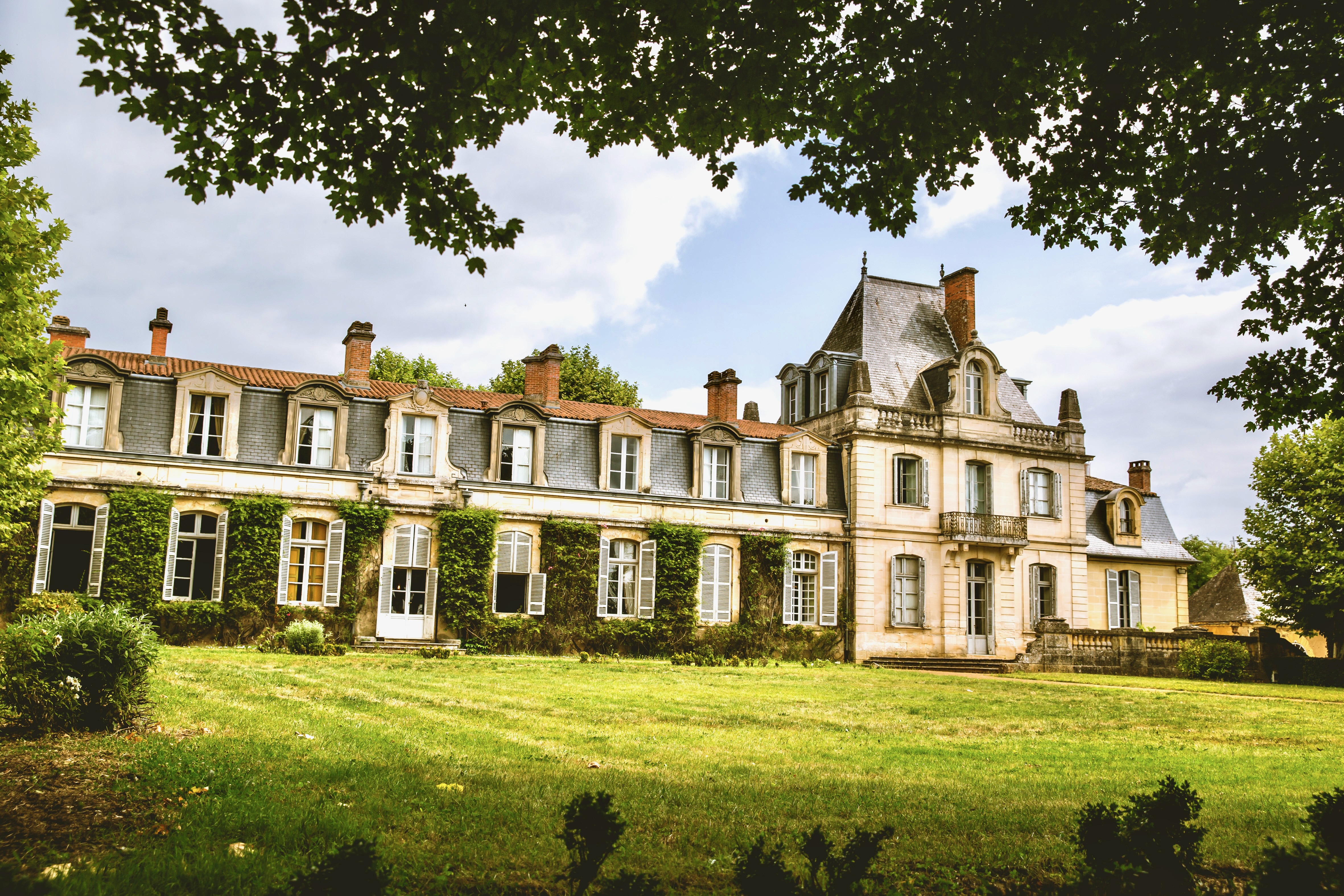
The domaine d’Annéot, located near Avallon and Vézelay, is a remarkable estate featuring a château dating from the late 17th to early 18th century, with outbuildings that include a caretaker’s house, stables, barns and a dovecote. After being abandoned for over 40 years, the Château d’Annéot and its outbuildings now face serious structural issues, particularly with regard to the roof framework and foundations.

About the Restoration Project

The FHS grant supports restoration of the pavilion central’ roof structure, one of the critical steps needed to safeguard this historic estate. Prolonged neglect has caused significant water damage to the roof timbers in multiple areas. Temporary supports currently hold up certain ceilings, and immediate intervention is needed to prevent the roofs of the château’s central pavilion from collapsing like that of the grand outbuilding, which has already caved in entirely.

Château d’Annéot Today

Though the Château d’Annéot represents a significant restoration challenge, the new owners, a couple deeply passionate about heritage preservation, have undertaken the work with great determination. With its rich history and distinctive architecture, the site stands as a symbol of the revival of rural French heritage.

Château de Jarnioux

Feb 7, 2025
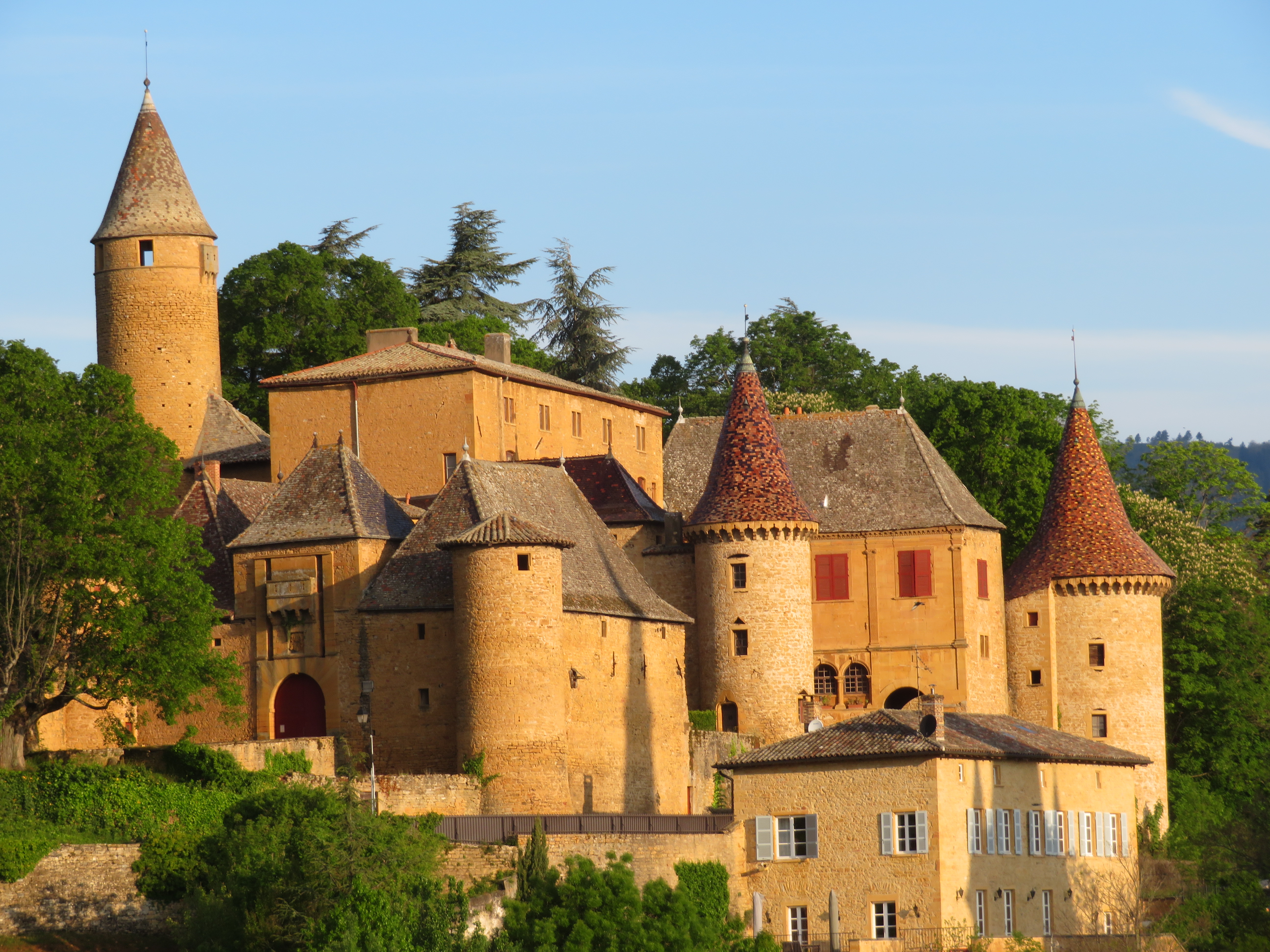
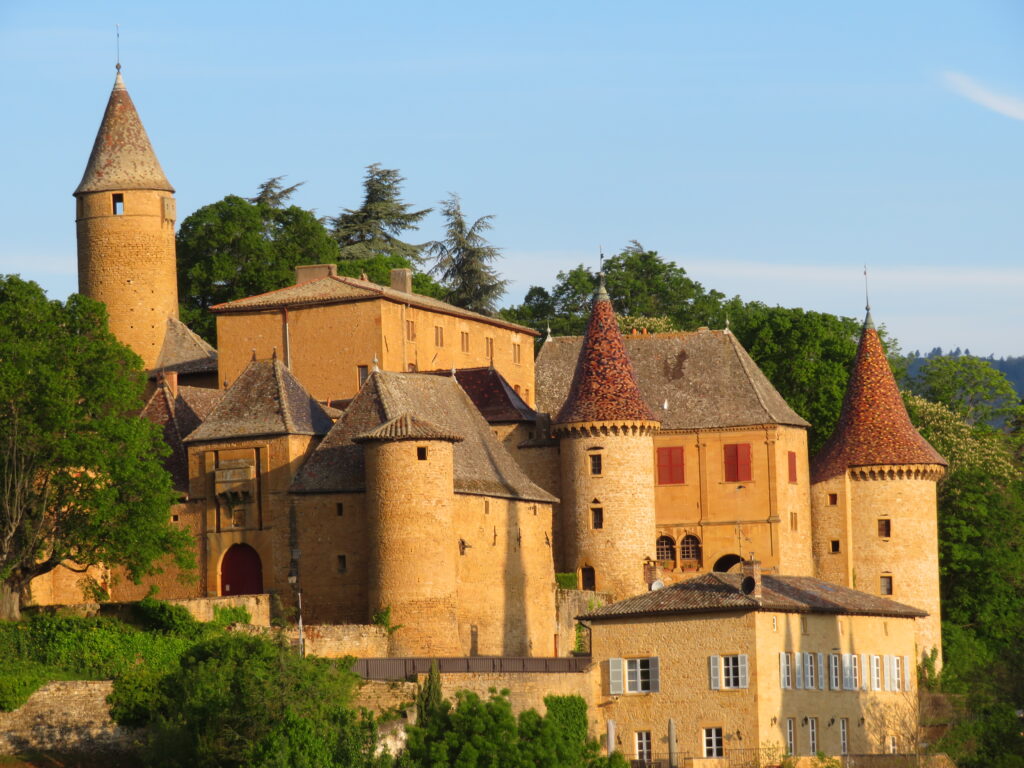
Built between the 13th and 18th centuries, the well-preserved Château de Jarnioux exemplifies the evolution of architecture during that period.   Site History & Significance The Château de Jarnioux is a remarkable estate comprising several buildings constructed between the 13th and 18th centuries. Since 1750, no major architectural changes have been made, making it a […]

Château de Jarnioux

February 7, 2025

Built between the 13th and 18th centuries, the well-preserved Château de Jarnioux exemplifies the evolution of architecture during that period.  

Site History & Significance

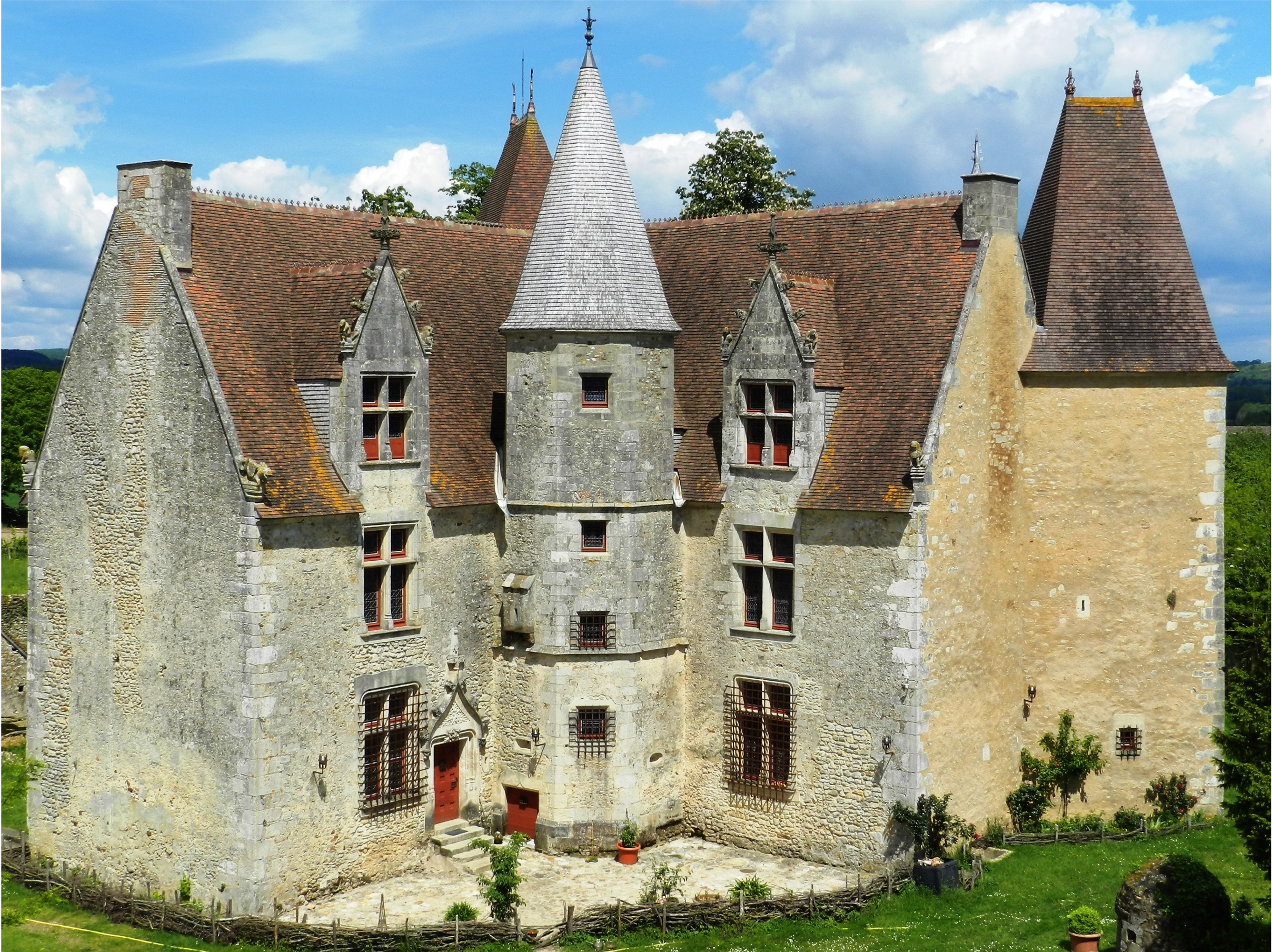
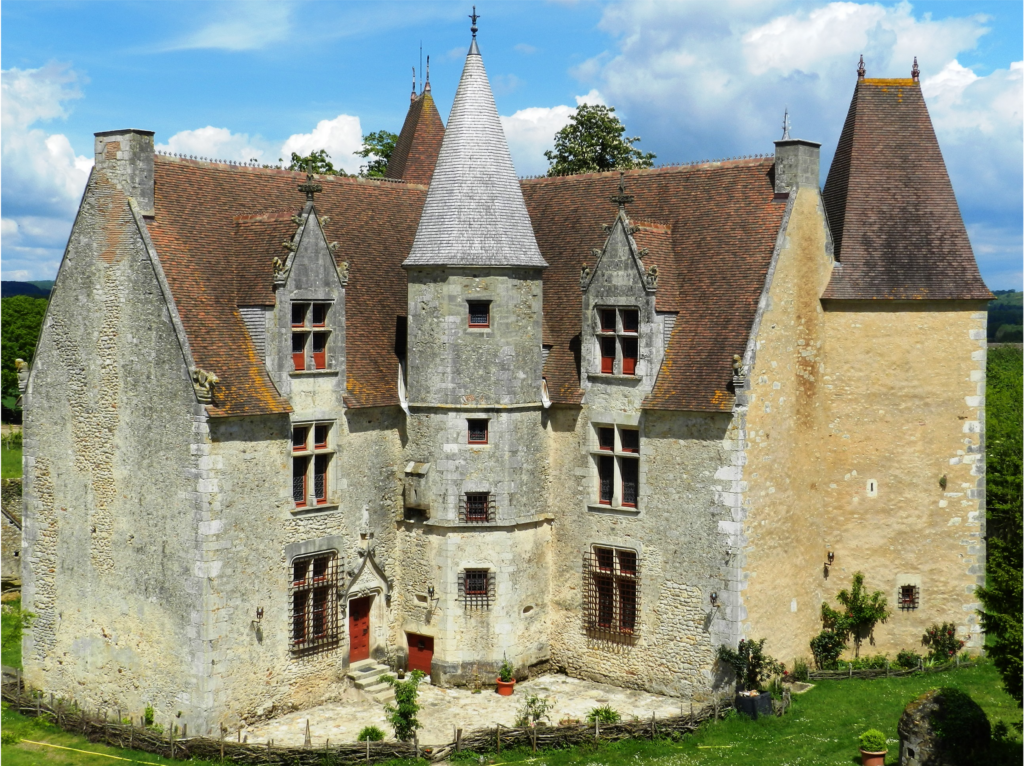
The Château de Jarnioux is a remarkable estate comprising several buildings constructed between the 13th and 18th centuries. Since 1750, no major architectural changes have been made, making it a well-preserved example of the evolving architecture of that period. The various structures, all built from golden limestone, are arranged across several levels of terraces. Among them is a Renaissance-style building, sometimes attributed to the renowned Renaissance architect Philibert de l’Orme, which overlooks the village below. Towering above the estate is a large tower resembling a keep, offering panoramic views of the surrounding landscape. At its base, the tower houses a seigneurial prison, a reminder of the site’s feudal history.

About the Restoration Project

The restoration project focuses on the framework of the 18th-century section, particularly the lantern that protects the château’s bell, which is in urgent need of repair.

Château de Jarnioux Today

The Château de Jarnioux is one of the last examples of a château built entirely from golden stone. It has been in the same family for 250 years and is open to the public every weekend from May through October, as well as daily for three weeks in August during the owners’ vacation

Château de Mortiercrolles

Feb 7, 2025
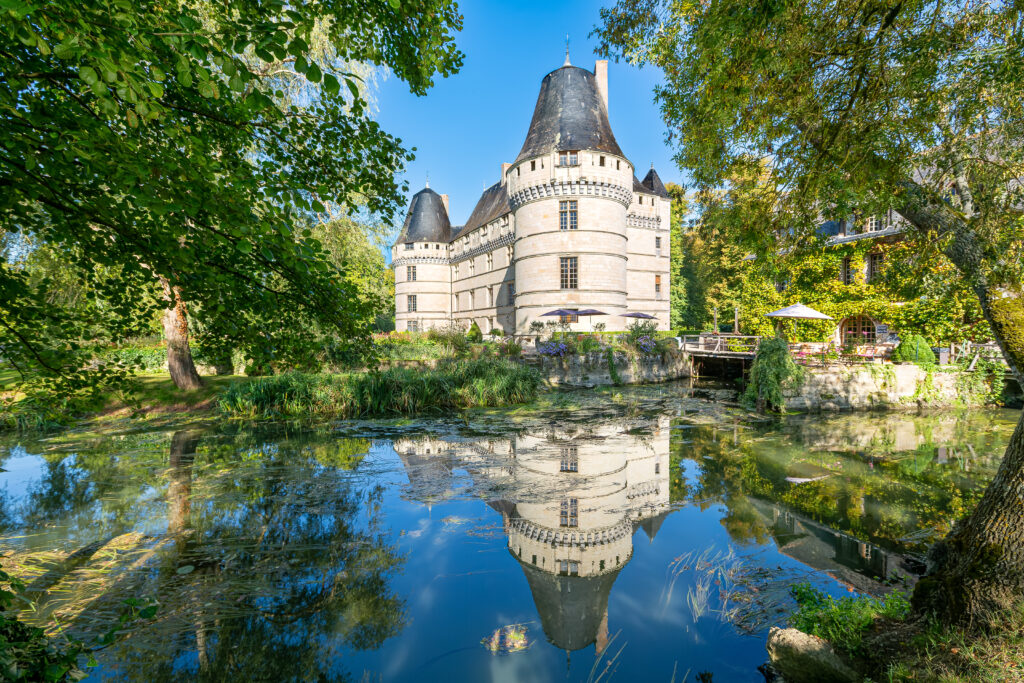
Once a fortified enclosure, the Château de Mortiercrolles greets visitors with water-filled moats and a blend of Gothic, medieval and Renaissance architecture. Site History & Significance In the early 14th century, Mortiercrolles was a fortified enclosure. At the end of the 15th century, Pierre de Rohan transformed it into a pleasure residence designed in the […]

Château de Mortiercrolles

February 7, 2025

Once a fortified enclosure, the Château de Mortiercrolles greets visitors with water-filled moats and a blend of Gothic, medieval and Renaissance architecture.

Site History & Significance

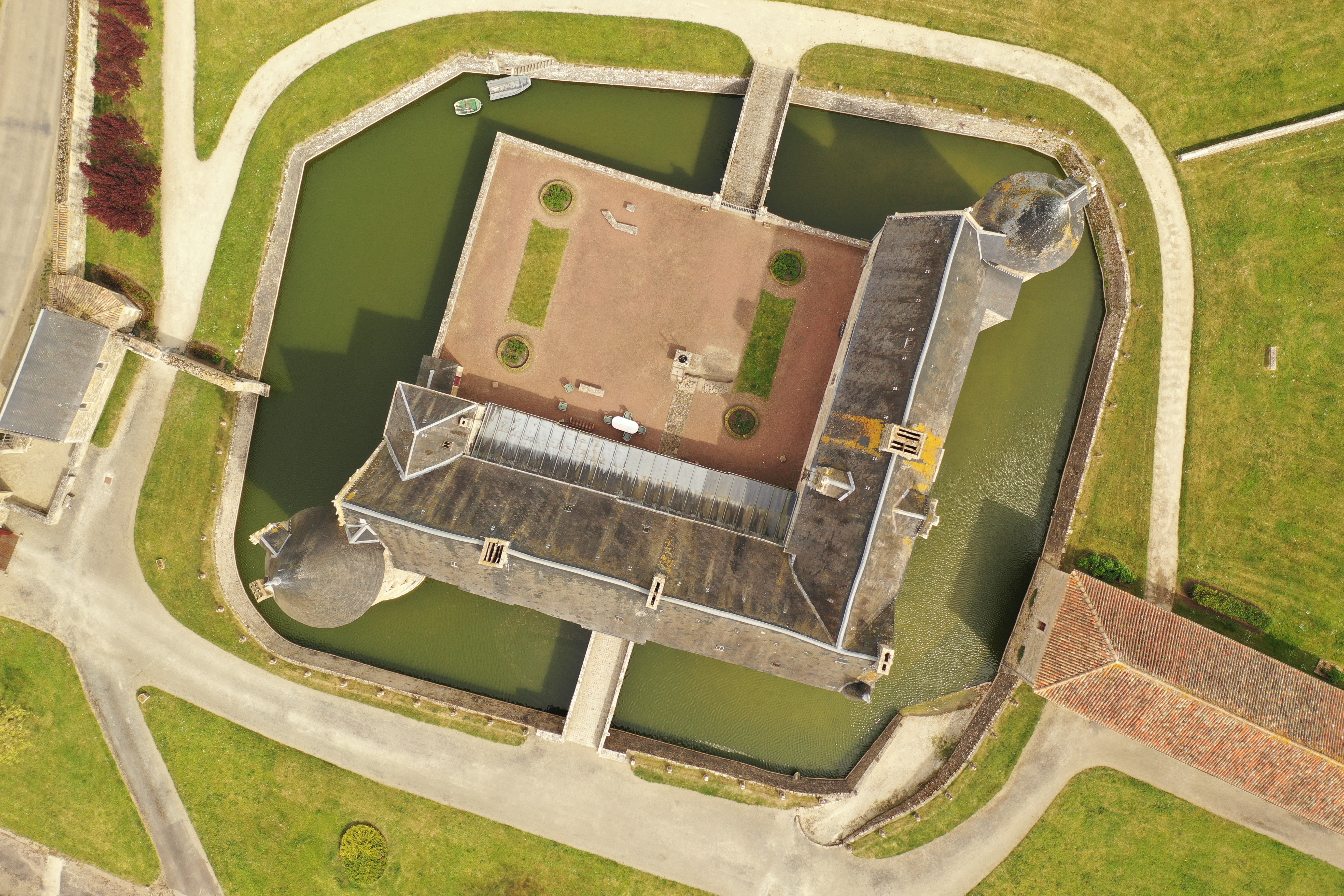
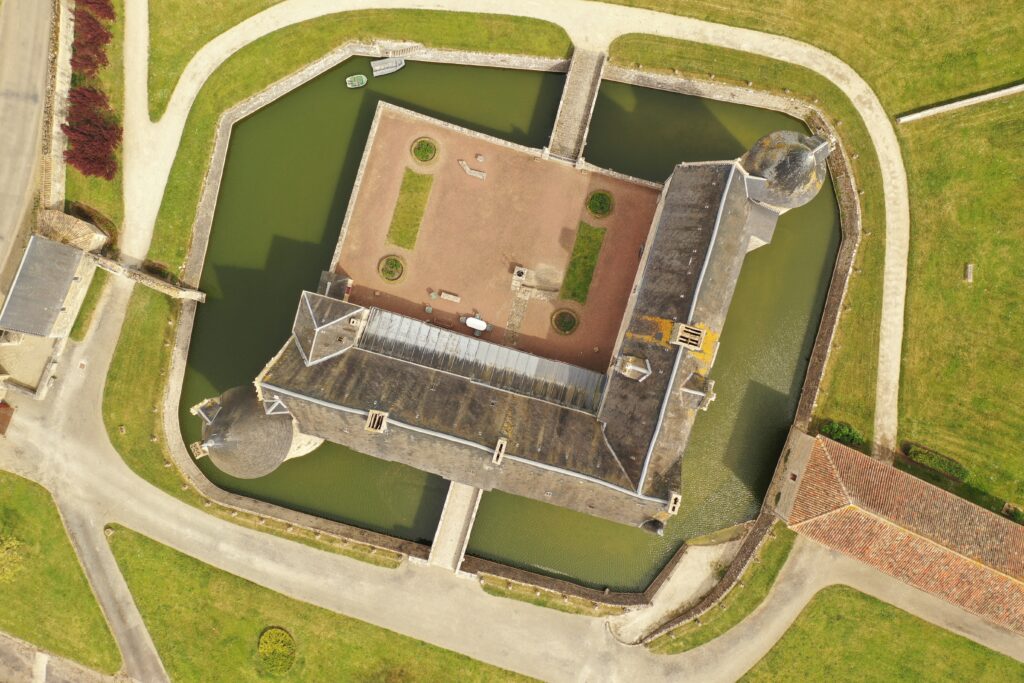
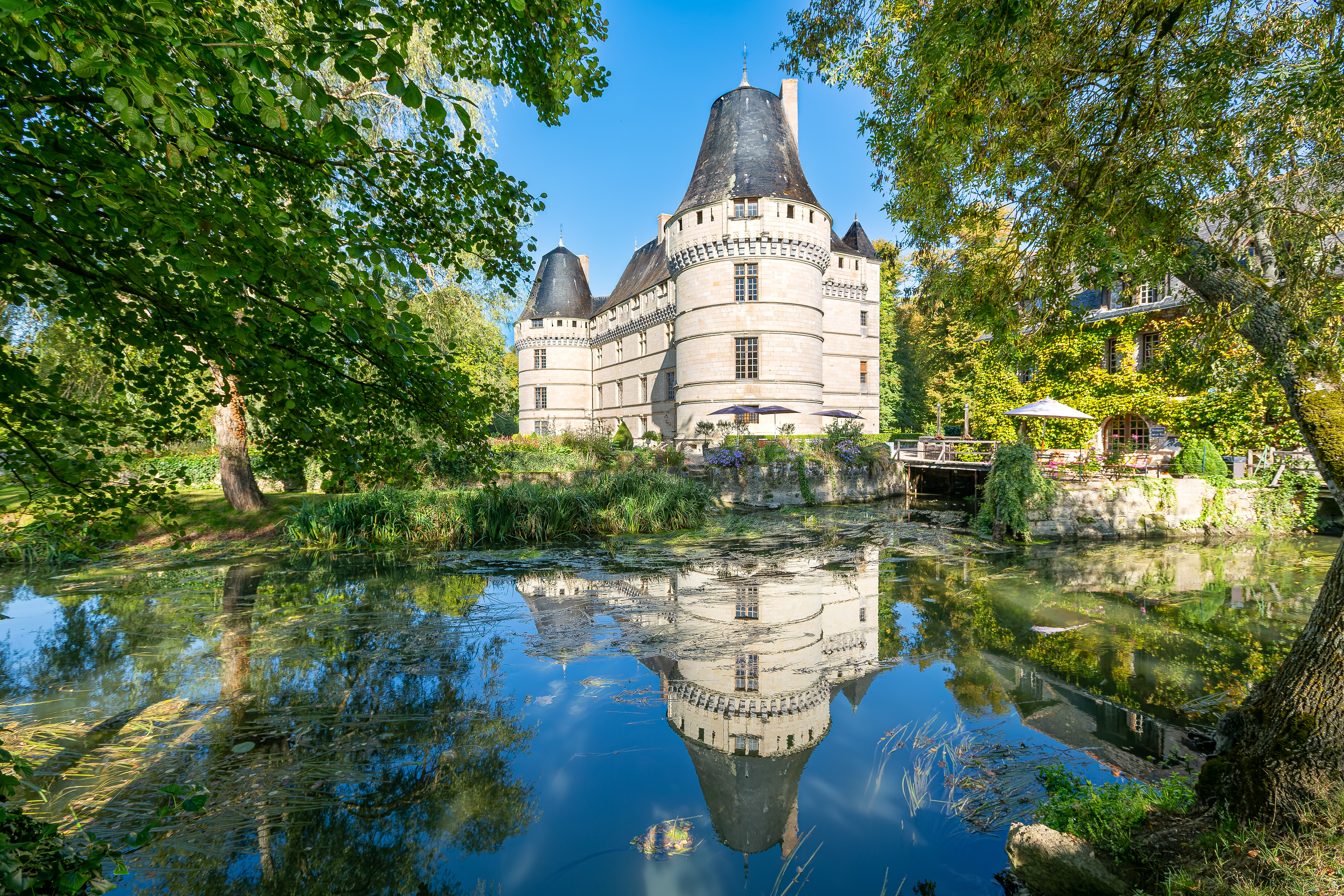
In the early 14th century, Mortiercrolles was a fortified enclosure. At the end of the 15th century, Pierre de Rohan transformed it into a pleasure residence designed in the Louis XII style. Today, water-filled moats surround the medieval enclosure, which contains the gatehouse, main residence, chapel, granaries and cellars, and stables. FHS previously supported the Château de Mortiercrolles in 2012 through a grant from our Dallas Chapter.

About the Restoration Project

The restoration project focuses on the five dormer windows of the gatehouse, which are particularly notable as examples of Second French Renaissance architecture from the latter half of the 16th century. Each large dormer window bears a beautiful coat of arms of the Rohan-Guémené family, still visible today. In early 2024, a heritage architect conducted a preliminary study of these dormers, revealing their very poor condition and urgent need for restoration. Some parts have already disappeared, and pieces of tuffeau stone frequently detach, resulting in the loss of valuable historical elements. Restoration work began in July 2024 to preserve this unique treasure of historical heritage.

Château de Mortiercrolles Today

The Château de Mortiercrolles is open for visits daily from mid-July through August, and it welcomes groups of at least 30 people by appointment year-round. The owners organize activities during European Heritage Days, such as demonstrations of clay spindle-making for the restoration of French-style ceilings, as well as a selection of concerts in the chapel and exhibitions throughout the year.

Château de Tiregand

Feb 7, 2025
Built in the 13th century by the eldest son of Henry III of England, the Château de Tiregand passed through many hands, including the Saint-Exupéry family, relatives of the famed author of The Little Prince. Site History & Significance The Château de Tiregand was originally built in the 13th century by Edward Tyrgan, son of […]

Château de Tiregand

February 7, 2025

Built in the 13th century by the eldest son of Henry III of England, the Château de Tiregand passed through many hands, including the Saint-Exupéry family, relatives of the famed author of The Little Prince.

Site History & Significance

The Château de Tiregand was originally built in the 13th century by Edward Tyrgan, son of Henry III of England. It played a key role in the Hundred Years’ War as well as the French Wars of Religion. It was reconstructed in the 18th century by Jean Charles d’Augeard, who converted parts of the château into wine cellars and gave it its present architectural form. In the 20th century, it came into the possession of the Saint-Exupéry family, relatives of the famous author Antoine de Saint-Exupéry. The current owner, Louis Guyot, acquired the château in 2022.

About the Restoration Project

The restoration project centers on the belvédère (pavilion), which has been at risk for many years. The first essential step is to secure the structure to prevent its collapse. The FHS restoration grant is focused on this initial phase.

In the second phase, a heritage architect will conduct a study to explore the overall restoration of the pavilion, with the aim of transforming it into a musical gathering spot overlooking the Dordogne Valley.

Château de Tiregand Today

The château’s interior is closed to the public except on the annual European Heritage Days in September.

Following completion of the restoration project, plans for the music pavilion include hosting a performance of L’oiseau de feu (The Firebird) by American violinist David Park on a Stradivarius that once belonged to Antoine de Saint-Exupéry. Nicknamed “The Firebird” for the red-orange hue of its varnish, the violin is also known as the “ex-Saint-Exupéry.” As violinist Gerald Elias eloquently expressed regarding the legacy of the violin, echoing Louis Guyot’s mission to preserve Tiregand, “I avoid using the word ‘owner.’ This is a violin that has never been, nor will ever be, owned. It simply gets transferred from the reverential hands of one dedicated caretaker to another, from one century to the next. May humanity enjoy another 300 years of its singular beauty.”

  • « Go to Previous Page
  • Page 1
  • Page 2
  • Page 3

Footer

French Heritage Society

New York

14 East 60th Street
Suite 605
New York, NY 10022
+1 (212) 759-6846
fhs@frenchheritagesociety.org

Contact Us

Paris

7 Rue Lincoln
75008 Paris, France
+33 (0) 1 40 70 07 57
contact@frenchheritagesociety.org

Donate

Support Our Mission

By joining French Heritage Society as a member, you help make our restoration work and educational programs possible.

Subscribe to our Newsletter

Privacy Policy
Copyright © 2025 · French Heritage Society · All Rights Reserved