• Who We Are
    • Who We Are
    • Our Mission in Action
    • History
    • Chapters
    • Leadership & Staff
    • Press
    • Sponsors & Partners
    • Contact Us
  • What We Do
    • What We Do
    • Programs & Events
    • Education
      • Education Overview
      • Internship Opportunities
      • Apply Now
    • Preservation
      • Preservation Overview
      • Grant Projects
  • Support Us
    • Support Us
    • Donate Now
    • Support a Project
    • Membership
    • Planned Giving
    • Corporate Sponsorship
  • Skip to table of contents
  • Skip to main content
  • Skip to footer
French Heritage Society

French Heritage Society

Preserving our historic treasures to inspire future generations

  • Who We Are
    • Who We Are
    • Our Mission in Action
    • History
    • Chapters
    • Leadership & Staff
    • Press
    • Sponsors & Partners
    • Contact Us
  • What We Do
    • What We Do
    • Programs & Events
    • Education
      • Education Overview
      • Internship Opportunities
      • Apply Now
    • Preservation
      • Preservation Overview
      • Grant Projects
  • Support Us
    • Support Us
    • Donate Now
    • Support a Project
    • Membership
    • Planned Giving
    • Corporate Sponsorship
  • Who We Are
    • Who We Are
    • Our Mission in Action
    • History
    • Chapters
    • Leadership & Staff
    • Press
    • Sponsors & Partners
    • Contact Us
  • What We Do
    • What We Do
    • Programs & Events
    • Education
      • Education Overview
      • Internship Opportunities
      • Apply Now
    • Preservation
      • Preservation Overview
      • Grant Projects
  • Support Us
    • Support Us
    • Donate Now
    • Support a Project
    • Membership
    • Planned Giving
    • Corporate Sponsorship

Learn More

Historical Buildings

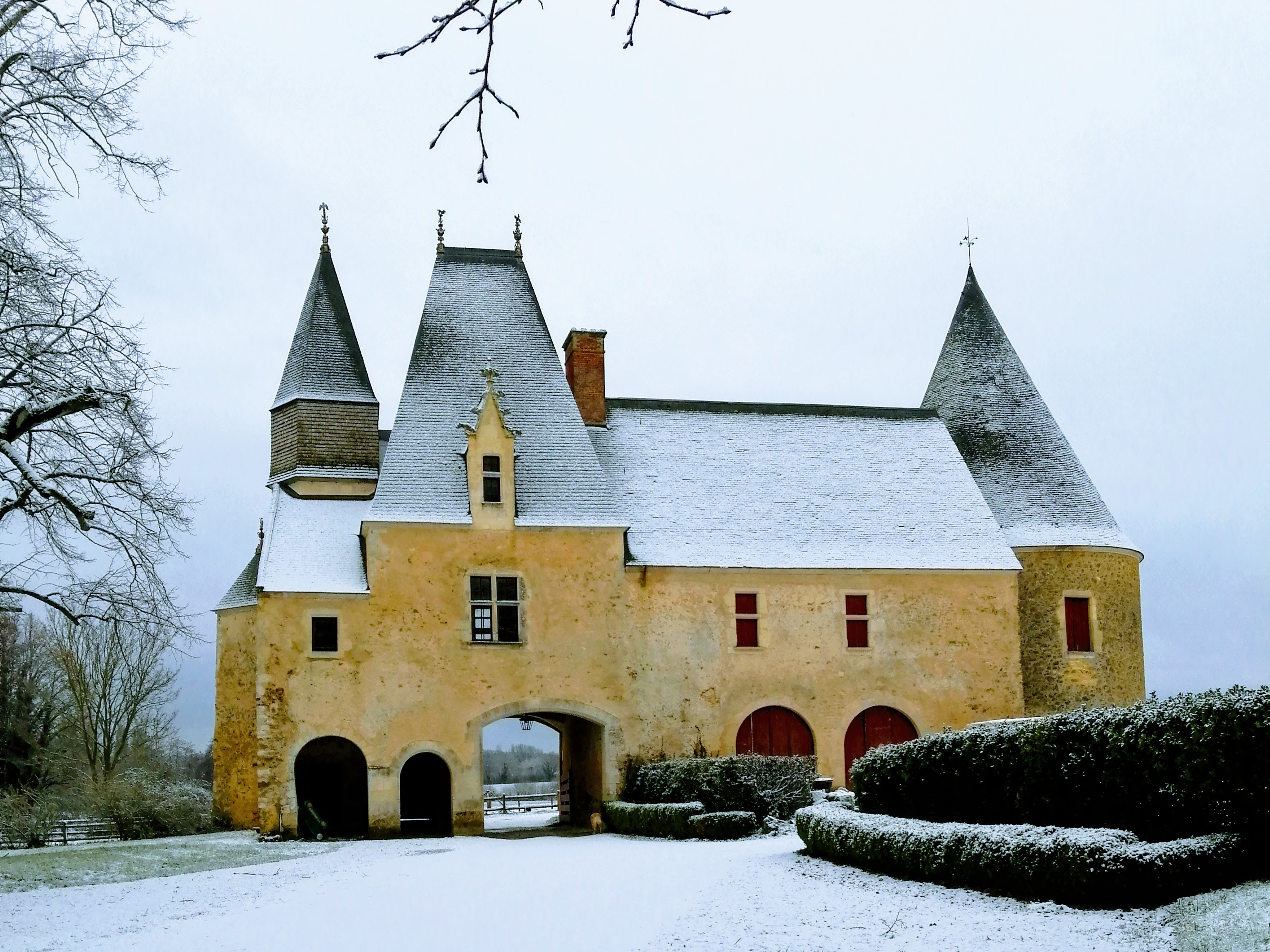
Château du Breuil Yvain

Apr 2, 2025
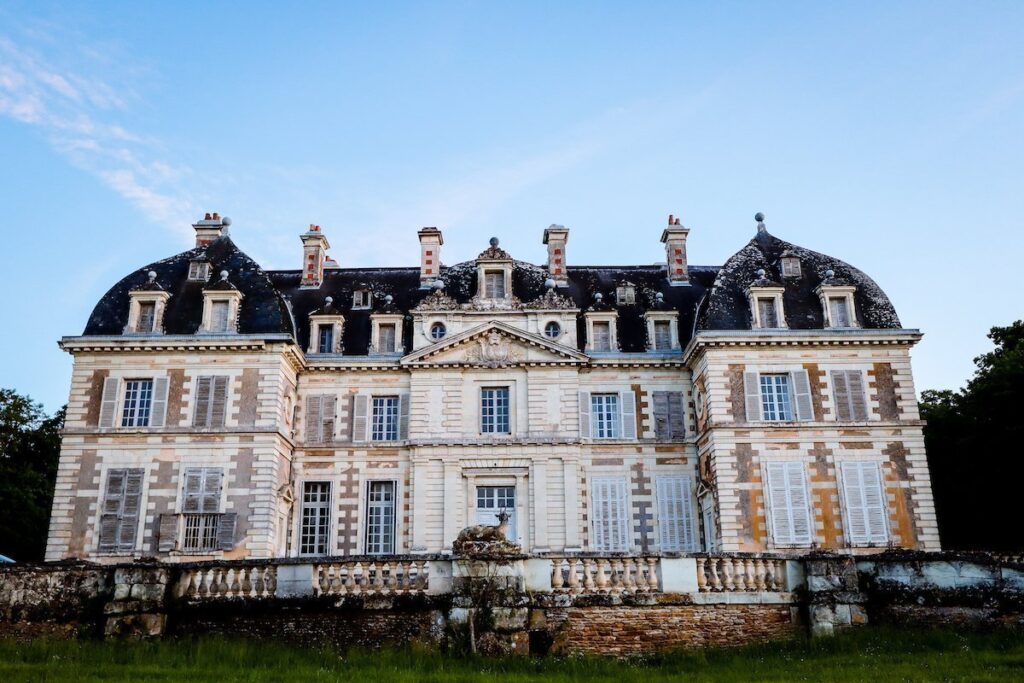
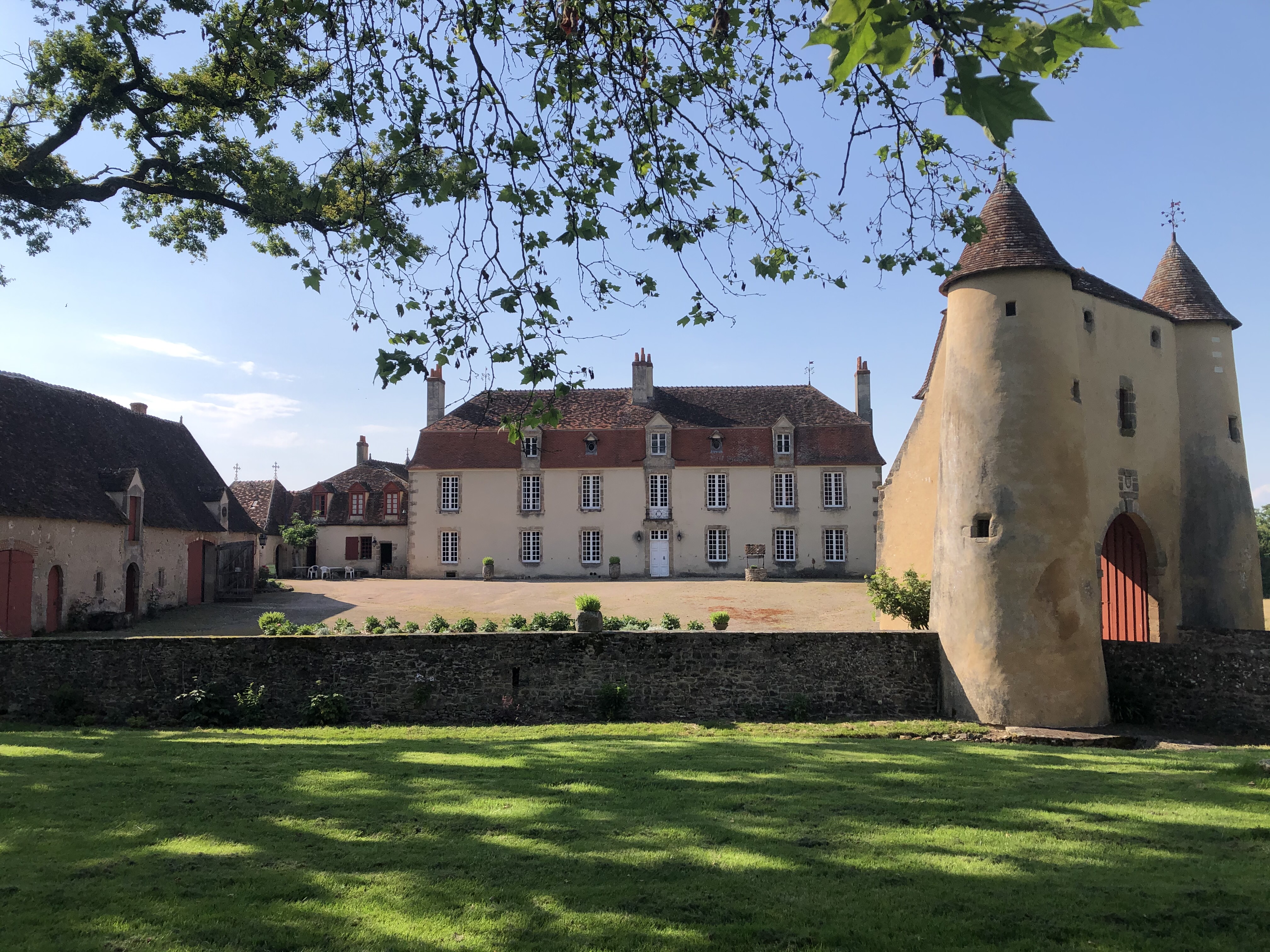
An ancient stronghold dating back to the 13th century, the Château du Breuil Yvain occupied a key defensive position and was further fortified during the Hundred Years’ War. Site History This ancient fortified domain in the lower Berry region dates from the 13th century. Located at the border of the Duchy of Aquitaine, it held […]

Château du Breuil Yvain

April 2, 2025

An ancient stronghold dating back to the 13th century, the Château du Breuil Yvain occupied a key defensive position and was further fortified during the Hundred Years’ War.

Site History

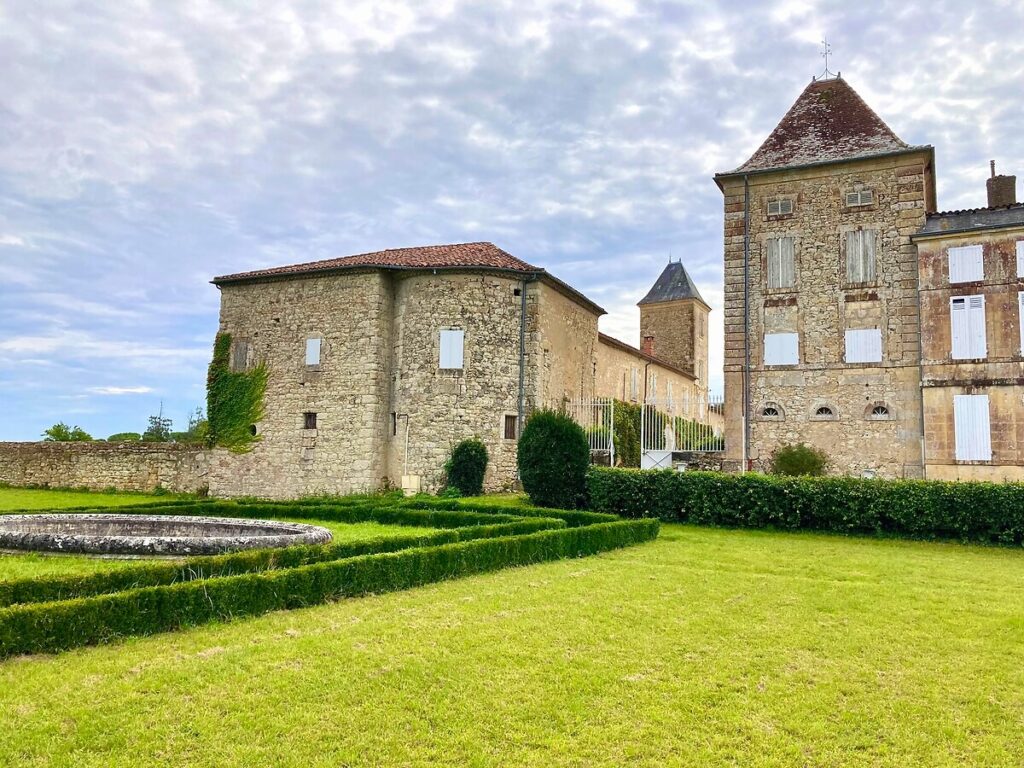
This ancient fortified domain in the lower Berry region dates from the 13th century. Located at the border of the Duchy of Aquitaine, it held an important defensive position along the Creuse river. During the Hundred Years’ War, the King encouraged further fortifications. Constructed in 1450, the chatelet, or fortified gatehouse, dates from this period. A 15th-century postern was subsequently added. Much of the medieval château was destroyed by a fire in the early 18th century, after which a new, more comfortable wing was built in the style of the day, with a classical elegance and grand mansard-style roof.

The current owners are the 20th generation of the same family to own the château. They are overseeing its restoration in order to pass this legacy on to their children and grandchildren.

About the Project

The project concerns the chatelet, built in 1450. Structural problems threaten its strength and durability, necessitating complete restoration of the masonry and rotten or weakened parts of the wooden frame. A testimony to the château’s ancient history, the chatelet stands as an imposing medieval structure beside the more recent 18th-century main building and 15th-century postern.
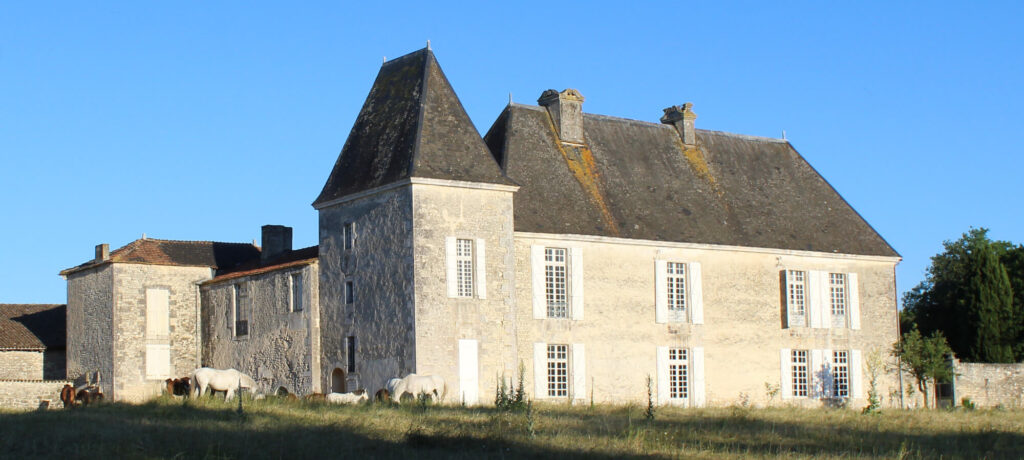
Château du Breuil Yvain Today

The Château du Breuil Yvain was designated a historic monument in 2021. Its beautifully preserved rooms offer visitors a chance to immerse themselves in history. The château was the backdrop for the 1972 movie Mauprat, and it has hosted performances of the Théâtre au Château association. It is expected to reopen in 2026, following completion of a major restoration.  

YMCA-Paris

Apr 2, 2025
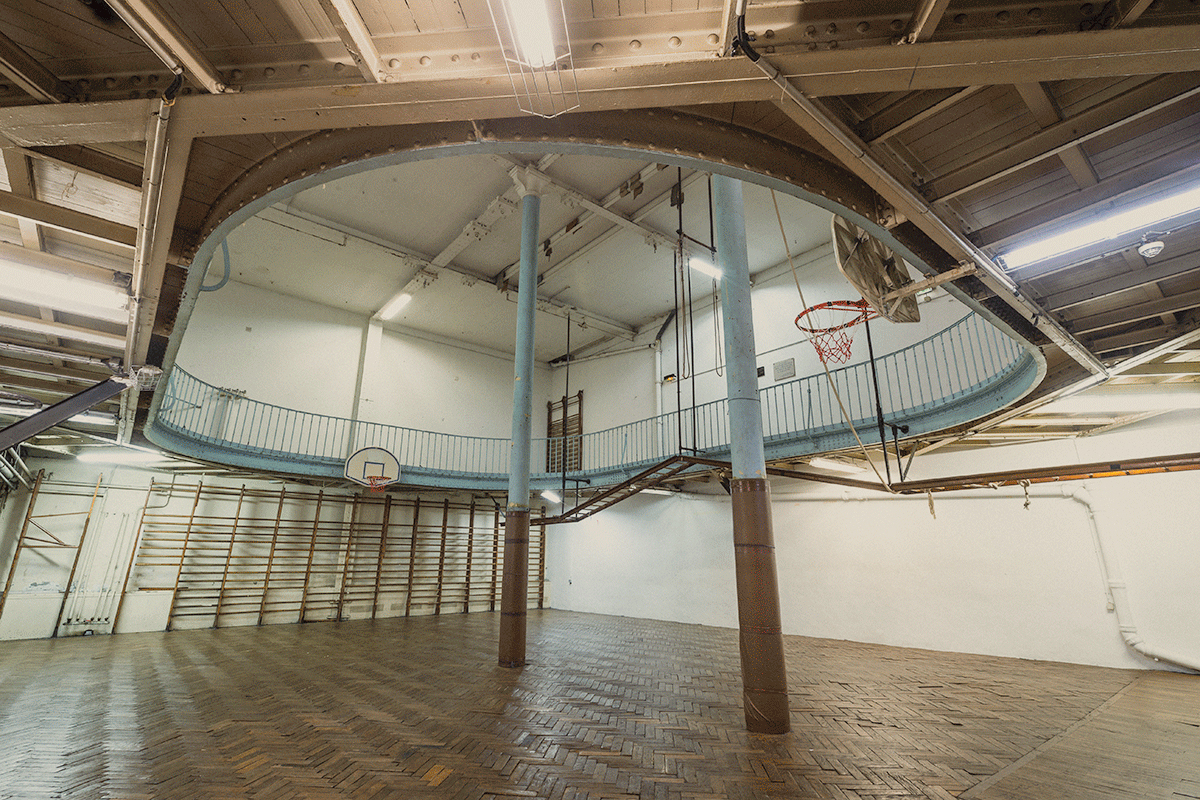
Inaugurated in 1893, the headquarters of the YMCA Paris houses the world’s oldest basketball court in its original state. Site History The YMCA, founded in 1844, fosters the spiritual, intellectual and physical development of young people. Present in 124 countries, this secular association is open to all. The YMCA Paris was founded in 1852. Architect […]
YMCA-Paris

April 2, 2025

Inaugurated in 1893, the headquarters of the YMCA Paris houses the world’s oldest basketball court in its original state.

Site History

The YMCA, founded in 1844, fosters the spiritual, intellectual and physical development of young people. Present in 124 countries, this secular association is open to all. The YMCA Paris was founded in 1852. Architect Émile Bénard, winner of the Grand Prix de Rome in 1867, designed its headquarters at rue de Trévise, inspired by models of American YMCA buildings. Inaugurated on May 7, 1893, the complex brought together in one place, for the first time in France, a gymnasium, a restaurant, a bowling alley, a swimming pool, reception and conference rooms, a concert hall and theater, a library, a billiards room, a hostel and a creamery. The gymnasium is of major heritage interest: It houses the world’s oldest surviving basketball court, which hosted the first basketball game in Europe in 1893.

About the Project

The YMCA Paris has been in need of restoration for decades. Major work will be done for the entire complex, to be undertaken in phases. The first phase includes treatment of the basement, ground floor and first floor of the section containing the gymnasium, theater and reception-bar-patio area; the creation of accessibility and installation of fire safety devices on all parts of the building overlooking the courtyard; rehabilitation of the hostel; and bringing the building up to code.

YMCA Paris Today

A major site in the history of sports and Franco-American relations, the YMCA will be restored in the context of the Summer Olympics in Paris. This restoration is much needed to enhance the site and its facilities and bring them up to code, in order to allow the YMCA Paris to better fulfill its mission: to provide lodging and meals for students and young workers at some of the lowest prices in the city, allowing youth from other parts of France and abroad to transition into Parisian life. It will also enable the YMCA to offer its facilities, including sporting facilities and the 270-seat theater, for use by local cultural associations in addition to organizing its own programming, thus enriching the city’s cultural and community life. 

Château de Magnas

Apr 2, 2025
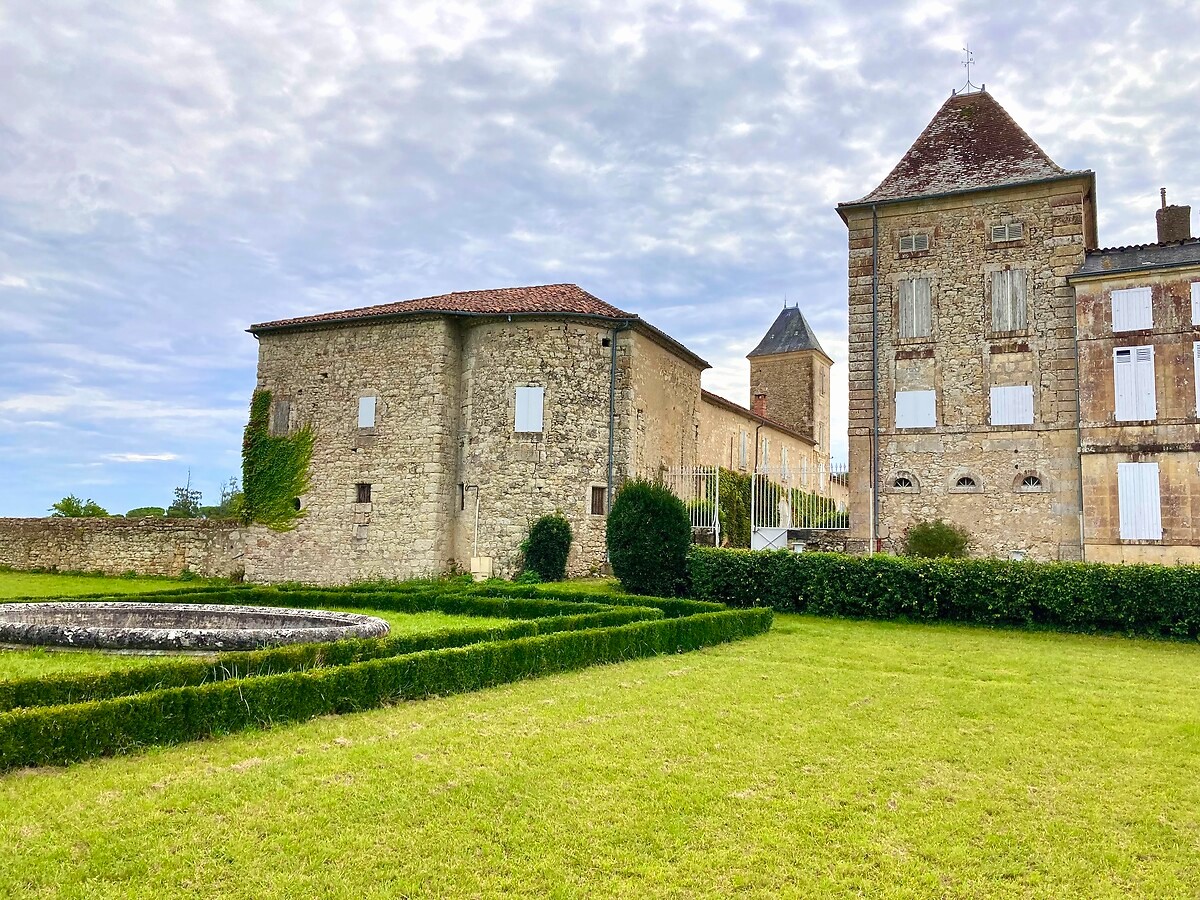
Built on land that has been in the same family since the Middle Ages, the Château de Magnas combines eclectic architectural styles with a constant concern for harmony. Site History The Château de Magnas dates from the 16th century, though extensive alterations were made in the 19th century. On a large vaulted cellar stands a building […]

Château de Magnas

April 2, 2025

Built on land that has been in the same family since the Middle Ages, the Château de Magnas combines eclectic architectural styles with a constant concern for harmony.

Site History

The Château de Magnas dates from the 16th century, though extensive alterations were made in the 19th century. On a large vaulted cellar stands a building pierced with a semicircular door and a window with crosspiece and mullion, flanked by a circular tower that overlooks the formerly French-style gardens. The current château borders a square courtyard, flanked by two square towers, with a chapel to the south. A porch located between the chapel and the stables makes it possible to circumvent the château. The western section, on the garden side, was remodeled or built by Hector de Galard at the end of the 19th century. It is bordered by a terrace overlooking the valley below. The first outbuildings, constructed at the end of the 16th century, were restored by the renowned architect Clément Parent at the end of the 19th century. The orangery was built in 1840. 

Today, the imprint of the 19th-century architecture is inseparable from the identity of this property, which has been in the same family since the 15th century and saw Henri IV ride up its alley of oaks. Gustave de Galard (1779–1841), a celebrated regionalist painter, grew up there.

About the Project

The project includes the urgently needed restoration of the roof and wooden support frames of the central body of the château. Additional work is required on the east round tower and pinion, and to consolidate major support beams in the outbuildings.

Château de Magnas Today

The owner has undertaken three projects to increase public access to the site. The first is to become a full member of the European Route of d’Artagnan, a certified Council of Europe Cultural Route, and register as a hosting site in the region. The second is to welcome families for “Musketeer Escapades,” unique country parties around the theme of d’Artagnan. Third, the château will offer company employees a break from their daily lives by organizing special activities that allow them to reconnect with themselves, with nature and with others.

Château de la Faucille

Apr 2, 2025
Built with local materials in the 17th century, the Château de la Faucille looks onto terraced gardens descending toward the Oudon river.  Site History Located at the crossroads of Brittany, Mayenne and Anjou, the Château de la Faucille is built on the remains of an old fortified château. It has been listed as a historic […]

Château de la Faucille

April 2, 2025

Built with local materials in the 17th century, the Château de la Faucille looks onto terraced gardens descending toward the Oudon river. 

Site History

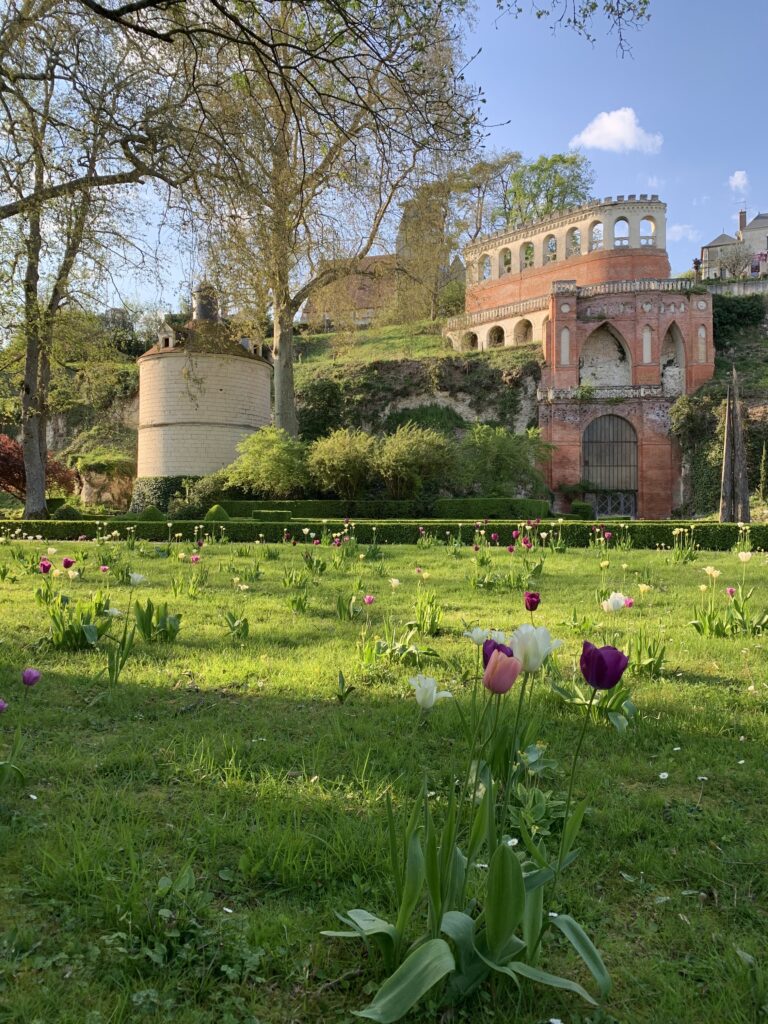
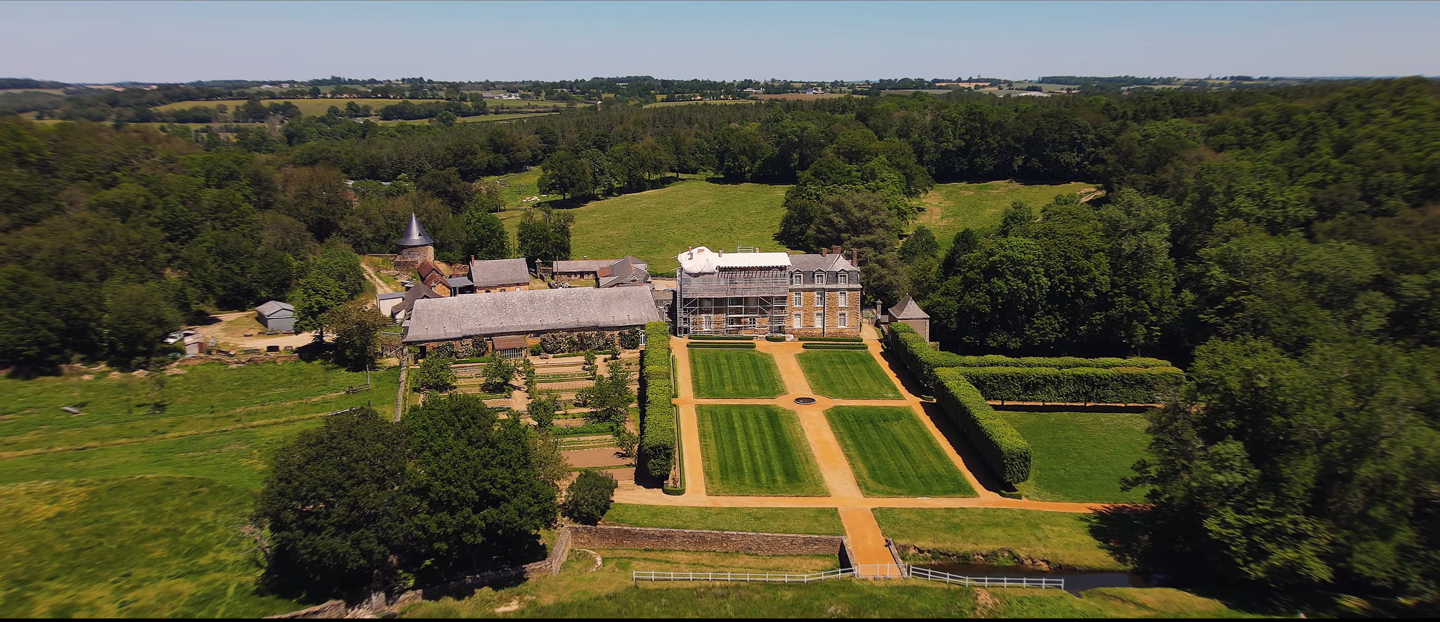
Located at the crossroads of Brittany, Mayenne and Anjou, the Château de la Faucille is built on the remains of an old fortified château. It has been listed as a historic monument since 1972. The château was built in the 17th century using local red schist and tuffeau. It includes various outbuildings, a grotto and a chapel, where the abjuration of Pierre de la Faucille took place in 1686. To the south, terraced gardens descend toward the Oudon river. The upper terrace includes a large vegetable garden and an orangery. The château has been in the hands of the Boberil family since the 1950s.

About the Project

The restoration project concerns the early 18th-century roof, lanterns and cornices. The owner views the restoration as a means to keep alive building traditions and artisanal skills. He highlights the work of the skilled craftspeople involved at every stage, including stonemasons, carpenters and roofers, who contribute to the transmission of know-how through apprenticeships on-site. This passing down of knowledge is in keeping with the traditions of their predecessors from the 17th and 18th centuries, whose craftsmanship can still be seen in the quality of the stonework and woodwork. 

Château de la Faucille Today

The château receives visitors from June to October and offers a number of cultural activities. As part of the restoration, craftspeople come to train on-site. One carpenter told the owner that he enjoyed going to this site because he had the impression, coming to La Faucille every morning, of arriving at a “little paradise, a bit out of time.”

Château de Balzac

Apr 2, 2025
The hermitage of the writer Jean-Louis Guez de Balzac, this 17th-century château also hosted Marie de Médicis following her escape from exile. Site History Located in the town of Balzac and built on the banks of the Charente, this 17th-century château and its park recall the memory of Jean-Louis Guez de Balzac (1597–1654), the famous […]

Château de Balzac

April 2, 2025

The hermitage of the writer Jean-Louis Guez de Balzac, this 17th-century château also hosted Marie de Médicis following her escape from exile.

Site History

Located in the town of Balzac and built on the banks of the Charente, this 17th-century château and its park recall the memory of Jean-Louis Guez de Balzac (1597–1654), the famous Charente writer who made it his hermitage. Marie de Médicis, mother of Louis XIII, stayed for six months at the Château de Balzac. Locked up in the Château de Blois by order of the King, she escaped with the help of the Duke of Épernon, godfather of Jean-Louis Guez. He welcomed her to his château, where she stayed from March 4 to August 29, 1619. The current owners rescued the château from ruin and have been restoring it over the past 50 years.

About the Project

The project includes the urgent restoration of the north and east façades of the château, as well as the stables and the north tower. The family has been restoring the château for half a century, and they require aid in order to continue to undertake the necessary restorations to preserve the estate.

Château de Balzac Today

The château welcomes visitors to discover its painted decorations from the 17th century, which have regained their splendor since their restoration in June 2022. It is open to the public from July to August, and the owners offer a daily guided tour of the interior. Highlights of the tour include a large vaulted room with unique acoustics from the 12th–13th century, a 17th-century living room renovated with curved woodwork in the 18th century and 17th-century frescoes. Other notable features of the estate include a paved courtyard, a well, a 17th-century wrought-iron entrance gate, 18th-century colonnades, a 17th-century Charente porch and a Romanesque church from the 12th–13th century.

Château de Fontariol

Apr 2, 2025
Rescued from a state of ruin in the 1980s, the Château de Fontariol is an authentic example of a Bourbonnais knight’s château from the Middle Ages. Site History Fontariol is a small Bourbonnais knight’s château from the end of the Middle Ages. Modest and rustic, it was likely built between 1450 and 1550. The transformations […]

Château de Fontariol

April 2, 2025

Rescued from a state of ruin in the 1980s, the Château de Fontariol is an authentic example of a Bourbonnais knight’s château from the Middle Ages.

Site History

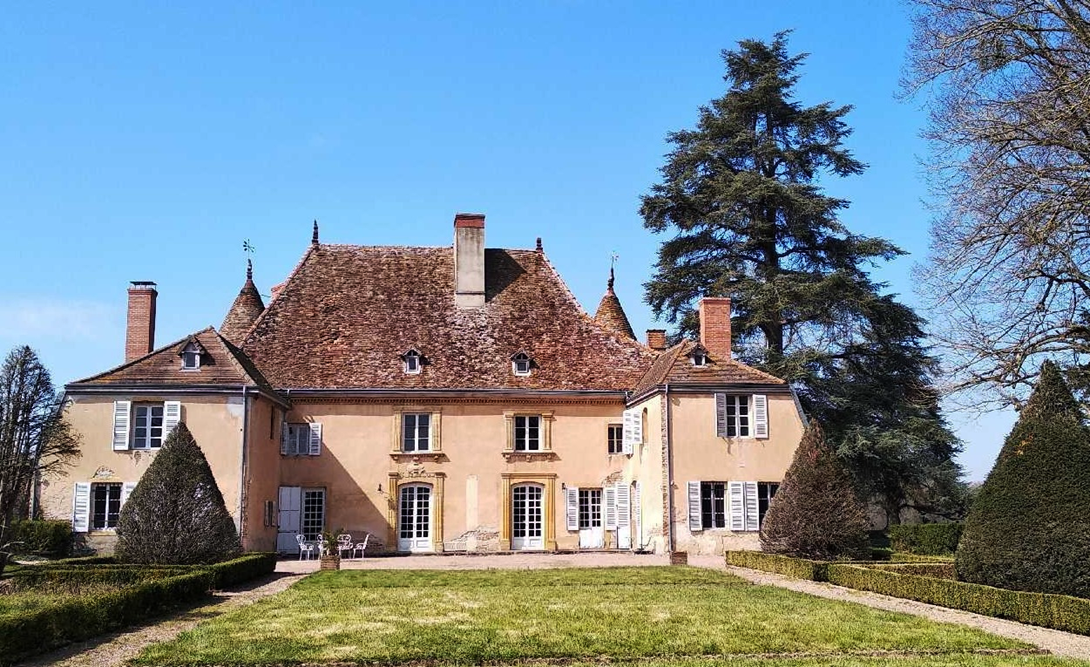
Fontariol is a small Bourbonnais knight’s château from the end of the Middle Ages. Modest and rustic, it was likely built between 1450 and 1550. The transformations it underwent in the 18th century were minor, unlike most houses of this style and period. Together with the 18th-century agricultural buildings that surround it, it forms an entirely enclosed ensemble representative of a small Bourbon stronghold. 

Different noble families inhabited the château before the Revolution. Part of the manor was transformed at the end of the 18th century under the ownership of Marguerite de Louan, who, in 1775, left Fontariol to her cousin Charles de Biotieres de Chassincourt, Marquis de Tilly and Brigadier General of the Armies of the King under Louis XVI. In the 19th century, the château became a farm, jointly owned by the Boucomont and Meilheurat families. These two families kept Fontariol as a farm until the end of the 1960s. The estate was in a state of peril by 1987, when it was purchased, saving it from ruin.

About the Project

The restoration project concerns the 15th-century wing of the manor house, including masonry, carpentry, the wooden frame and the roof. This will make the wing accessible, in keeping with the continual restoration of all parts of this former agricultural domain.

Château de Fontariol Today

This now-preserved rural estate hosts cultural activities such as concerts, theater productions and an open-air cinema in the lower courtyard. A cultural association was created in 2018 to further develop these activities. Future plans to promote local tourism include renting out the stateroom and stables for events, opening a bed and breakfast and rural inn, and organizing bike tours of the region.

Grand Palais

Apr 2, 2025
One of the iconic monuments of Paris, the Grand Palais serves as a major cultural venue, hosting prominent events in the heart of the city. Site History Built for the 1900 Exposition Universelle, the Grand Palais has become one of Paris’s iconic monuments. The whole building was constructed utilizing stone, steel and glass; the framework […]

Grand Palais

April 2, 2025

One of the iconic monuments of Paris, the Grand Palais serves as a major cultural venue, hosting prominent events in the heart of the city.

Site History

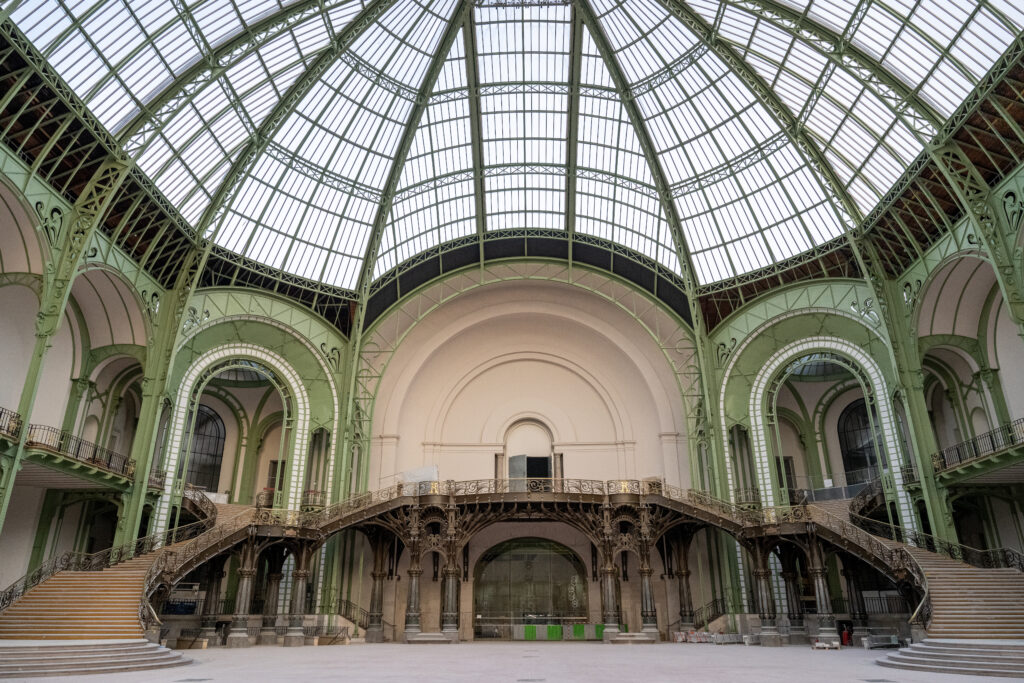
Built for the 1900 Exposition Universelle, the Grand Palais has become one of Paris’s iconic monuments. The whole building was constructed utilizing stone, steel and glass; the framework required 8,500 tons of steel—more than the amount used to build the Eiffel Tower. The Grand Palais was one of the first buildings to utilize steel over such a large area, and it ushered in the modern era of innovative construction materials and techniques. The architects selected 40 contemporary artists to produce statues, ceramic and mosaic friezes, and ornaments and other final embellishments, including gilded and bronze works.

In March 2021, after a hectic century of activity, the Grand Palais closed its doors to undergo its most extensive restoration ever. The work will continue until the 2024 Olympic and Paralympic Games, when the nave and surrounding galleries will host the fencing and taekwondo competitions. Further work will continue through 2025, in particular for the Palais de la découverte.

About the Project

The gilding of the rotunda of the Palais de la découverte and certain decorative elements of the Salon d’Honneur of the nave will be restored with gold leaf to regain their former majesty. In the rotunda, this includes the pillars featuring allegorical sculptures, the bronze railings of the balconies, and the gilded trophies repeating motifs of flowers and plants. In the nave, the gold leaf restoration will address elements of the railing of the staircase of the Salon d’Honneur and the letters “RF” (République Française).

A masterpiece of metallurgy, the Grand Palais is also an architecture of light and radiance. The Grand Palais restoration campaign is an opportunity to rediscover gilding and bronzes that have been damaged by the passage of time. Leveraging the know-how and skills of prestigious restoration workshops, this project aims to restore radiance to this emblematic monument. It will serve to highlight the artistry and innovation of France’s finest artisans, much as it did when the palace was first inaugurated for the 1900 World’s Fair.

The Grand Palais Today

The current restoration project is a showcase for skilled artisans and the continuation of traditional craftsmanship, also known as patrimoine vivant, or living heritage, transmitted from one generation to the next. Once fully restored, the complex will regain a clarity of layout and purpose. A major cultural venue for prominent national and international events in the heart of Paris, the Grand Palais will continue to host some of the most prestigious events in the capital, from major exhibitions and sporting events to craft fairs and more.

Château de Prye

Mar 28, 2025
The Château de Prye is distinguished by its majestic park and sumptuous stables featuring marble-paneled stalls.  Site History The Château de Prye is an impressive residence dating back to the Middle Ages. In the 17th century, it was owned by the Queen of Poland. Situated within an extensive estate classified as a historic monument, the […]

Château de Prye

March 28, 2025

The Château de Prye is distinguished by its majestic park and sumptuous stables featuring marble-paneled stalls. 

Site History

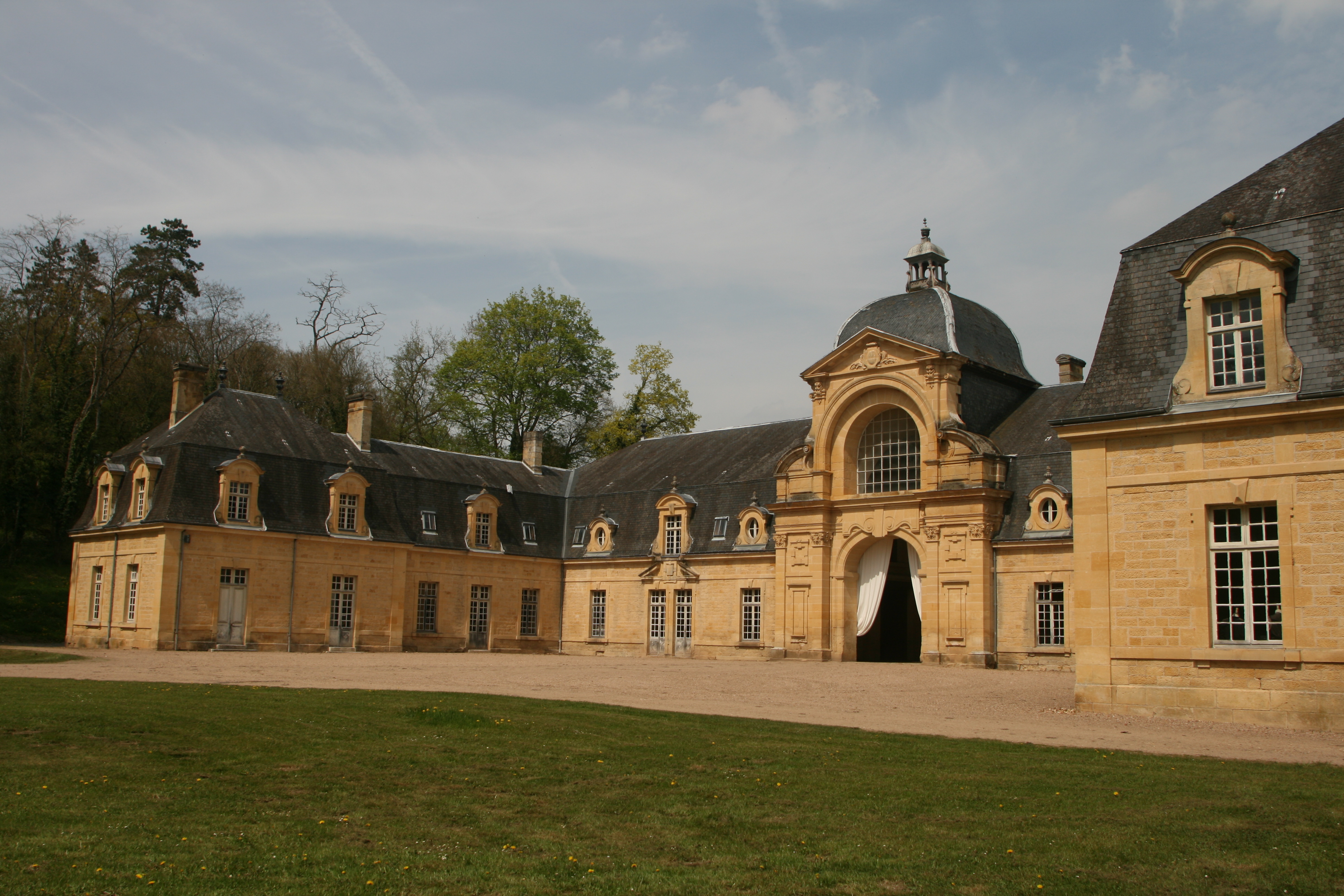
The Château de Prye is an impressive residence dating back to the Middle Ages. In the 17th century, it was owned by the Queen of Poland. Situated within an extensive estate classified as a historic monument, the château is encompassed by seven kilometers of protective walls. The existing park, designed by Édouard André and Henri Duchêne, boasts a history of 150 years. Notably, the château’s stables feature unique marble paneling, making them one of a kind in France. 

The stables of the Château de Prye were constructed in 1887 for Antonin du Bourg de Bozas, a former equerry of Napoleon III and a renowned supporter of the equestrian arts. The main stable building comprises three wings interconnected by a central pavilion, which has an imperial-style dome inspired by the baptismal gate of the Fontainebleau Castle. The layout of the structure revolves around a spacious hall, designed to accommodate horse-drawn carriages. The building includes a luxurious gallery adorned with nine marble-paneled stalls and an indoor riding arena. 

About the Project

Since acquiring the property in 1990, the current owners have implemented several projects to enhance the value of the stables. The existing structures of the dome are concerning: the poplar planks have warped, posing a threat to the Philibert Delorme framework. The bell tower has sagged due to imbalance, and metal sheets have been installed as a temporary covering for the riding arena, replacing the slate roofing, in order to preserve the building. The annex no longer has a roof or framework; only the walls remain, and the joinery is practically nonexistent.

The restoration work aims to restore the stable building by addressing the roofing and framework of the central section, dome, riding arena and annex stables, including masonry repairs to the southern façade. It encompasses restoration of the large glass windows and the interior gallery of the stalls, as well as restoration of the annexes and the vaulted ceiling in the central hall.

Château de Prye Today

Once the stables are restored, owners Antoine-Emmanuel and Magdalena du Bourg de Bozas aim to further develop tourism and cultural activities centered around equestrian pursuits, particularly driving four-horse carriages. In addition to hosting horses and riders, they plan to organize equestrian competitions and other large-scale events to showcase their passion to a broader audience. Plans include renovating the first floor to expand accommodations and hosting a cultural program centred around living heritage, including equestrian arts, falconry, music, singing, artisan crafts, literature and more. 

Chapelle de Sainte-Marie-aux-Anglais

Feb 24, 2025
Constructed around 1140, the Chapel of Sainte-Marie-aux-Anglais has remarkably retained its original form, offering a rare glimpse into medieval ecclesiastical design.  Site History Situated in the Norman countryside near Le Mesnil-Mauger, France, the Chapel of Sainte-Marie-aux-Anglais is a remarkable example of 12th-century Norman architecture. The interior walls are adorned with 13th-century murals depicting scenes from […]

Chapelle de Sainte-Marie-aux-Anglais

February 24, 2025

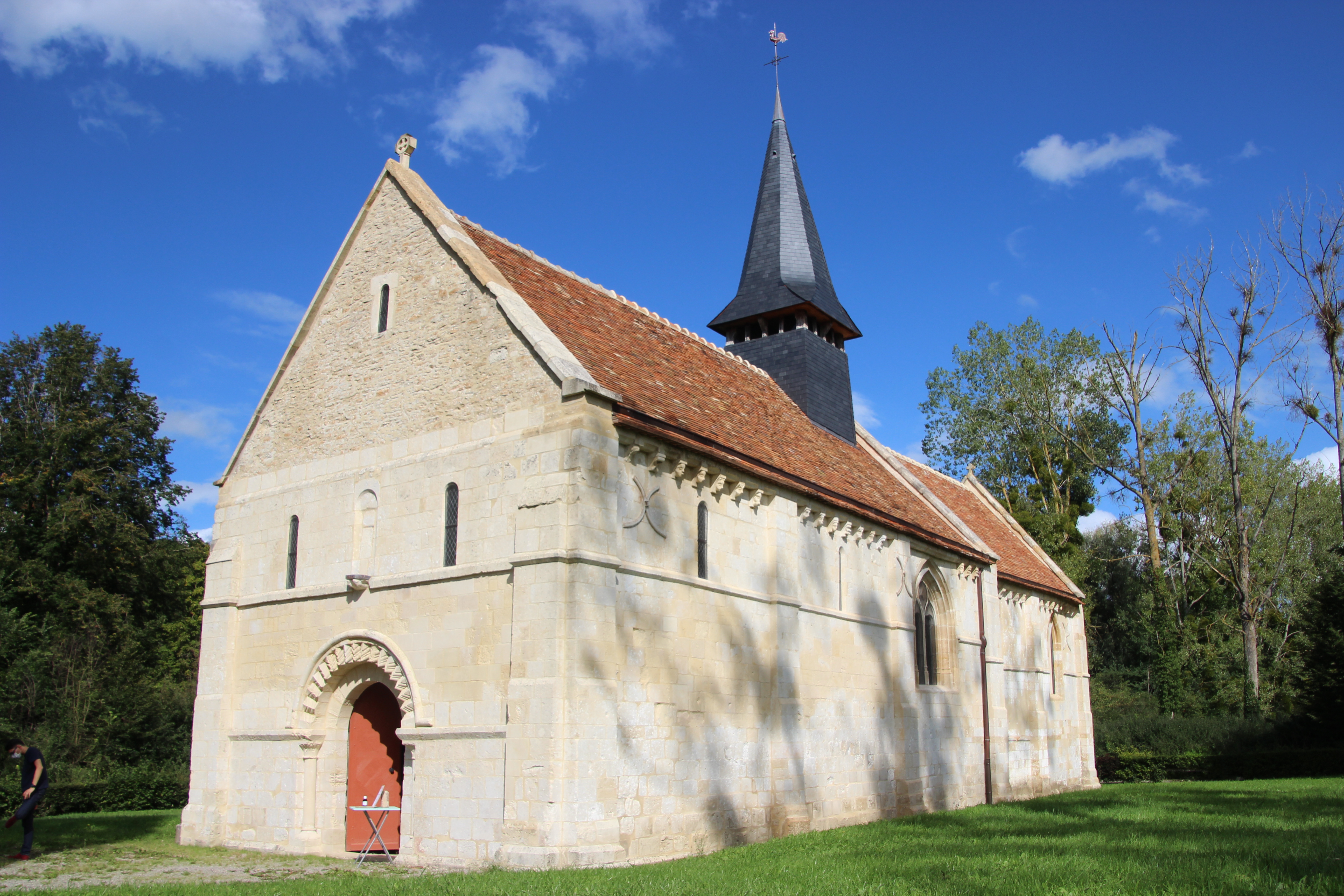
Constructed around 1140, the Chapel of Sainte-Marie-aux-Anglais has remarkably retained its original form, offering a rare glimpse into medieval ecclesiastical design. 

Site History

Situated in the Norman countryside near Le Mesnil-Mauger, France, the Chapel of Sainte-Marie-aux-Anglais is a remarkable example of 12th-century Norman architecture. The interior walls are adorned with 13th-century murals depicting scenes from the lives of Jesus and the Virgin Mary, as well as the murder of Thomas Becket and a castle under attack by neighboring peasants. These paintings serve not only as artistic masterpieces but also as educational tools reflecting the medieval worldview. 

In the 17th and 18th centuries, the chapel functioned as a parish church under the Diocese of Lisieux. However, by 1836, parishioners sought to join more-accessible churches, leading to the chapel’s desacralization and subsequent neglect. 

About the Project

Recognized as a historic monument in 1910, the chapel has undergone several restoration efforts to preserve its structural integrity and artistic heritage. In 2017, significant work was undertaken to restore the bell tower, including the delicate process of lifting the shaft for repairs. In 2024, French Heritage Society, together with the William T. Kemper Foundation, supported the restoration of the chapel’s nave. The ongoing restoration efforts focus on preserving the chapel’s unique architectural features and invaluable murals. In addition, a comprehensive study of the paintings has been conducted, including high-resolution photography, to inform future conservation strategies. 

Chapelle de Sainte-Marie-aux-Anglais Today

Today, the chapel stands as a testament to medieval Norman architecture and art. Its well-preserved state offers visitors a rare opportunity to experience the ambiance of a 12th-century place of worship, complete with original murals and architectural details. The ongoing restoration ensures that this historical gem remains accessible for future generations to appreciate and study.

Abbaye de La Lucerne d’Outremer

Feb 24, 2025
The Abbaye de La Lucerne, an exemplar of medieval Premonstratensian architecture, offers a rare glimpse into monastic life from the 12th century onward. Site History Nestled in a lush Norman landscape, the Abbaye de La Lucerne is a remarkable example of medieval Premonstratensian architecture in France. Thanks to significant restoration work over the past half […]

Abbaye de La Lucerne d’Outremer

February 24, 2025

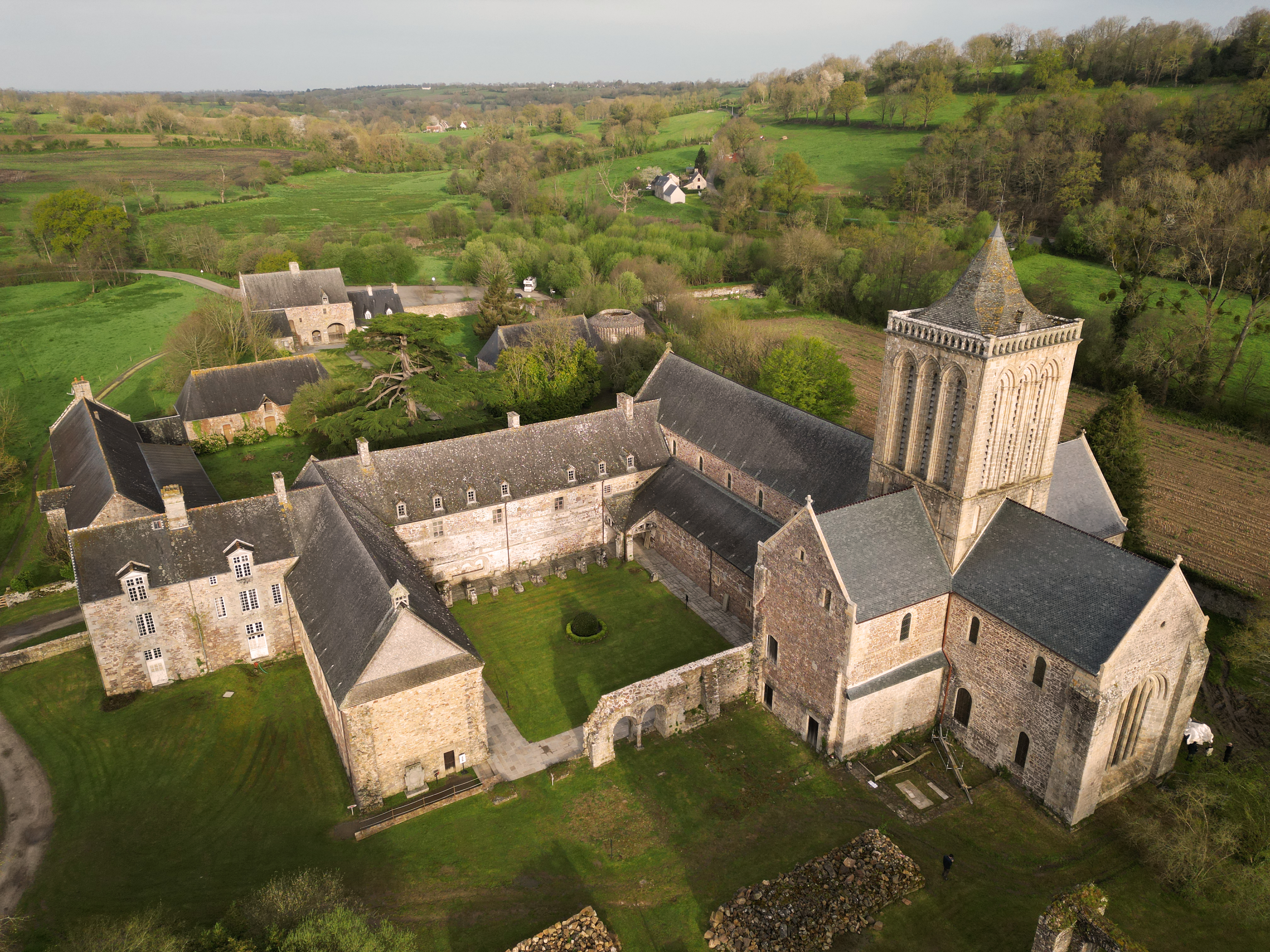
The Abbaye de La Lucerne, an exemplar of medieval Premonstratensian architecture, offers a rare glimpse into monastic life from the 12th century onward.

Site History

Nestled in a lush Norman landscape, the Abbaye de La Lucerne is a remarkable example of medieval Premonstratensian architecture in France. Thanks to significant restoration work over the past half decade, it offers a rare glimpse into monastic life from the 12th century onward. The abbey was listed as a historic monument in 1928. Its luminous architecture, serene surroundings and long history of restoration make it a site of both spiritual reflection and cultural heritage.

About the Project

The abbey has undergone significant preservation efforts since 1959. The current project marks the third major restoration in its history. It encompasses conservation of the abbey’s historic buildings, including the 15th-century guest house, the 17th-century priory and tithe barns, and the 18th-century abbot’s residence, as well as the vegetable and flower gardens. The project extends to structural restoration of the abbey church’s tiled floors and plaster walls, along with the reconstruction of the east convent walls and the 18th-century cloister.

The Abbey Today

Throughout its history, the abbey has been a place of devotion and intellectual exchange. Today, it continues to serve as a center for spiritual retreats, liturgical celebrations and religious festivals organized by the Fraternity of the Abbey of La Lucerne. The restoration project will further transform the site into a green community, dedicated to social, educational, artistic and spiritual activities. In addition to hosting training programs and creative workshops, the abbey will offer artist residencies for musicians, composers, painters and sculptors. Visitors of all ages will find a sanctuary for prayer, contemplation and the timeless beauty of Gregorian chants.

Musée du Louvre

Feb 24, 2025
A masterpiece of 17th-century French architecture, the summer apartments of Anne of Austria, mother of Louis XIV, now serve as an exhibition gallery within the Louvre, blending royal history with artistic heritage. Site History The summer apartments of Anne of Austria, mother of Louis XIV, were designed by architect Louis Le Vau between 1655 and […]

Musée du Louvre

February 24, 2025

A masterpiece of 17th-century French architecture, the summer apartments of Anne of Austria, mother of Louis XIV, now serve as an exhibition gallery within the Louvre, blending royal history with artistic heritage.

Site History

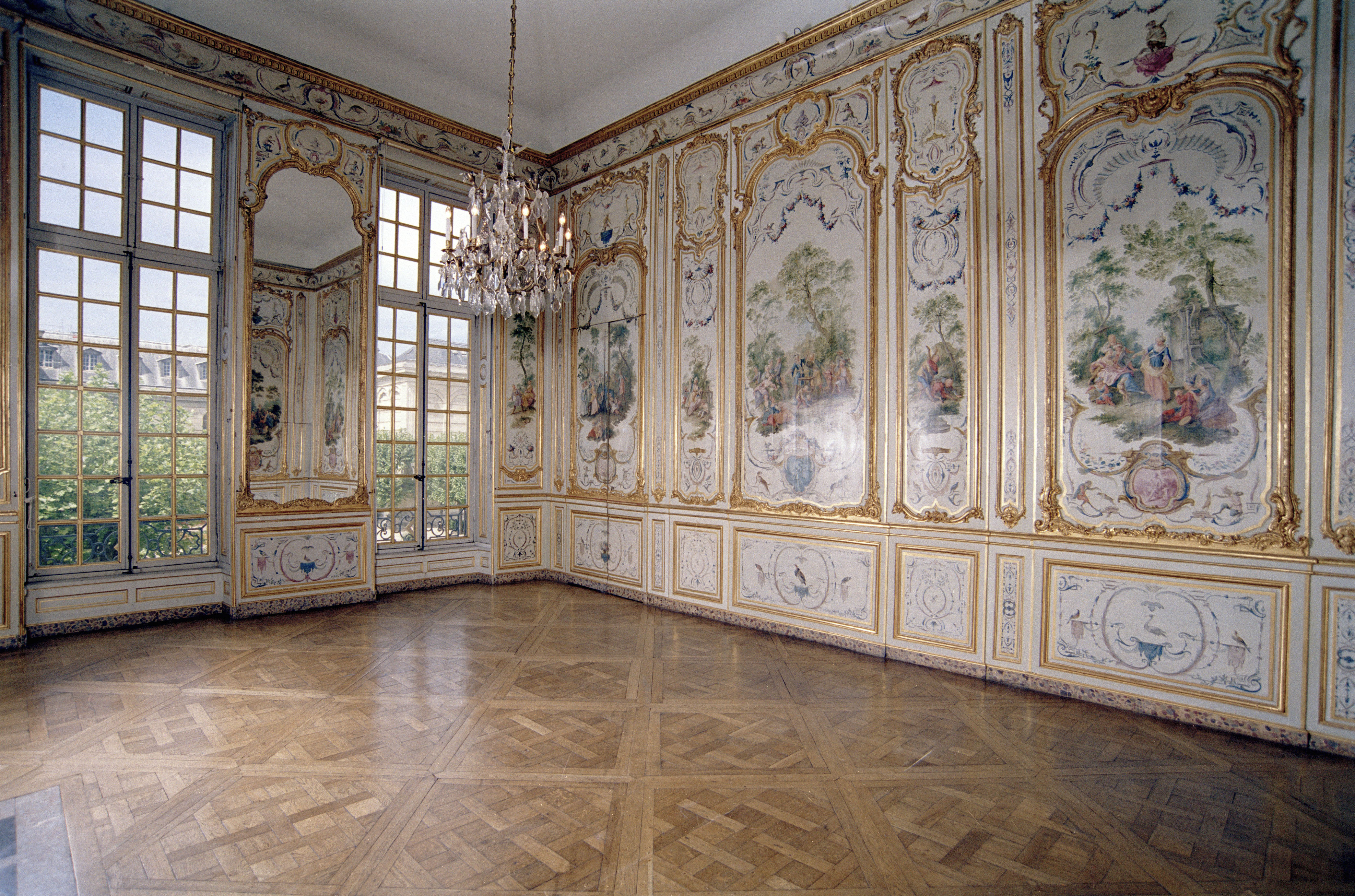
The summer apartments of Anne of Austria, mother of Louis XIV, were designed by architect Louis Le Vau between 1655 and 1658. Situated on the ground floor of what is now the Louvre’s Petite Galerie, the apartments originally comprised a grand salon, an antechamber (now the Hall of Seasons), a vestibule (now the Salon of Peace), a grand cabinet, a parade bedroom and a small cabinet—now unified into a single exhibition space.

This historically significant residence, once occupied by Catherine de Médicis before becoming Anne of Austria’s summer retreat and later housing Louis XIV, bears witness to centuries of French royal history. The influence of Le Vau’s architectural vision, combined with Romanelli’s Italianate frescoes and Anguier’s sculptural mastery, underscores the grandeur of the apartments. Following the French Revolution, the rooms were repurposed as the Gallery of Antiquities, displaying Greek, Etruscan and Roman artifacts. 

In 2024, the apartments hosted the prestigious exhibition Masterpieces from the Torlonia Collection, featuring one of the world’s most important private collections of ancient sculpture, reinforcing their status as a link between past and present.

About the Project

Restoration work aims to stabilize and enhance the original decorative elements, from frescoes to stucco reliefs, safeguarding them against structural wear and environmental deterioration. These efforts ensure that the apartments continue to serve as an exceptional setting for historical and artistic exhibitions.

The Apartments Today

Now an integral part of the Louvre’s exhibition spaces, the apartments remain dedicated to displaying classical antiquities, offering visitors an immersive experience that bridges the grandeur of French royal heritage and the richness of ancient art.

Abbaye de Cîteaux

Feb 19, 2025
The founding house of the Cistercian Order, the Abbaye de Cîteaux remains a center of monastic life and a testament to the order’s enduring legacy. Site History & Significance Founded in 1098 by a group of Benedictine monks led by Saint Robert of Molesme, the Abbaye Notre-Dame de Cîteaux became the cradle of the Cistercian […]

Abbaye de Cîteaux

February 19, 2025

The founding house of the Cistercian Order, the Abbaye de Cîteaux remains a center of monastic life and a testament to the order’s enduring legacy.

Site History & Significance

Founded in 1098 by a group of Benedictine monks led by Saint Robert of Molesme, the Abbaye Notre-Dame de Cîteaux became the cradle of the Cistercian Order. The abbey’s austere architecture and devotion to simplicity shaped the movement that spread across Europe and United States, influencing religious and economic life through its network of daughter houses. During the Middle Ages, the abbey flourished as a center of learning and agricultural innovation, renowned for its scriptorium and illuminated manuscripts. However, it suffered significant losses during the French Revolution, with many of its structures dismantled or repurposed. 

About the Project

The définitoire, an essential space within the abbey, served as a gathering place for decision-making among the Cistercian leadership. Over centuries, exposure to humidity and structural shifts have led to the deterioration of its walls, woodwork and plaster. The current restoration project aims to stabilize and preserve this historically significant room, ensuring it continues to reflect the abbey’s profound spiritual and architectural heritage.

Work includes reinforcement of the timber framework, restoration of decorative elements and treatment of materials to prevent further degradation. By safeguarding this space, the project contributes to the broader effort of preserving Cîteaux’s monastic legacy for future generations.

Abbaye de Cîteaux Today

Nestled in the serene landscape of Burgundy, the Abbaye de Cîteaux remains an active monastery, home to a small community of monks dedicated to prayer, work and hospitality. It welcomes visitors interested in its rich history and spiritual traditions. The abbey is particularly known for its cheese production, which follows traditional Cistercian methods. Guided tours allow visitors to explore the historic buildings, including the restored définitoire, providing insight into the daily life of the monks and the abbey’s centuries-old mission of contemplation and stewardship.

Château de Servigny

Feb 12, 2025
Constructed in the 16th century, the Château de Servigny hosted the signing of the Treaty of Servigny at the end of World War II, formalizing the German surrender of the region. Site History & Significance The Château de Servigny is a landmark in the history of the Second World War. Built in the 16th century […]

Château de Servigny

February 12, 2025

Constructed in the 16th century, the Château de Servigny hosted the signing of the Treaty of Servigny at the end of World War II, formalizing the German surrender of the region.

Site History & Significance

The Château de Servigny is a landmark in the history of the Second World War. Built in the 16th century and completely remodeled in the 19th, it served as a command post for American Major General James Lawton Collins, Commander of the Seventh Army Corps, during the Normandy landings. The château’s Surrender Room was the site of the signing of the Treaty of Servigny, also known as the Surrender of Cherbourg, which formalized the surrender of the German general in charge of the region.

About the Restoration Project

The FHS grant supports the restoration of the château’s roof and framework.

Château de Servigny Today

The Château de Servigny, also known as the Château de la Paix, has organized a series of peace-focused events for young people since 2014. These initiatives include the creation of a Mosaic of Peace under the patronage of UNESCO; the establishment of a Palm Grove of Peace; and the design of Memory and Peace Circuits for students visiting significant Norman D-Day sites. In June 2024, the château hosted a luncheon as part of the ceremonies commemorating the 80th anniversary of the Allies’ landing in Normandy, with guests of honor addressing an audience of over 300 young people to discuss the transmission of their legacies and memories and the pursuit of peace.

Logis de Moullins

Feb 12, 2025
A noble residence built between the 12th and 16th centuries, the Logis de Moullins comprises a complex of buildings that reflect its architectural evolution. Site History & Significance The Logis de Moullins is a noble residence built between the 12th and 16th centuries, and its various buildings catalogue the architectural changes made during that period. […]

Logis de Moullins

February 12, 2025

A noble residence built between the 12th and 16th centuries, the Logis de Moullins comprises a complex of buildings that reflect its architectural evolution.

Site History & Significance

The Logis de Moullins is a noble residence built between the 12th and 16th centuries, and its various buildings catalogue the architectural changes made during that period. The aula, built around 1300, is a large ceremonial hall that was meant to welcome prestigious visitors and further the tradition of vassalage. Today, this building is the last surviving example in France of a single-story basilica-plan hall with a central nave and two aisles.

About the Restoration Project

The owners of the Logis de Moullins have dedicated their lives to the restoration of this historic property. The current project involves repairing the roof of the aula and securing the walls to reinforce the structure as a whole, ensuring that it doesn’t deteriorate further.

Logis de Moullins Today

The Association of Friends of the Medieval Domain of Moullins assists the owners in organizing cultural events. The estate welcomes student groups to introduce them to the organization of life in the Middle Ages. It also hosts highly popular annual events, including the “Reading to Animals” festival, and participates in European Heritage Days.

After 37 years of research, the Friends of the Medieval Domain of Moullins, in collaboration with the owners, are working on a comprehensive book on the history, architecture and archaeological analysis of Moullins. The book is intended for both specialists and the general public, with numerous photographs, plans and sections to enhance understanding.

Église Notre-Dame de Carentan

Feb 12, 2025
A treasure trove of Norman religious architecture, the Notre-Dame de Carentan church showcases stained-glass windows from the 15th, 16th, 19th and 20th centuries, along with a magnificent 16th-century chapelle du Rosaire. Site History & Significance Situated in the heart of the Marais Poitevin Regional Natural Park, the Église Notre-Dame de Carentan holds a strategic position […]

Église Notre-Dame de Carentan

February 12, 2025

A treasure trove of Norman religious architecture, the Notre-Dame de Carentan church showcases stained-glass windows from the 15th, 16th, 19th and 20th centuries, along with a magnificent 16th-century chapelle du Rosaire.

Site History & Significance

Situated in the heart of the Marais Poitevin Regional Natural Park, the Église Notre-Dame de Carentan holds a strategic position in the historic center of Carentan. A treasure trove of Norman religious architecture, this 11th-century church was originally built in the Romanesque style, though few vestiges of this period remain apart from the west portal and the four pillars of the transept. It was ravaged in the Hundred Years’ War and subsequently rebuilt in the Gothic style. The church has a beautiful collection of stained-glass windows from the 15th, 16th and 19th centuries, as well as windows installed after Carentan was liberated during World War II. Perhaps most notably, a magnificent 16th-century chapelle du Rosaire is located in the apse.

About the Restoration Project

Notre-Dame de Carentan has endured the ravages of time and is now in significant need of restoration, especially in terms of the roofing and the masonry on the southeast façade. The FHS grant will help with this effort and allow the church to remain open to the public for events.

Notre-Dame de Carentan Today

The imposing undertaking of restoring Notre-Dame de Carentan relies on a tight-knit community, represented by the town as well as the association for the church’s preservation and restoration. The association regularly organizes concerts and other events to raise funds to support the restoration effort and help bring the church to life.

Château de Saveilles

Feb 12, 2025
Combining characteristics of a medieval fortress with elements of a Renaissance residence, the Château de Saveilles stands as a rare example of pristine architectural preservation. Site History & Significance A rare example of pristine architectural preservation, the Château de Saveilles is one of the most remarkable castles in Charente. With its surrounding walls, outbuildings and […]

Château de Saveilles

February 12, 2025

Combining characteristics of a medieval fortress with elements of a Renaissance residence, the Château de Saveilles stands as a rare example of pristine architectural preservation.

Site History & Significance

A rare example of pristine architectural preservation, the Château de Saveilles is one of the most remarkable castles in Charente. With its surrounding walls, outbuildings and vast park, it perfectly represents the evolution of fortified noble houses. Built in the 15th and 16th centuries, the château combines the characteristics of a medieval fortress, surrounded by moats with two defensive towers, with the delicately carved dormer windows and chimneys of a Renaissance residence. Two dormant bridges from the 18th century connect it to the outside. The château’s excellent preservation in its original state can be attributed to the fact that the estate has remained in the hands of the same family since 1307.

About the Restoration Project

Although the Château de Saveilles is in a very good state of preservation overall, modifications have created significant structural fragilities. The restoration project focuses on the framework and masonry of the east façade to stabilize the building as a whole. Additionally, the four chimneys and the east gable exhibit cracks and gaps in the facing, requiring reinforcement.

Château de Saveilles Today

Since 1987, the site has been open for self-guided tours, mainly during the summer. In addition, visitors have opportunities to discover the estate in the company of the owner during themed guided tours, with playful routes set up for younger audiences. Hot-air balloon rides launch from the park, offering an unforgettable experience. Every August, the estate hosts a performance of the open-air opera Un soir d’été à Saveilles, welcoming tourists and locals alike to enjoy the grounds.

Château de la Roche

Feb 12, 2025
An emblematic monument within Morvan Regional Natural Park, the 18th-century Château de la Roche offers stunning views and showcases architectural elements characteristic of its era. Site History & Significance Perched on a rocky promontory in Larochemillay, Burgundy, the Château de la Roche stands as an emblematic monument, offering breathtaking views of Morvan Regional Natural Park. […]

Château de la Roche

February 12, 2025

An emblematic monument within Morvan Regional Natural Park, the 18th-century Château de la Roche offers stunning views and showcases architectural elements characteristic of its era.

Site History & Significance

Perched on a rocky promontory in Larochemillay, Burgundy, the Château de la Roche stands as an emblematic monument, offering breathtaking views of Morvan Regional Natural Park. Built in the 18th century on the site of a fortified medieval castle, it is characterized by austere, classical architecture. After suffering a fire in 2008, the château has been undergoing gradual restoration to its original state.

About the Restoration Project

Château de la Roche has remained in the same family for 280 years, and they have preserved remarkable traces of its 18th-century decor. For example, stucco decorations are still visible in their original colors, a rare feature in this type of château. Wooden decorations are also still present, but have deteriorated, as have the stucco moldings in the vestibule. The FHS grant will help restore the intricate stucco and woodwork. It will also allow the château to remain open to the public and continue to boost the local economy through tourism.

Château de la Roche Today

Louis and Marie de La Ville-Baugé have been restoring the property for the past 20 years. Structural work began in 2011 and interior work in 2014. Future projects will include restoration of the park and medieval tower. The castle is located near a major Roman archaeological site, Bibracte, and contributes to the economic and touristic development of the region.

Château de l’Islette

Feb 12, 2025
A Renaissance-style castle now inhabited by its owners, the Château de l’Islette stands in harmonious contrast to its surrounding English-style gardens Site History & Significance The Château de l’Islette is a 16th-century Renaissance-style castle comprising a long, rectangular main building that spans three floors, flanked by two imposing cylindrical towers with pointed roofs. It is […]

Château de l’Islette

February 12, 2025

A Renaissance-style castle now inhabited by its owners, the Château de l’Islette stands in harmonious contrast to its surrounding English-style gardens

Site History & Significance

The Château de l’Islette is a 16th-century Renaissance-style castle comprising a long, rectangular main building that spans three floors, flanked by two imposing cylindrical towers with pointed roofs. It is believed to have been constructed by the same craftsmen who built the neighboring Château d’Azay-le-Rideau, and the two bear a number of resemblances, particularly in terms of the architectural decorations on their façades. An older section, a combination of brick and stone, dates to the 15th century and completes the ensemble. The resemblance to Azay-le-Rideau was even more striking before the moats were filled in, the gables of the dormer windows trimmed and the towers truncated at the beginning of the 19th century, giving the building its current appearance.

In the 1890s, the château hosted the sculptors Auguste Rodin and Camille Claudel, serving as a refuge for the lovers amid the obligations of public life. It was here that Claudel sculpted La petite châtelaine, a bust depicting the six-year-old granddaughter of the château’s owner.

About the Restoration Project

The restoration project is focused on essential repairs following the partial collapse of the attic floor. The rupture of a load-bearing beam led to the collapse of four other beams that make up the floor. Following this incident, which resulted in the immediate closure of this part of the castle to the public, the owners commissioned a specialized timber structure consulting firm to conduct a thorough diagnosis of the castle’s floors.

To assess the condition of the remaining beams supporting the attic floor, the owners removed the flooring made of terracotta blocks and found that a total of 13 beams were severely damaged. Additionally, a pest study revealed the presence of mérule, or dry rot. Currently, the urgency lies in addressing the dry rot (if confirmed by the consulting firm) before proceeding with the repairs to the collapsed section and reinforcing the upper floors of the two adjacent rooms. This work must be completed prior to embarking on the restoration of the attic.

Château de l’Islette Today

The château is surrounded by splendid English-style gardens, which create a harmonious contrast to the raw form of the building. Rare, centuries-old trees, including a row of plane trees, a black walnut, lindens and chestnuts, make these gardens a botanical treasure trove. The main idea, as with many Loire castles, is to tastefully blend the beauty of architecture with the aesthetics of the gardens.

The current owners, who live in the château, are committed to enhancing it and its grounds so that the public can experience the architectural and natural heritage they have cultivated. They offer a variety of activities, including an escape game on the castle grounds, that allow visitors of all ages to discover the value of this unique heritage.

Château de Canon

Feb 12, 2025
The 18th-century Château de Canon is known for its immaculately preserved park, designed with both French and English elements and home to well-kept flowerbeds, wild groves and period structures. Site History & Significance The Italian-style Château de Canon was created in the 18th century by Jean-Baptiste Elie de Beaumont, a prominent lawyer of the Enlightenment […]

Château de Canon

February 12, 2025

The 18th-century Château de Canon is known for its immaculately preserved park, designed with both French and English elements and home to well-kept flowerbeds, wild groves and period structures.

Site History & Significance

The Italian-style Château de Canon was created in the 18th century by Jean-Baptiste Elie de Beaumont, a prominent lawyer of the Enlightenment era and a friend of Voltaire. It has remained in the same family since then. During the Second World War, it housed a German military hospital and suffered damages from American bombings on its outbuildings.

The château’s park, which holds the prestigious “Remarkable Garden” label, is notable for its well-kept flowerbeds, wild groves and period structures (such as Chinese kiosks and a Greco-Roman temple) whose composition has remained unchanged since the mid-18th century. Referred to as a transitional garden, it is designed with elements of both French and English styles and abounds with streams, waterfalls and canals. The park is also known for the “Chartreuses,” a series of walled gardens entirely planted with perennials, serving as a true open-air greenhouse.

About the Restoration Project

The ongoing restoration of the park poses a major challenge due to the multitude of architectural elements present and the constant maintenance they require. The FHS grant supports restoration of the red Chinese kiosk, one of the park’s emblematic features. Installed in 1781 above the water, the kiosk has miraculously survived the centuries despite its fragility. It occupies a central position in the park, gracefully animating the major east-west axis that structures the gardens.

The last restoration, in 2015, primarily focused on the upper parts and the roof of the structure. Today, the kiosk shows signs of deterioration throughout its lower sections, particularly as regards the balustrades, crosspieces and corner posts. In accordance with the plans established in collaboration with the Direction régionale des affaires culturelles, the current work entails a complete restoration of these lower parts, as well as repainting to preserve the integrity of the structure before the arrival of winter. This project aims to ensure the longevity and beauty of this historical landmark at the heart of the Canon park.

Château de Canon Today

The Château de Canon has been open to visitors since 1982 and welcomes approximately 25,000 people annually. Throughout the year, it organizes guided tours and themed weekends for both adults and children. The château places environmental causes at the core of its activities and is a must-visit stop along the Pays d’Auge cycling route.

Château de Bonrepos-Riquet

Feb 12, 2025
The expansive grounds of the Château de Bonrepos-Riquet informed the design of the Canal du Midi, which in turn inspired Thomas Jefferson’s designs for the Erie Canal. Site History & Significance The Château de Bonrepos-Riquet was the country estate of Pierre-Paul Riquet, the designer of the Canal du Midi, who acquired it in 1651. Rebuilt […]

Château de Bonrepos-Riquet

February 12, 2025

The expansive grounds of the Château de Bonrepos-Riquet informed the design of the Canal du Midi, which in turn inspired Thomas Jefferson’s designs for the Erie Canal.

Site History & Significance

The Château de Bonrepos-Riquet was the country estate of Pierre-Paul Riquet, the designer of the Canal du Midi, who acquired it in 1651. Rebuilt between 1654 and 1666, the château was erected on the remains of an ancient castle, marked by a platform surrounded by moats. Few elements of the 17th-century decor have survived, as the castle was redesigned and renovated during the 18th and 19th centuries, adapting its style to the tastes of those periods.

In the expansive park, Pierre-Paul Riquet meticulously planned the construction of the now-famous Canal du Midi in the South of France. He utilized the park’s natural features, such as springs and slopes, to experiment with various fundamental techniques used in the realization of the Canal du Midi, including source capture. The Canal du Midi is said to have inspired Thomas Jefferson’s designs for the Erie Canal.

About the Restoration Project

A remarkable feature of the estate, the Nymph Cave brilliantly exemplifies the taste of the time for rocky caves inspired by antiquity. It was designed by Pierre-Paul Riquet on the castle’s south terrace around 1670, using elements imported from Italy. Shell inlays once adorned the walls, framing two facing alcoves. Deemed too damp, caves fell out of fashion in the 18th century, and most of them disappeared from French gardens. Thus, the Bonrepos-Riquet cave serves as a rare and precious testament to the lifestyle of the 16th and 17th centuries.

Today, the structure is at risk of collapsing. It requires a significant restoration program to stabilize its state of preservation and enable its presentation to the general public. At the start of the restoration project, the cave’s original floor and remnants of conduits were uncovered, providing evidence of thoughtful hydraulic activity in relation to the surrounding park.

Château de Bonrepos-Riquet Today

The Bonrepos-Riquet castle hosts cultural and heritage events throughout the year, focusing on the figure of Pierre-Paul Riquet.

Château de Beaumesnil

Feb 12, 2025
A rare example of a baroque castle from the Louis XIII era, the Château de Beaumesnil welcomes visitors to explore its collection of bookbindings, attend cooking demonstrations and stroll its extensive grounds.   Site History & Significance The Domaine de Beaumesnil dates back to 911, but the current château was built between 1633 and 1640. […]

Château de Beaumesnil

February 12, 2025

A rare example of a baroque castle from the Louis XIII era, the Château de Beaumesnil welcomes visitors to explore its collection of bookbindings, attend cooking demonstrations and stroll its extensive grounds.  

Site History & Significance

The Domaine de Beaumesnil dates back to 911, but the current château was built between 1633 and 1640. Restored in the 19th and 20th centuries, this family castle is surrounded by a 50-hectare park with formal French gardens. A rare example of a baroque castle from the Louis XIII era, the current residence bears the imprint of the waning Renaissance and is primarily built of brick and stone.

The Maistre family owned the château until 1928, when it was sold to Grand Duke Dimitri Pavlovich, who had been exiled from Russia following his participation in Rasputin’s assassination. Pavlovich and his American wife, Audrey Emery, moved into the former stables, which they converted into pavilions. In 1939, Jean Fürstenberg and his wife, Eugénie, acquired the château. They established a museum of ancient bookbindings, a passion of Jean Fürstenberg, and created the Fürstenberg-Beaumesnil Foundation to ensure the long-term future of the château.

About the Restoration Project

The restoration of the baroque-style Fountain of the Four Seasons, located adjacent to the Château de Beaumesnil, is a priority among the projects aimed at preserving the castle’s façade. Then-owner Audrey Emery brought the fountain back from a trip to Italy in the 1930s. Among its features, it is decorated with mascarons that echo the façade of the castle. The current project includes the refurbishment of deteriorated sculptures, particularly the consoles and the chapeau de gendarme (a French architectural element resembling a police officer’s hat), and the consolidation and repointing of the decorations, as well as the fountain’s restoration to a working state. Additionally, there are plans to enhance the fountain with lighting, making it more visible to visitors.

Château de Beaumesnil Today

Now managed by the Fürstenberg-Beaumesnil Foundation, the château is open to the public. In addition to the bookbinding museum, it offers cooking demonstrations and themed tours. Seasonal activities range from a giant living Cluedo known as Murder at the Castle to an Easter egg hunt and summer evening events with fireworks, allowing visitors to experience different aspects of the château and its grounds. 

Abbaye Sainte Marie de Boulaur

Feb 11, 2025
A spiritual and economic center of Gascony until the 20th century, the Abbaye de Boulaur is now inhabited by a dynamic Cistercian community that is breathing new life into the building and the region. Site History & Significance A former priory of the Fontevrault order, the Abbaye de Boulaur was founded in 1142. Built in […]

Abbaye Sainte Marie de Boulaur

February 11, 2025

A spiritual and economic center of Gascony until the 20th century, the Abbaye de Boulaur is now inhabited by a dynamic Cistercian community that is breathing new life into the building and the region.

Site History & Significance

A former priory of the Fontevrault order, the Abbaye de Boulaur was founded in 1142. Built in the Fontevrist style, the abbey showcases a stunning blend of influences and periods, including the Renaissance, Roman and Gothic. Splendid 14th-century frescoes adorn the choir vaults. The east wing dates to the late 13th century, built with alternating bricks and stones, and was remodeled in the 17th century. In the 17th and 18th centuries, parts of the abbey were modified, and a cloister was built.

A veritable economic, agricultural and spiritual center in the Gascony region, the abbey held remarkable influence until the 20th century, when the nuns who lived there went into exile in Spain following the promulgation of laws expelling congregations. In 1949, it was taken over by a community of Cistercian sisters, who began breathing new life into the building.

About the Restoration Project

The FHS grant supports the restoration of a 13th-century diaphragm arch-vaulted room in the east wing to create a library. Originally conceived as the abbey’s refectory—the reader’s pulpit is still visible—the room was remodeled in the 17th century to accommodate a dormitory on the upper floor. This project will relocate the library to the heart of the abbey, adjacent to the cloister gallery, following the great Cistercian tradition of the scriptorium. A new staircase will also be created to facilitate circulation. This 200-square-meter space will generously accommodate the 50,000 books in the abbey’s collection, including some incunabula, in optimal conditions for conservation and presentation.

Abbaye de Boulaur Today

Today, the abbey is led by a dynamic group of Cistercian nuns who have undertaken numerous projects to raise awareness about their community. The sisters communicate about their daily life on social media, providing insights into everything from spiritual life to restoration work, working the land and meeting with visitors. The abbey is open to the public year-round, and it welcomes visitors to join in the life of the community, whether through weekend work retreats, opportunities for high school and university students to work and pray with the sisters, workdays in the fields and vegetable garden, or tourist visits. These activities are a testament to the community’s desire to make this heritage accessible to all while bringing tourism to the area.

Fort St. Joseph

Feb 11, 2025
Built by the French at the end of the 17th century, Fort St. Joseph is a vital source of information about trade in La Nouvelle France. Site History & Significance Fort St. Joseph is a former mission, trading post and garrison built by the French in 1691. Located on the banks of the St. Joseph […]

Fort St. Joseph

February 11, 2025

Built by the French at the end of the 17th century, Fort St. Joseph is a vital source of information about trade in La Nouvelle France.

Site History & Significance

Fort St. Joseph is a former mission, trading post and garrison built by the French in 1691. Located on the banks of the St. Joseph River near the present-day city of Niles, it remained under French rule until 1761, when the British took control following the Seven Years’ War. By the mid-18th century, the fort ranked fourth in volume of furs traded among all posts inLa Nouvelle France. Its interpretation is vital for learning about the extensive trade networks and operations of New France.

About the Restoration Project

The City of Niles is seeking a grant in the amount of $5,000 to match funds for the conservation and display of iron hardware recovered from Fort St. Joseph, encompassing keys and escutcheons; strap hinges; hasp locks and padlocks; hinges and pintles; door, gate and shutter hooks; door latch bars; and lock bolts. The conserved artifacts will be displayed on a reproduction door built in the French Colonial style typical of the buildings that would have been found at the fort. The project will consist of three phases: artifact conservation, display, and exhibition.

Fort St. Joseph Today

Since 1998, the Fort St. Joseph Archaeological Project, a joint venture of the City of Niles, Western Michigan University and Support the Fort Inc., has conducted excavations at the site. No maps or plans of the fort are known to exist, and since few historical documents describe the post, artifacts recovered through archaeology are the main source of information in learning what it looked like. To date, six structures, each approximately 16 by 20 feet, have been identified as residences for fur traders. Evidence of structural stone and remains of wooden posts—both poteaux en terre (posts in ground) and poteaux sur sole (posts on sill)—suggests typical French colonial construction.

Château de Vaussieux

Feb 11, 2025
Built in the 13th century, the Château de Vaussieux played a pivotal role in the American victory at Yorktown in the War of Independence. Site History & Significance The Château de Vaussieux, originally linked to the Abbaye Sainte-Marie de Longues, was built in the 13th century and reconstructed in the 17th century by Jacques de Thioult. In […]

Château de Vaussieux

February 11, 2025

Built in the 13th century, the Château de Vaussieux played a pivotal role in the American victory at Yorktown in the War of Independence.

Site History & Significance

The Château de Vaussieux, originally linked to the Abbaye Sainte-Marie de Longues, was built in the 13th century and reconstructed in the 17th century by Jacques de Thioult. In the 18th century, Philippe Jacques d’Héricy expanded the château by adding a floor and modernized its classical façades. A central pavilion was adorned with a balcony featuring the family coats of arms. Under Louis XVI, the château hosted 30,000 soldiers for military maneuvers to support American insurgents, contributing to the pivotal victory at Yorktown in 1781. Though partially damaged in World War II, it has been restored and features a romantic English-style park.

About the Restoration Project

The restoration project involves maintenance of the front façade, including the repair of the window masonry and the removal of bars added in the 1970s. The restoration also includes a cleaning program using abrasive jetting, a technique recommended by the French Regional Directorate of Cultural Affairs.

Château de Vaussieux Today

The Château de Vaussieux, which recently came under new ownership, welcomes members of the public on European Heritage Days every September. In addition, the château hosts an annual reenactment of the Battle of Yorktown in October.

  • « Go to Previous Page
  • Page 1
  • Page 2
  • Page 3
  • Go to Next Page »

Footer

French Heritage Society

New York

14 East 60th Street
Suite 605
New York, NY 10022
+1 (212) 759-6846
fhs@frenchheritagesociety.org

Contact Us

Paris

7 Rue Lincoln
75008 Paris, France
+33 (0) 1 40 70 07 57
contact@frenchheritagesociety.org

Donate

Support Our Mission

By joining French Heritage Society as a member, you help make our restoration work and educational programs possible.

Subscribe to our Newsletter

Privacy Policy
Copyright © 2025 · French Heritage Society · All Rights Reserved